
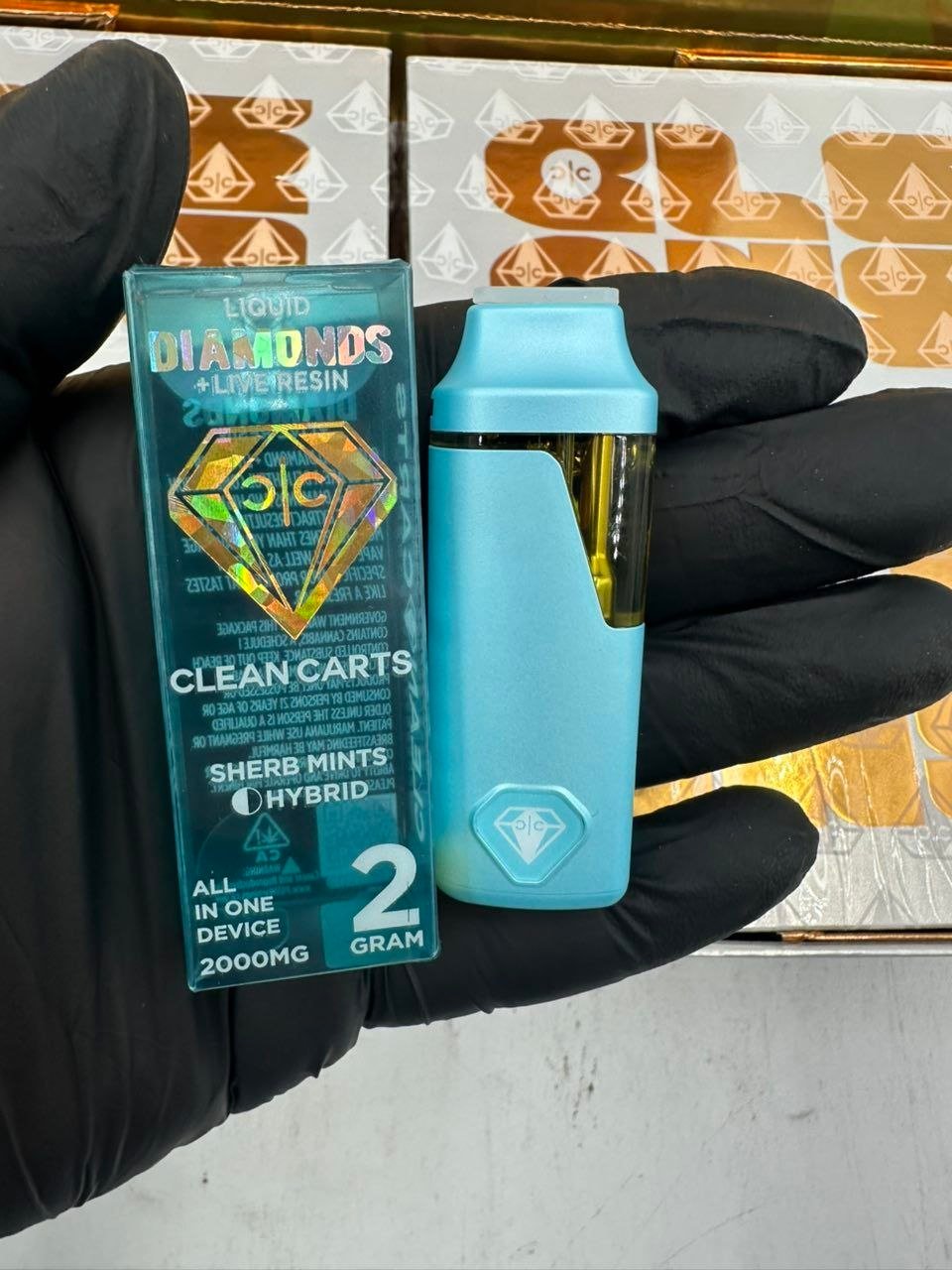
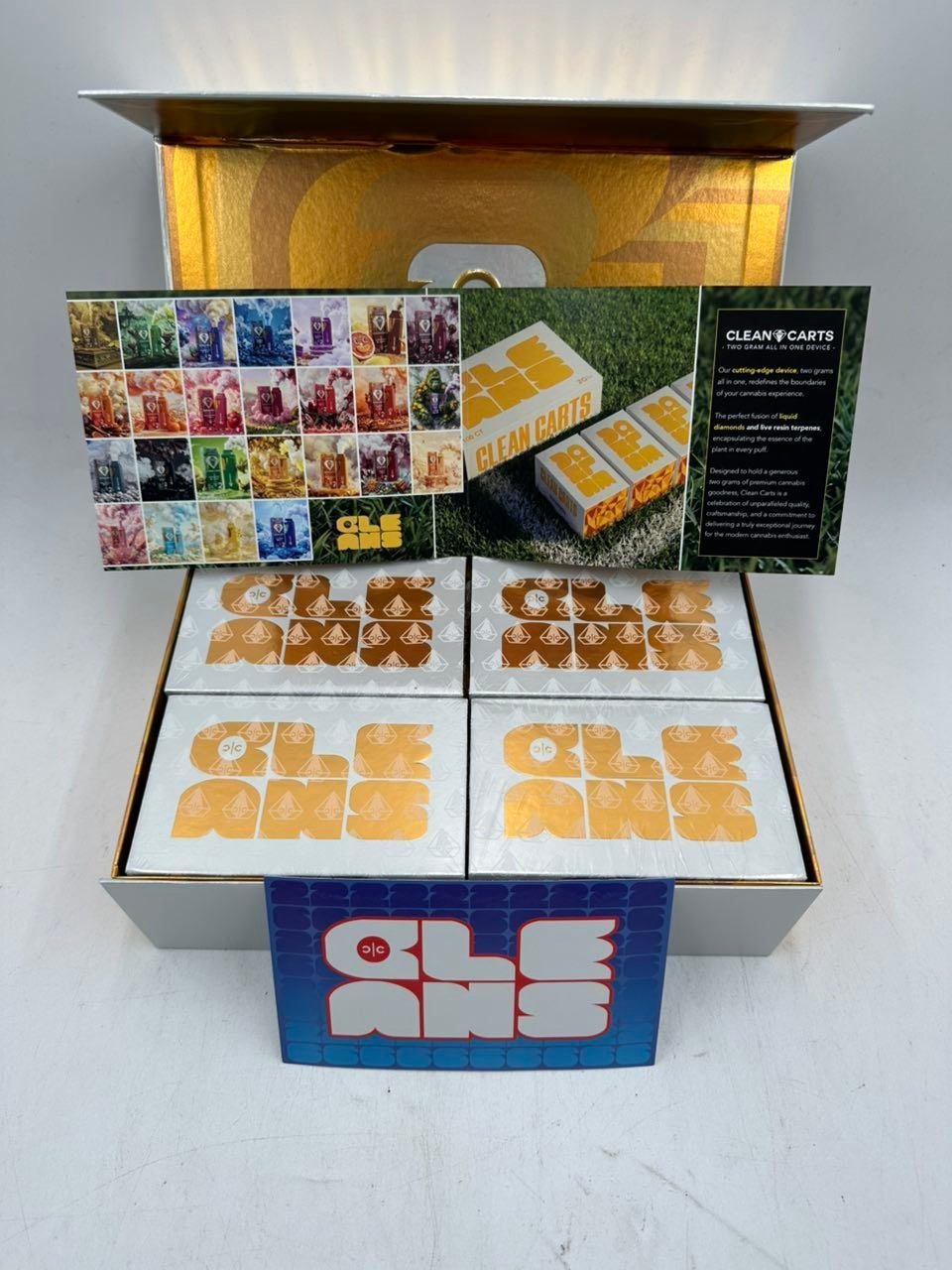
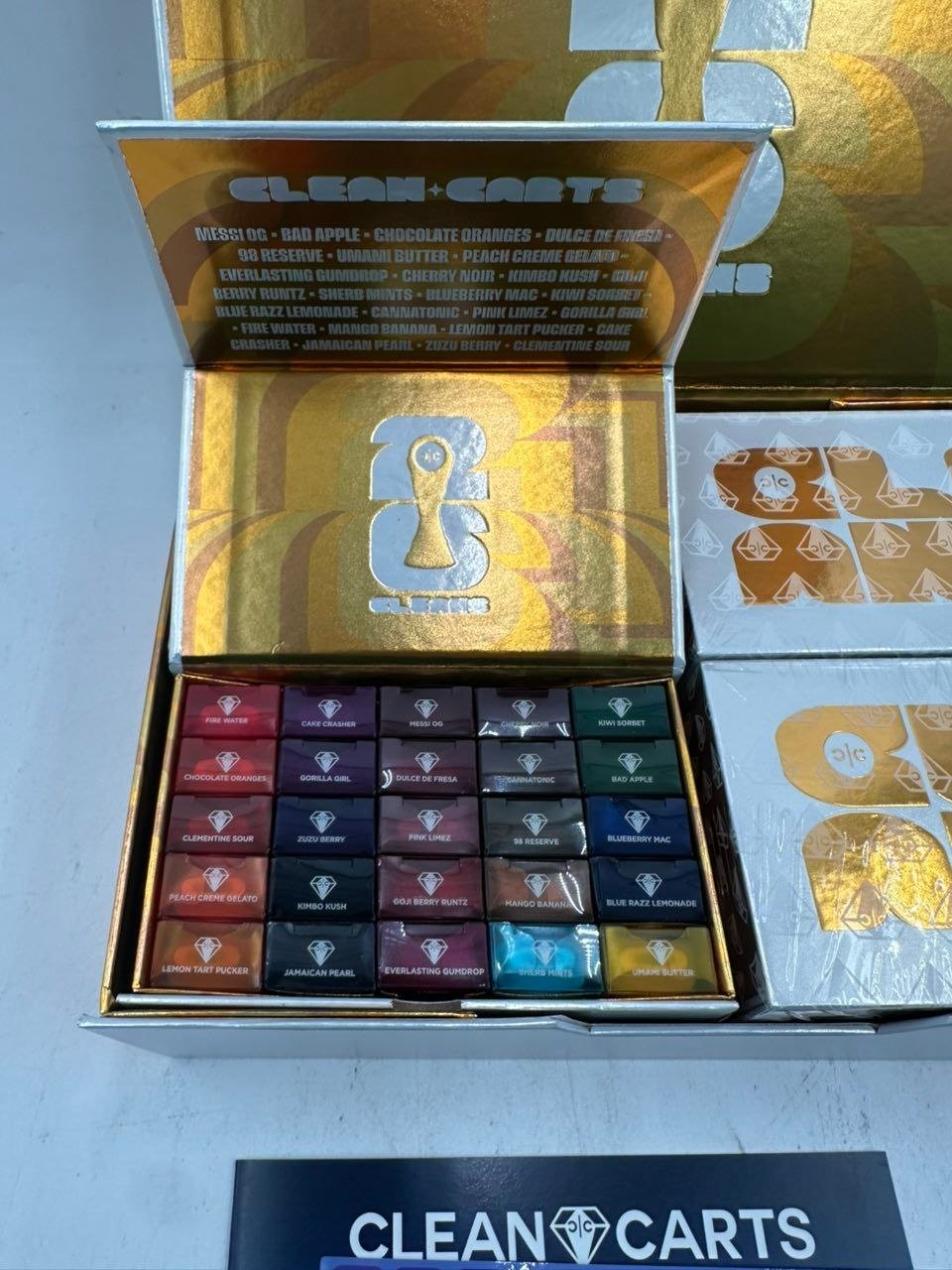

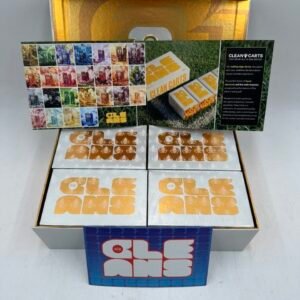
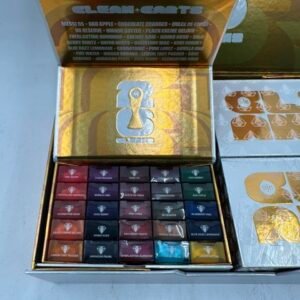

CLEAN CART SUMMER GOLD 2G DISPOSABLE


Price range: $30.00 through $1,300.00
Clean Cart Summer Gold 2G Disposable is a compact, ready-to-use disposable device presented in a portable format. Its 2G designation refers to the stated capacity of the device, while the Summer Gold name identifies the particular product presentation.
Clean Cart Summer Gold 2G Disposable
Product Overview
Clean Cart Summer Gold 2G Disposable is a compact, ready-to-use disposable device presented in a portable format. Its 2G designation refers to the stated capacity of the device, while the Summer Gold name identifies the particular product presentation.
The disposable format combines the reservoir and battery into one self-contained unit. As a result, there is no separate tank or external battery included in the basic device design. The streamlined construction also gives the product a simple appearance that fits easily into a pocket, bag, or other small storage space.
Because product specifications can vary between batches and markets, details such as ingredients, hardware configuration, battery capacity, and formulation should be confirmed against the manufacturer’s packaging.
Summer Gold Edition
The Summer Gold name gives this version its distinct identity within the Clean Cart range. The presentation suggests a warm, seasonal theme, while the compact device keeps the overall design focused on portability.
Rather than relying on an elaborate external setup, the disposable format centers everything around one small device. The reservoir, heating component, and power source are integrated into the same unit. Therefore, the overall experience is considerably simpler than that of a reusable device with separate components.
Packaging and visual details may differ depending on the production run. For that reason, the physical product and its original labeling remain the most reliable sources for identifying the exact version.
2G Capacity
The 2G designation is one of the most noticeable specifications associated with this product. It identifies the stated amount of material contained in the device, although the exact formulation represented by that amount depends on the product’s labeling.
Capacity should not automatically be interpreted as a guarantee of a particular number of uses. Actual duration can vary considerably according to device characteristics, individual usage patterns, storage conditions, and other factors.
Consequently, the printed information on the package should take priority over generalized expectations about how long a disposable device may last.
Compact Device Design
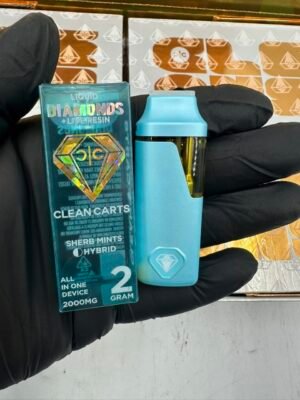
The compact construction is an important part of the product’s format. A disposable device does not require the collection of several separate pieces, which gives it a relatively straightforward physical design.
The exterior typically houses the internal reservoir, heating system, battery, and associated components. Meanwhile, the mouthpiece provides the point of contact during normal operation.
This integrated approach also means that the device is intended to function as a complete unit rather than as a collection of interchangeable parts. Once its usable contents or battery capacity has been exhausted, the entire disposable unit generally reaches the end of its intended service life.
Hardware and Construction
The internal construction of a disposable device involves several coordinated components. A power source supplies energy to the heating element, while the heating element interacts with the material held inside the reservoir.
Airflow and heating behavior depend on the particular hardware used by the manufacturer. Small differences in coil construction, airflow design, reservoir dimensions, and battery output can influence the way a disposable device functions.
For this reason, assumptions about hardware specifications should not replace the manufacturer’s stated information. If a particular technical specification is important, the original package or manufacturer’s documentation provides the appropriate reference.
Appearance and Portability
Clean Cart Summer Gold 2G Disposable uses the compact visual language commonly associated with disposable devices. Its small form factor makes it less cumbersome than larger multi-component systems.
The Summer Gold naming also separates this version from other product presentations that may use different names, graphics, or packaging themes.
Portability is therefore one of the central characteristics of the format. The device can be stored without requiring a separate tank, charger, or replacement cartridge in the basic disposable configuration.
At the same time, storage should follow the manufacturer’s instructions. Excessive heat, direct sunlight, moisture, or physical damage can affect electronic devices and their contents.
Product Identification
Correct product identification matters because disposable devices can have visually similar packaging. The product name, stated capacity, manufacturer information, batch information, and other markings should all be considered when identifying a specific unit.
The original packaging may also contain information concerning ingredients, warnings, age restrictions, disposal instructions, and applicable regulatory requirements.
Therefore, the label should remain the primary reference for the exact contents and specifications of a particular Clean Cart Summer Gold 2G Disposable.
Flavor and Formulation Information
The product name alone does not provide enough information to establish a complete ingredient profile. Formulation details can vary between products, markets, and manufacturing batches.
Any flavor description, active ingredient information, or other formulation detail should consequently come directly from the product’s packaging or verified manufacturer documentation.
This distinction is important because similar names can sometimes be used across different product categories. Clear labeling helps prevent confusion between products with related branding but different contents.
Disposable Format
Unlike reusable systems, a disposable device is built around a limited-use format. The main components remain together throughout the product’s intended life.
This creates a relatively simple physical arrangement. There is no expectation that the consumer will routinely replace an internal reservoir or install a separate cartridge.
The disposable approach also changes how the product reaches the end of its usable life. Depending on the exact design, either the available material, battery, or another internal component may determine when the device can no longer function as intended.
Local disposal requirements should be followed because electronic components should not automatically be treated in the same way as ordinary household waste.
Storage Considerations
Appropriate storage can help protect the physical condition of a disposable electronic device. A cool, dry location away from direct sunlight is generally preferable for products of this type, subject to the manufacturer’s specific storage instructions.
Extreme temperatures can affect batteries and other internal components. Physical pressure, punctures, or exposure to moisture can also create problems for electronic hardware.
The original packaging may provide additional storage information. Those instructions should take precedence whenever they differ from general guidance.
Packaging Details
Packaging serves several purposes beyond presentation. It can identify the product, provide capacity information, communicate warnings, and display manufacturer or batch details.
Depending on the market, packaging may also contain regulatory information or verification features. These details can be particularly useful when distinguishing an authentic product from an item with similar visual characteristics.
Because packaging designs can change over time, the exact appearance of a Summer Gold package may vary according to production date and market.
Product Consistency
Consistency can depend on several factors, including manufacturing processes, hardware construction, formulation, storage, and production batches.
Two products carrying similar names should not automatically be assumed to have identical specifications unless the labeling confirms that they do.
For accurate product information, the specific unit and its accompanying packaging provide the strongest reference point.
Responsible Product Information
Disposable products containing regulated substances may be subject to age restrictions, possession rules, advertising requirements, and other laws that vary by location.
The legal status of a particular product should therefore be determined according to the regulations applicable where the product is possessed or used. Product labels and local regulatory guidance can provide important information.
Consumers should also review all warnings supplied with the device before use and keep regulated products away from children and individuals for whom they are not intended.
Clean Cart Summer Gold 2G Disposable is a compact, integrated disposable device identified by its 2G capacity designation and Summer Gold product name. Its design brings the primary internal components together in a single portable format.
The product’s key identifying characteristics include its disposable construction, stated 2G capacity, compact physical design, and Summer Gold presentation. Exact formulation, hardware specifications, ingredients, and other technical details should be verified through the manufacturer’s labeling because these details can differ between versions and markets.
Overall, the product is best understood through its specific packaging and verified specifications rather than assumptions based solely on its name or appearance.
Integrated Internal Structure
The Clean Cart Summer Gold 2G Disposable follows the integrated construction associated with modern disposable devices. Its primary components are contained within a single exterior body, creating a unified product rather than a collection of detachable parts.
Inside the housing, the battery provides the electrical energy required by the heating system. A reservoir holds the product material, while the airflow pathway connects the internal system with the mouthpiece. These components work together as one device.
Because the components are enclosed within the body, the exterior may appear relatively minimal. However, the compact shell accommodates several individual parts that are designed to function together.
The precise internal arrangement can vary according to manufacturing specifications. Therefore, technical assumptions should not be treated as confirmed specifications unless they appear on official product documentation.
Understanding the 2G Label
The “2G” designation is an important part of the product identity. It describes the stated quantity associated with the device, but the number itself does not describe every aspect of the product.
For example, capacity does not establish the exact lifespan of a disposable. Individual usage patterns, heating characteristics, airflow, battery performance, and formulation can all affect how long a particular unit remains usable.
Consequently, the 2G marking is best considered a product specification rather than a prediction of usage duration.
The exact meaning of the capacity should also be checked against the packaging, particularly when products are sold in different jurisdictions where labeling requirements may differ.
Exterior Presentation
The Summer Gold designation gives this particular version its own visual identity. Product presentation can include printed graphics, branding elements, labeling, and other design features intended to distinguish the unit from other versions.
However, packaging and exterior artwork can change during a product’s production history. Different markets may also receive different packaging.
For that reason, an image found online should not automatically be treated as an exact representation of every unit. The physical package and accompanying labeling remain more reliable for identification.
Portability and Form Factor
The small dimensions associated with disposable devices contribute to their portable nature. Since the main components are housed together, there is no requirement for a separate tank or external power unit in the basic design.
This also reduces the number of individual pieces associated with the product. A user handling the device generally encounters one complete unit rather than multiple components that need to be assembled.
Despite the compact exterior, the internal structure remains an electronic system. Consequently, ordinary precautions for battery-powered devices remain relevant.
Battery Considerations
A disposable device relies on an internal battery to supply power to its heating system. The battery is generally enclosed within the product housing and is not intended to be treated as a loose, replaceable component.
Battery behavior can vary depending on temperature, storage conditions, production characteristics, and the overall design of the device.
Damage to the exterior can also affect the safety of an electronic device. A unit that appears cracked, swollen, unusually hot, leaking, or otherwise damaged should not be treated as a normal functioning product.
Manufacturer instructions should be consulted whenever a device shows unusual physical or electrical behavior.
Airflow and Heating System

Airflow plays an important role in the operation of a disposable device. When the device detects the appropriate airflow, its electronic system can activate the heating component according to its design.
The exact activation mechanism varies between products. Some devices rely on draw-activated systems, while other designs may incorporate different electronic controls.
Likewise, heating characteristics can differ according to the internal coil, power output, airflow pathway, and material contained within the reservoir.
These technical differences explain why two disposable products with similar capacities can behave differently during normal operation.
Reservoir Construction
The reservoir is the portion of the device that contains its material. Its dimensions and internal construction are determined by the manufacturer’s hardware design.
A sealed reservoir also helps keep the contents contained within the device during ordinary handling. Nevertheless, physical damage, manufacturing defects, or improper storage can affect the integrity of the housing.
Visible leakage should therefore be treated as a sign that the device may no longer be in its intended condition.
Mouthpiece Design
The mouthpiece provides the external connection between the internal airflow pathway and the user. Its shape and dimensions can vary between manufacturers and product lines.
Since the mouthpiece forms part of the device’s external structure, keeping it protected from dirt, moisture, and physical damage can help preserve its condition.
The mouthpiece should also remain intact. Any cracking, deformation, or separation from the main housing can indicate physical damage.
Manufacturing Variation
Every manufactured electronic product can experience variation between production batches. Disposable devices are no exception.
Differences may occur in exterior graphics, packaging, hardware revisions, labeling, or other manufacturing details. Such variation does not necessarily mean that two products belong to completely different product lines.
Batch information can help identify a particular production run. When available, this information can be useful when contacting a manufacturer or verifying product details.
Authenticity and Verification
Product verification is particularly important when multiple products share similar names or packaging styles.
The original package may contain a serial number, batch code, authentication marking, QR code, or other identifying feature. Whether any particular verification system exists depends on the manufacturer and product version.
A product should not be considered authentic solely because its exterior resembles photographs found online.
Where an official verification method is provided, the information should be checked through the appropriate manufacturer-supported channel.
Label Information
Product labels can contain substantially more information than the product name alone. Depending on the jurisdiction and product category, packaging may identify the manufacturer, stated quantity, ingredients, warnings, batch information, and other required details.
Reading the entire label is therefore important when evaluating a particular unit.
The label can also clarify whether the product is intended for a specific market or subject to particular restrictions. Requirements may differ considerably from one location to another.
Storage Environment
Environmental conditions can influence electronic products. High temperatures, excessive humidity, prolonged sunlight, and physical pressure may affect a disposable device.
A stable storage environment can help reduce unnecessary exposure to these conditions. The manufacturer’s storage instructions should always take precedence when specific recommendations are provided.
The device should also remain away from children and pets. Its small components and battery make unsuitable handling particularly concerning.
Transportation Considerations
Portable electronic products can experience additional stress while being transported. Crushing, dropping, excessive heat, or prolonged exposure to unsuitable environments may affect the device.
Keeping the product in its original packaging can provide some physical separation from surrounding objects. However, packaging should not be considered a substitute for following the manufacturer’s transportation and storage guidance.
Damaged packaging should also be examined carefully before the product is handled.
End-of-Life Characteristics
A disposable device eventually reaches the end of its intended service period. Depending on its construction, this can occur when the internal material has been depleted, the battery can no longer provide sufficient power, or another component reaches its functional limit.
Once the device has reached this stage, it should not be modified or dismantled.
Electronic waste can contain components that require different handling from ordinary household rubbish. Local recycling and disposal requirements therefore provide the appropriate framework for getting rid of the product.
Regulatory Differences
Rules surrounding disposable products can differ according to country, state, province, or municipality. Requirements may cover age restrictions, labeling, ingredients, packaging, possession, sale, and disposal.
For that reason, information printed on a package for one market may not apply identically to another market.
The applicable local regulations should always be considered alongside the manufacturer’s information when determining the status or permitted handling of a particular product.
Product Information at a Glance
The Clean Cart Summer Gold 2G Disposable can be identified through several core characteristics:
- Product line: Clean Cart
- Edition name: Summer Gold
- Stated capacity: 2G
- Format: Disposable electronic device
- Construction: Integrated housing
- Internal system: Reservoir, heating components, battery, and airflow pathway
- Packaging: Subject to market and production variation
- Technical specifications: Should be confirmed through product labeling
- Disposal: Subject to applicable local requirements
These characteristics provide a general identification framework without assuming specifications that may differ between production versions.
Closing Product Perspective
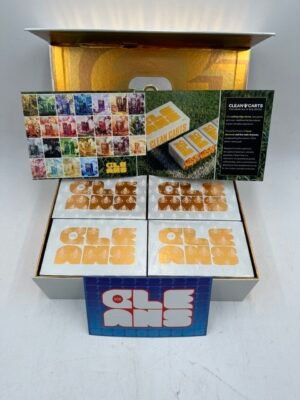
Clean Cart Summer Gold 2G Disposable represents a compact disposable format built around an integrated electronic design. Its 2G designation identifies the stated capacity, while the Summer Gold name distinguishes the particular product presentation.
Its internal components are designed to operate together inside one housing, creating a simplified physical format. At the same time, the device contains electronic and material components that require appropriate storage, handling, and disposal.
Specific details such as formulation, ingredients, battery specifications, heating technology, airflow configuration, and manufacturing information should be taken from the individual product’s packaging or verified manufacturer documentation.
That approach provides the clearest picture of the particular unit because product specifications and packaging can change across batches and markets.
Be the first to review “CLEAN CART SUMMER GOLD 2G DISPOSABLE”
Related products
THC DISPOSABLE

THC DISPOSABLE
THC DISPOSABLE

THC DISPOSABLE


THC DISPOSABLE

THC DISPOSABLE
THC DISPOSABLE

THC DISPOSABLE
Reviews
There are no reviews yet.