
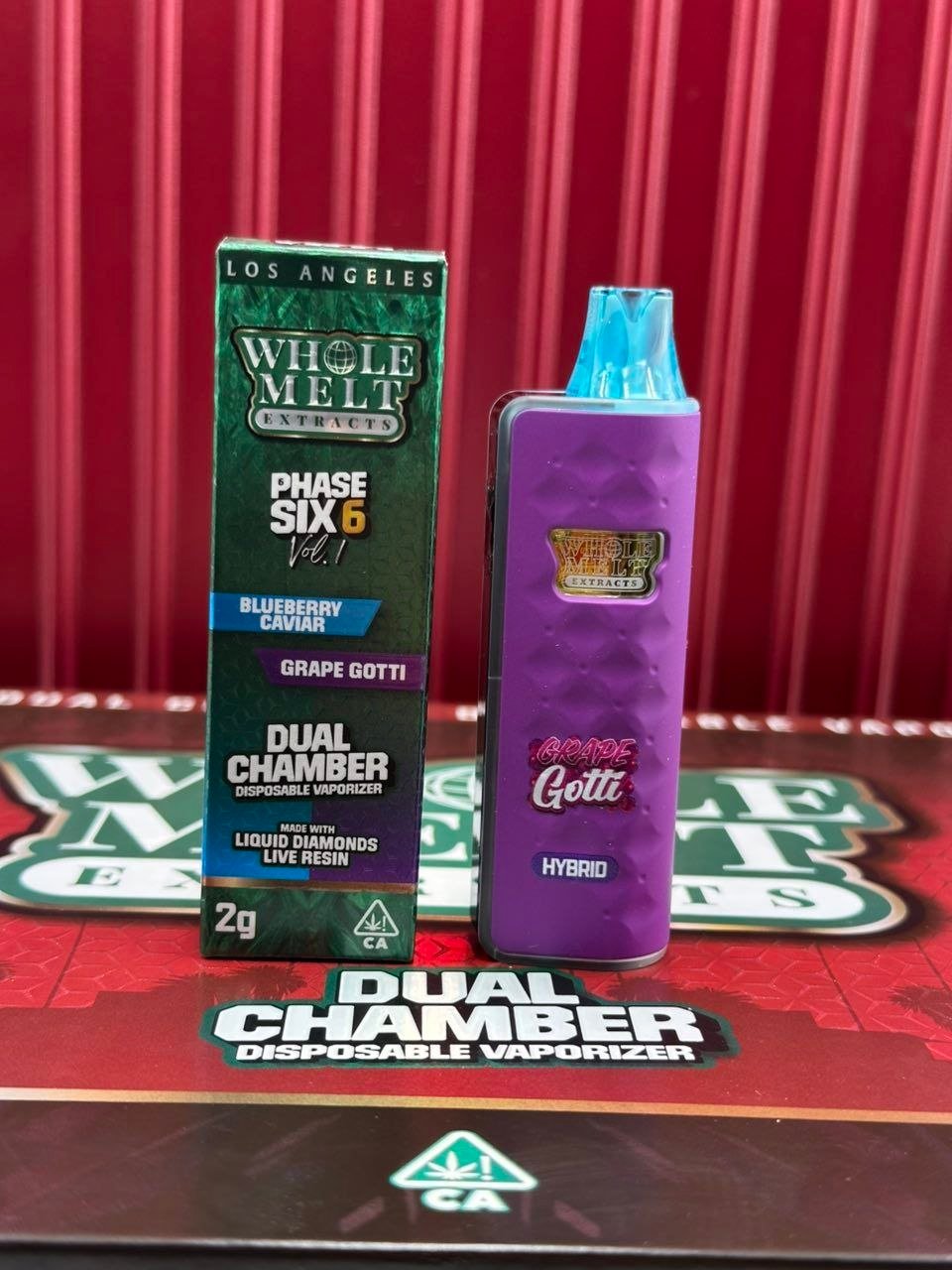


WHOLE MELT EXTRACTS PHASE SIX V1 2G DISPOSABLE
Price range: $30.00 through $1,300.00
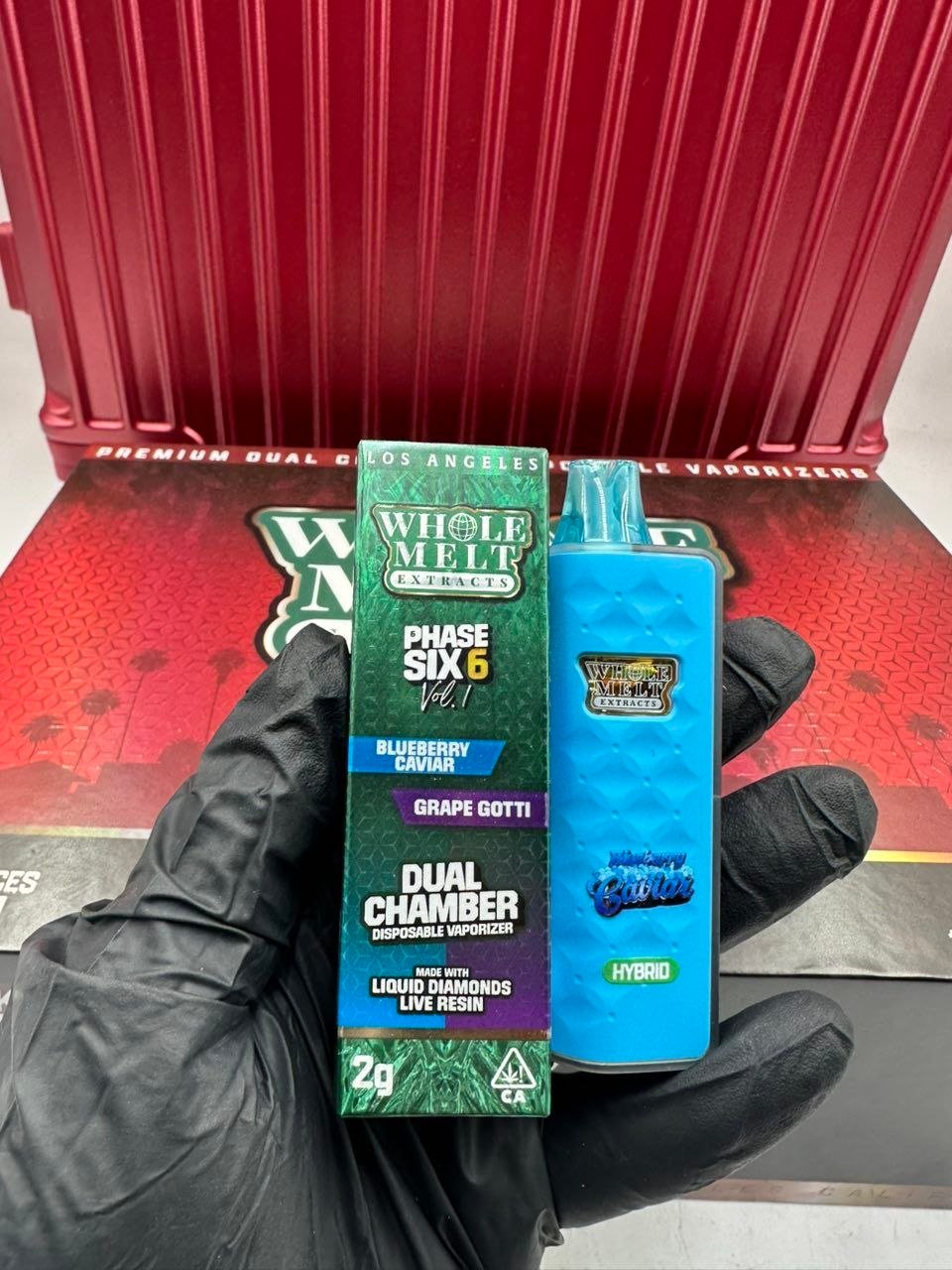
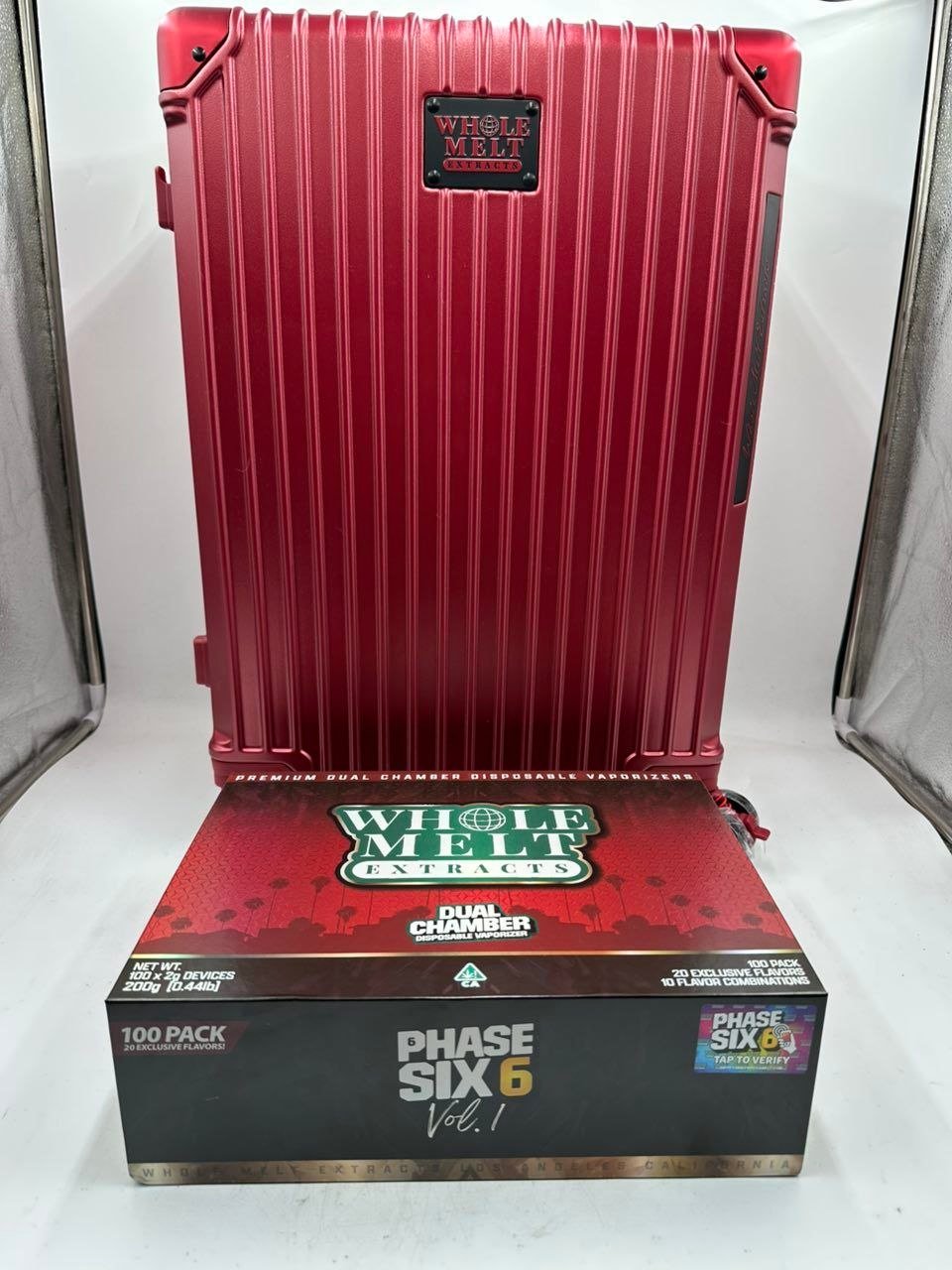
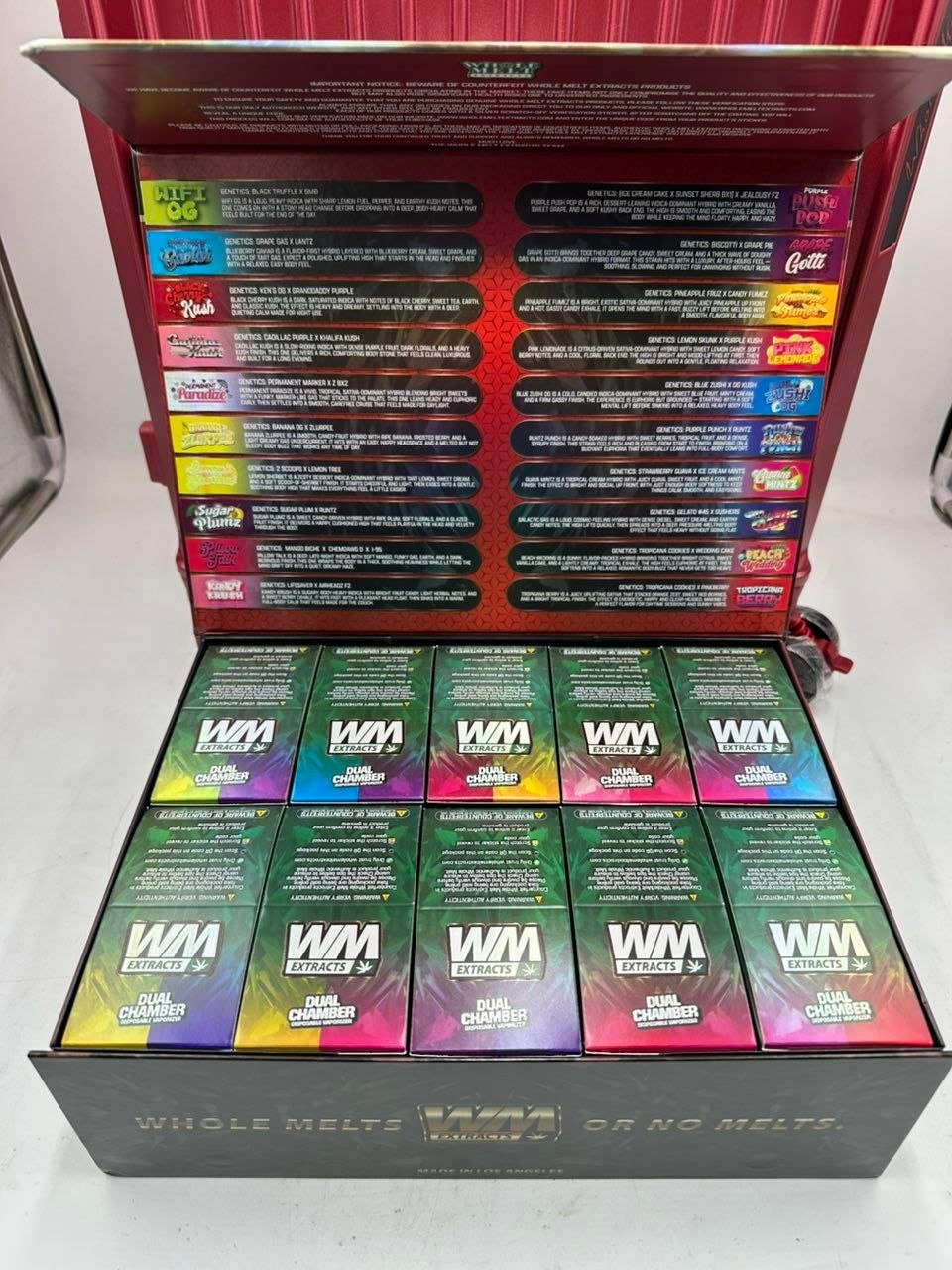
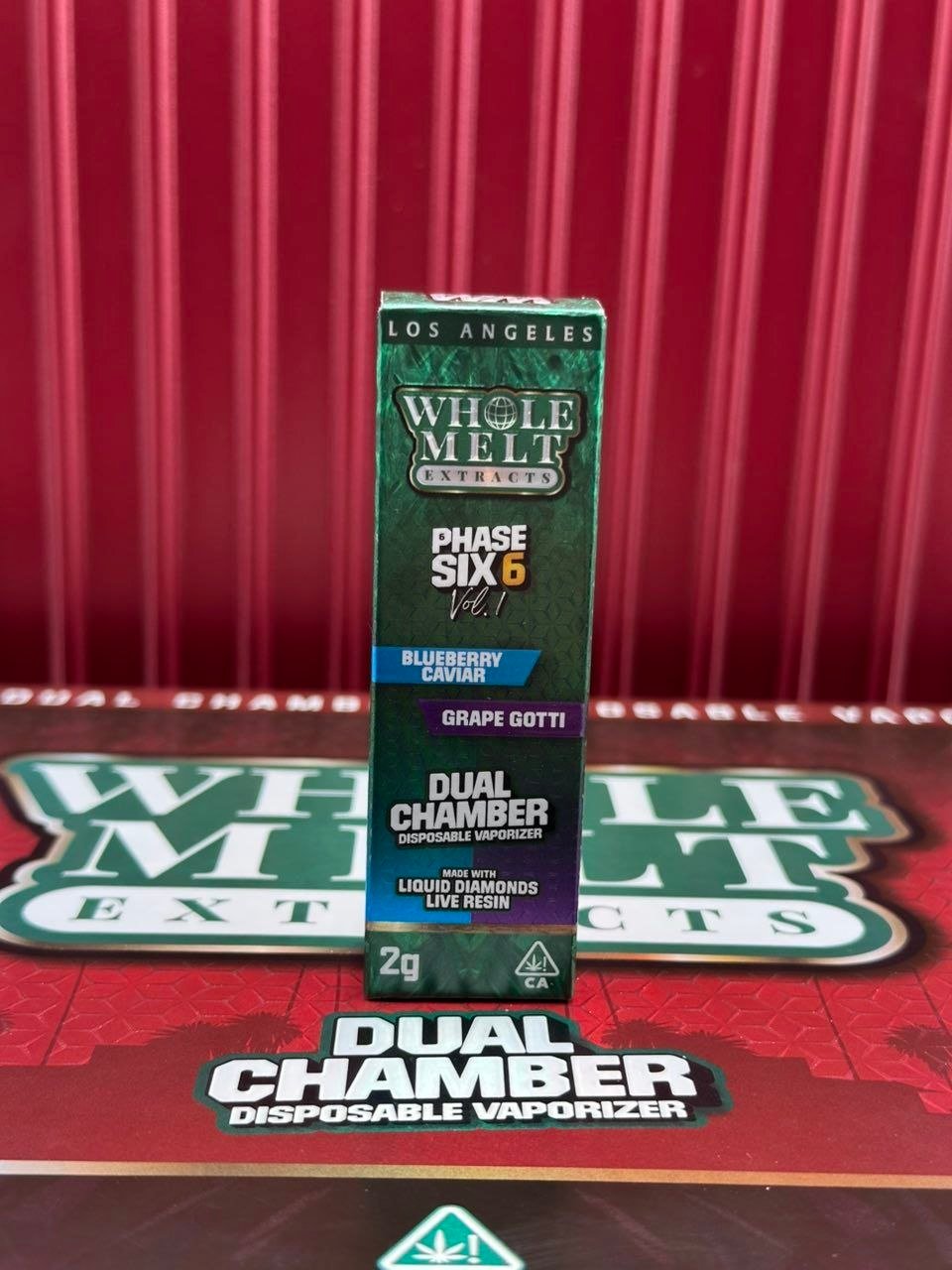
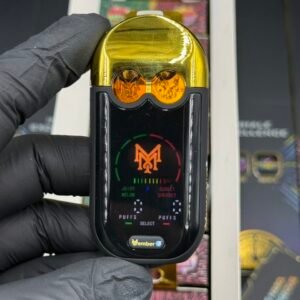
The Whole Melt Phase Six V1 2G Disposable is a compact, pre-filled disposable vape product associated with the Whole Melt brand. Its name identifies the Phase Six V1 series and indicates a stated 2-gram capacity. The disposable format combines the cartridge and battery into a single portable unit, creating a simple product design without the need for a separate reusable battery.
Whole Melt Phase Six V1 2G Disposable
Product Overview
The Whole Melt Phase Six V1 2G Disposable is a compact, pre-filled disposable vape product associated with the Whole Melt brand. Its name identifies the Phase Six V1 series and indicates a stated 2-gram capacity. The disposable format combines the cartridge and battery into a single portable unit, creating a simple product design without the need for a separate reusable battery.
The device is designed around convenience and portability. Because the battery and oil chamber are integrated, the overall format remains relatively compact compared with larger multi-component vape systems. The exact contents, cannabinoid profile, ingredients, and hardware specifications can vary depending on the particular production batch and market.
Understanding the 2G Format
The 2G designation generally refers to the amount of extract or oil contained in the device. This does not necessarily describe the amount of a particular cannabinoid. For example, a stated two-gram capacity should not automatically be interpreted as two grams of THC.
Actual cannabinoid concentration depends on the formulation and laboratory results associated with the specific product. Therefore, packaging information and an applicable certificate of analysis provide more reliable information than the product name alone.
The larger stated capacity can also affect how long a device lasts, although individual use patterns vary considerably. Factors such as inhalation length, frequency, device performance, and oil viscosity can influence consumption.
Phase Six V1 Design
The Phase Six V1 name distinguishes this particular version within the product line. Version designations can refer to changes in hardware, formulation, packaging, or production batches. Without manufacturer documentation for a specific unit, however, the name alone does not establish a precise technical specification.
The disposable construction typically places the mouthpiece, heating element, oil chamber, and battery within one integrated body. This approach reduces the number of separate components that the user has to handle.
A compact body can also make storage and transportation easier. At the same time, disposable hardware should be kept away from excessive heat, moisture, and physical damage because environmental conditions can affect both the battery and the contents.
Hardware and Function
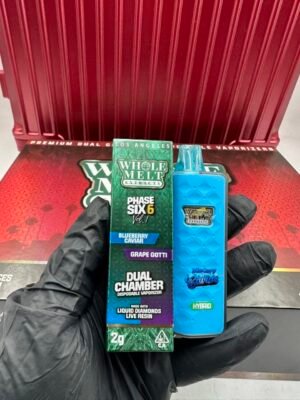
A disposable vape operates by using a battery to power a heating element. When activated, the heating element raises the temperature of the material in the chamber and produces an aerosol for inhalation.
Different disposable devices use different activation systems. Some rely on an automatic draw sensor, while others incorporate buttons or additional controls. The exact mechanism of a particular Phase Six V1 unit should be determined from its packaging or manufacturer information rather than assumed from the product name.
Battery performance can also differ between production versions. As a result, specifications such as battery capacity, charging method, heating technology, and activation style should be confirmed from the physical device and its accompanying documentation.
Oil and Cannabinoid Information
The material inside a cannabis disposable can contain cannabinoids and other compounds depending on its formulation. THC, CBD, minor cannabinoids, terpenes, and other components may be present in different proportions.
The product name does not provide enough information to establish the exact cannabinoid content. Laboratory testing is the appropriate source for determining potency and composition.
For regulated products, a certificate of analysis can provide information such as cannabinoid percentages, contaminant screening, batch identification, and testing dates. Those details are particularly useful because formulations can change between batches.
Flavor and Aroma Characteristics
Cannabis-derived products can have different aromatic characteristics depending on the source material and formulation. Terpenes are among the compounds that contribute to aroma and flavor.
Descriptions such as citrus, fruit, earth, pine, floral notes, or sweetness are often used to describe terpene profiles. However, a particular flavor description should only be associated with the Phase Six V1 product when it is supported by manufacturer information or laboratory documentation.
Flavor can also be perceived differently from person to person. Hardware temperature, airflow, storage conditions, and the age of the product may influence the overall sensory experience.
Disposable Construction
The integrated design is one of the defining characteristics of a disposable vape. Instead of requiring a separate battery and cartridge, the complete unit is supplied as one device.
This construction can reduce setup requirements. It also means that the device is treated differently from a reusable vape system because its battery and internal components are generally intended to remain together.
The condition of the mouthpiece and exterior can provide useful information about handling and storage. Packaging should remain intact when possible, particularly for regulated products where labeling and batch information may be needed to verify authenticity.
Packaging and Identification
Packaging is important for identifying a regulated cannabis product. Information may include the product name, stated quantity, cannabinoid content, batch or lot number, manufacturing information, testing details, warnings, and applicable legal labeling.
The exact requirements vary by jurisdiction. Therefore, packaging standards in one region should not automatically be treated as applicable everywhere.
A legitimate product should have labeling that corresponds with the applicable regulations in the market where it is distributed. When laboratory information is available, the batch number can help connect the physical product with its corresponding test results.
Product Consistency
Consistency can depend on several factors, including manufacturing processes, formulation, storage, and the age of the product. A product from one batch may not have exactly the same characteristics as another batch.
For this reason, broad claims about potency, flavor, performance, or composition should be supported by documentation specific to the unit or batch being described.
Laboratory testing is particularly relevant when determining cannabinoid concentrations. It can also provide information about certain contaminants and other quality-control measures, depending on the testing requirements in the applicable jurisdiction.
Storage Considerations
Storage conditions can influence the condition of both cannabis extracts and electronic hardware. Excessive heat can affect batteries and may also change the physical characteristics of oils. Excessive moisture can affect packaging and external components.
A cool, dry environment away from direct sunlight is generally appropriate for many cannabis products, while the manufacturer’s storage instructions should take precedence when available.
The device should also be kept away from children and pets. Cannabis products and lithium-ion batteries both require appropriate handling and storage.
Battery Characteristics
The battery is an essential part of a disposable vape because it supplies power to the heating element. Battery performance can gradually change as the device is used.
Temperature can also influence battery behavior. Extremely hot or cold conditions may affect performance and, in some circumstances, battery safety.
Any charging instructions printed on the device or packaging should be followed exactly. If a disposable model is not designed to be recharged, attempting to modify or recharge it can create unnecessary risks.
Responsible Product Information
Cannabis products can affect people differently. Individual responses may depend on cannabinoid concentration, previous exposure, metabolism, and other factors.
THC-containing products can impair attention, reaction time, coordination, and judgment. Consequently, cannabis use and activities such as driving or operating machinery should not be combined.
Legal age requirements and possession or use restrictions also vary by jurisdiction. A product that is permitted in one location may be restricted or prohibited elsewhere.
Authenticity and Verification
Product verification is particularly important for cannabis products because packaging alone does not establish authenticity. Batch information, manufacturer documentation, regulated labeling, and laboratory testing can provide additional evidence.
A certificate of analysis should correspond with the relevant product or batch when such documentation is provided. Differences between packaging information and laboratory information can be a reason to seek clarification from the manufacturer or authorized source.
Visual appearance can sometimes change naturally between batches, so appearance alone is not a reliable method for establishing authenticity or quality.
What the 2G Label Does Not Tell You
The phrase “2G” describes stated quantity, but it does not independently establish potency, effects, purity, or duration of use.
Two products with the same stated quantity can contain very different cannabinoid concentrations. Likewise, two devices with similar capacity can have different hardware characteristics.
Therefore, quantity should be considered alongside the cannabinoid profile, laboratory results, manufacturing information, and applicable labeling.
The Whole Melt Phase Six V1 2G Disposable can be described as an integrated disposable vape format with a stated two-gram capacity and a product identity associated with the Phase Six V1 series.
Its main physical characteristics come from the disposable design: a built-in battery, integrated oil chamber, heating system, and mouthpiece contained within one unit. Exact technical specifications, cannabinoid composition, and flavor characteristics should be confirmed through the packaging and documentation associated with the specific product.
For accurate product identification, batch-specific information remains more useful than broad assumptions based solely on the product name. This is especially important for cannabinoid products, where formulations and regulations can differ by location and production batch.
Material Quality and Batch Differences
The characteristics of a disposable product can vary from one production batch to another. Changes in extract composition, terpene formulation, hardware components, or manufacturing processes may affect the final product.
For that reason, a description based on one unit should not automatically be treated as a specification for every Phase Six V1 device. Batch-specific labeling provides a more accurate reference for quantity, cannabinoid concentration, and testing information.
This distinction is especially important when comparing products that carry similar names. A familiar product title may remain unchanged while packaging, hardware, or formulation details are updated over time.
Hardware Appearance
The physical appearance of a disposable can provide basic information about its construction. A typical integrated device includes a mouthpiece at one end, an internal reservoir, a heating component, and a battery housed within the body.
External design elements may include printed branding, a product name, batch information, or other identifying details. These features can change between editions or manufacturing periods.
Appearance alone, however, does not establish the contents of a device. A visual inspection cannot reliably determine cannabinoid concentration, purity, or laboratory-tested quality.
Airflow and Draw Characteristics
Airflow is an important part of disposable vape hardware because it affects how air moves through the device during use. Different designs can produce different draw characteristics depending on the internal airflow path and heating system.
A tighter airflow can feel different from a more open design. Likewise, the length and frequency of inhalation can influence how much material reaches the heating chamber during each use.
Because these characteristics depend on the specific hardware, general descriptions should not be treated as guaranteed specifications unless they are provided by the manufacturer.
Heating Technology
The heating element is responsible for converting the material in the reservoir into an inhalable aerosol. Its performance can depend on electrical power, coil construction, oil viscosity, airflow, and the internal design of the device.
Temperature management can also influence the resulting vapor characteristics. Excessive heat may affect flavor and material consistency, while insufficient heating can affect vapor production.
The exact heating technology used by a particular Phase Six V1 unit should therefore be confirmed through official technical information rather than inferred from its appearance.
Reservoir Capacity
A stated 2G capacity indicates the amount of material represented by the product’s labeling. However, the capacity should not be confused with the total amount of active cannabinoid.
For example, an extract may contain a mixture of cannabinoids and other components. The proportion of THC or another cannabinoid is a separate measurement from the total weight of the material.
This distinction makes the product label especially important. Quantity, potency, ingredients, and testing information each describe different aspects of the product.
Laboratory Testing
Laboratory testing can provide information that cannot be established through appearance or packaging alone. Depending on local regulations, testing may cover cannabinoid concentration as well as selected contaminants.
A certificate of analysis may identify the tested batch and provide measured results. These records can be useful when evaluating whether the information on a package corresponds with laboratory findings.
Testing requirements differ across jurisdictions. Consequently, the absence or presence of a particular testing category should be considered within the rules governing the relevant market.
Cannabinoid Concentration
Cannabinoid concentration describes the amount or percentage of specific cannabinoids within the product. THC and CBD are two commonly recognized cannabinoids, although cannabis extracts can contain additional compounds.
A product labeled with a particular cannabinoid concentration should be distinguished from a product’s total material weight. A two-gram product does not automatically contain two grams of THC.
The most accurate information comes from the product label and corresponding laboratory documentation when available.
Terpene Composition
Terpenes are naturally occurring aromatic compounds found in cannabis and many other plants. They can contribute to the aroma and flavor characteristics associated with an extract.
Different terpene combinations can produce different sensory profiles. Citrus, herbal, floral, earthy, pine-like, and fruit-associated notes are examples of descriptions that may appear in cannabis product information.
However, the specific terpene profile of a Phase Six V1 product should be based on documented information for the relevant formulation rather than assumptions about the product line.
Portable Format
One reason disposable hardware is widely recognized is its compact construction. The battery, reservoir, heating mechanism, and mouthpiece are contained within one device.
This reduces the number of separate components associated with a traditional cartridge-and-battery setup. At the same time, integrated hardware means that individual internal components generally cannot be treated as interchangeable parts.
Portability can also make storage more convenient, although appropriate storage conditions remain important for maintaining the condition of the product.
Product Handling
Proper handling helps preserve the physical condition of a disposable device. Rough handling can damage the exterior, mouthpiece, or internal electronic components.
Heat exposure deserves particular attention because both cannabis extracts and lithium-ion batteries can be affected by elevated temperatures.
The product should remain in appropriate packaging whenever possible. This also helps preserve identifying information such as batch numbers, labels, and manufacturer details.
Safety Information
Cannabis products containing THC can cause psychoactive effects and may impair reaction time, coordination, attention, and judgment. Individual responses can vary considerably.
Because of these effects, cannabis use should not be combined with driving or other activities that require full attention and coordination.
Cannabis products should also be kept away from children and animals. Accidental exposure can produce serious effects, particularly in children and pets.
Legal Considerations
Cannabis regulations differ substantially between countries, states, provinces, and municipalities. Rules can cover possession, purchase, distribution, advertising, age requirements, transportation, and permitted product forms.
A product description therefore does not establish whether a particular product is legal in a particular location. Local laws and applicable regulatory requirements remain the relevant authority.
Packaging requirements can also differ by jurisdiction. Information required in one regulated market may not be required in another.
Comparing Product Information
When comparing disposable products, several characteristics can be considered separately. These include stated quantity, cannabinoid concentration, terpene information, hardware design, battery specifications, laboratory testing, packaging, and manufacturing details.
Looking at these categories individually provides a clearer understanding than relying on the product name alone.
For example, two devices may both carry a 2G designation while differing in cannabinoid concentration or hardware construction. Similarly, two products with similar hardware can contain different formulations.
Product Identification Details
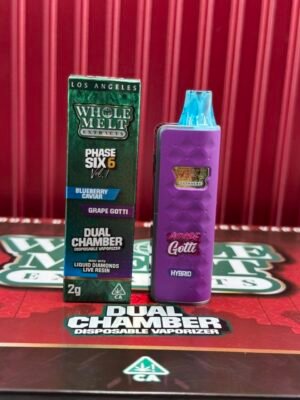
Accurate identification is particularly useful when a product is available in multiple versions. The product name can be combined with information such as the version number, batch number, packaging date, and manufacturer details.
The Phase Six V1 designation helps distinguish the product from other versions within a broader product family. Nevertheless, batch-level information remains important when precise characteristics are required.
Packaging can also contain regulatory information that helps establish the intended market and applicable testing requirements.
Storage and Product Condition
Storage conditions can influence the condition of a disposable over time. Prolonged exposure to heat, direct sunlight, moisture, or significant temperature changes may affect the product.
The extract may change in physical consistency under different temperatures. Electronic components can also be affected by environmental conditions.
A stable, dry storage environment is generally preferable, while manufacturer-provided storage instructions should take priority when they are available.
End-of-Life Considerations
A disposable device eventually reaches the end of its usable life. Depending on the hardware design, this can occur when the material is depleted, the battery no longer provides sufficient power, or another component stops functioning.
Electronic disposables should not be opened or dismantled casually. The internal battery and electronic components require appropriate disposal practices.
Local waste-management rules should be considered because lithium-ion batteries and electronic components may require separate handling from ordinary household waste.
A Closer Look at the Product Format
The Whole Melt Phase Six V1 2G Disposable represents a product format built around integration and portability. Its defining characteristics include the stated two-gram capacity and an all-in-one electronic design.
Rather than separating the cartridge from the battery, the disposable format places the major operating components within one body. This creates a straightforward physical design while also limiting the ability to replace individual components.
The product’s exact performance and composition remain dependent on the particular unit and production batch.
Final Product Summary
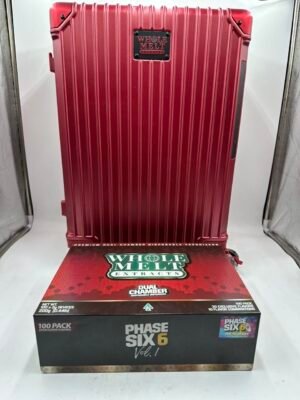
The Whole Melt Phase Six V1 2G Disposable is an integrated disposable vape product identified by its Phase Six V1 designation and stated two-gram capacity.
Its design combines the reservoir, heating system, battery, and mouthpiece into a single portable unit. The 2G designation describes stated material quantity rather than automatically indicating cannabinoid potency.
Specific information about cannabinoids, terpenes, ingredients, hardware, testing, and batch characteristics should be taken from the packaging and documentation associated with the individual product.
Because cannabis regulations and product formulations can vary by location and batch, current labeling and applicable local requirements remain important references. A clear understanding of those details provides a more accurate picture of what a particular Whole Melt Phase Six V1 2G Disposable contains and how its physical design is structured.
Be the first to review “WHOLE MELT EXTRACTS PHASE SIX V1 2G DISPOSABLE”
Related products
THC DISPOSABLE
THC DISPOSABLE

THC DISPOSABLE
THC DISPOSABLE

THC DISPOSABLE

THC DISPOSABLE
THC DISPOSABLE

THC DISPOSABLE
2 reviews for WHOLE MELT EXTRACTS PHASE SIX V1 2G DISPOSABLE
There are no reviews yet.