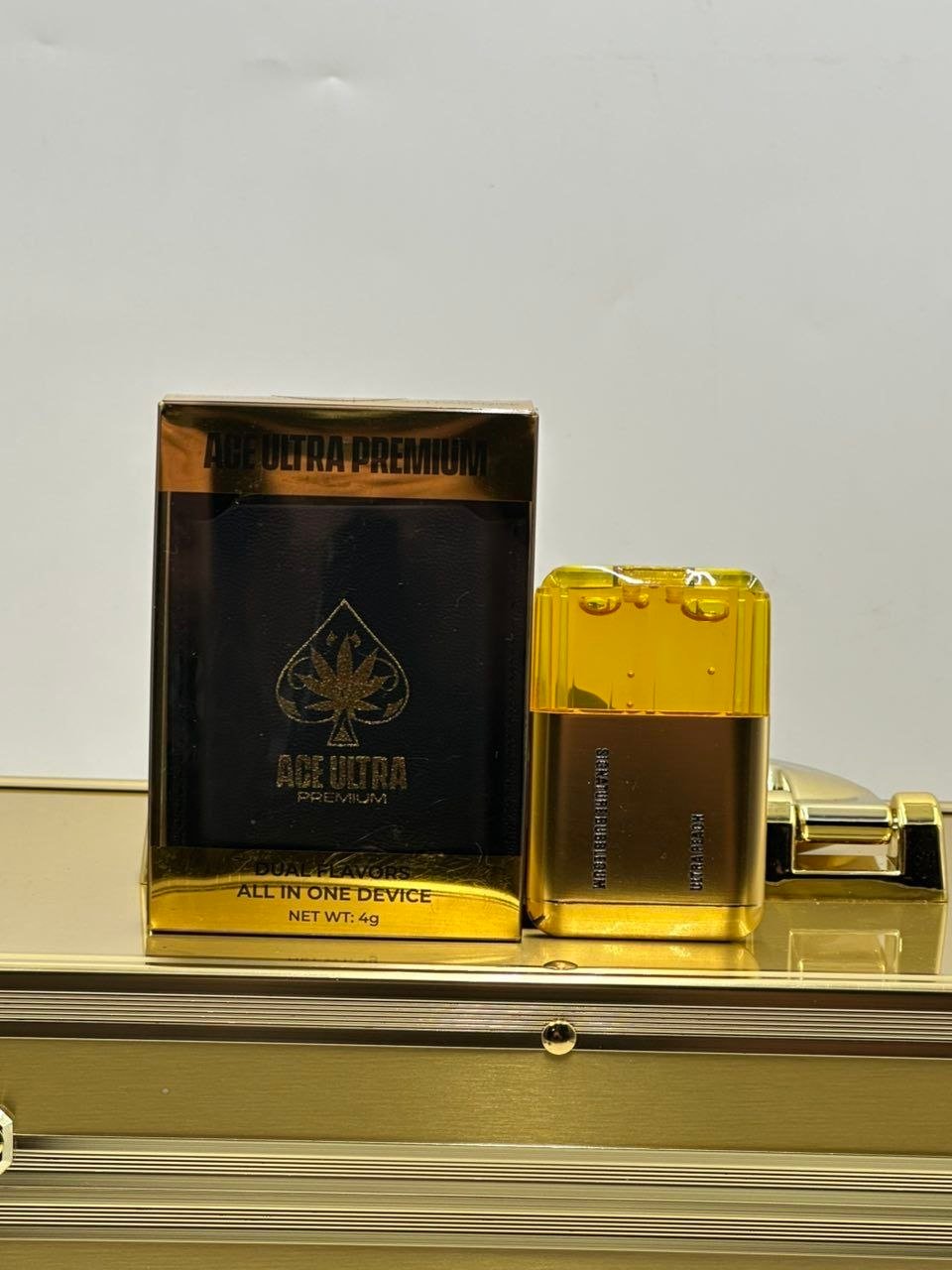
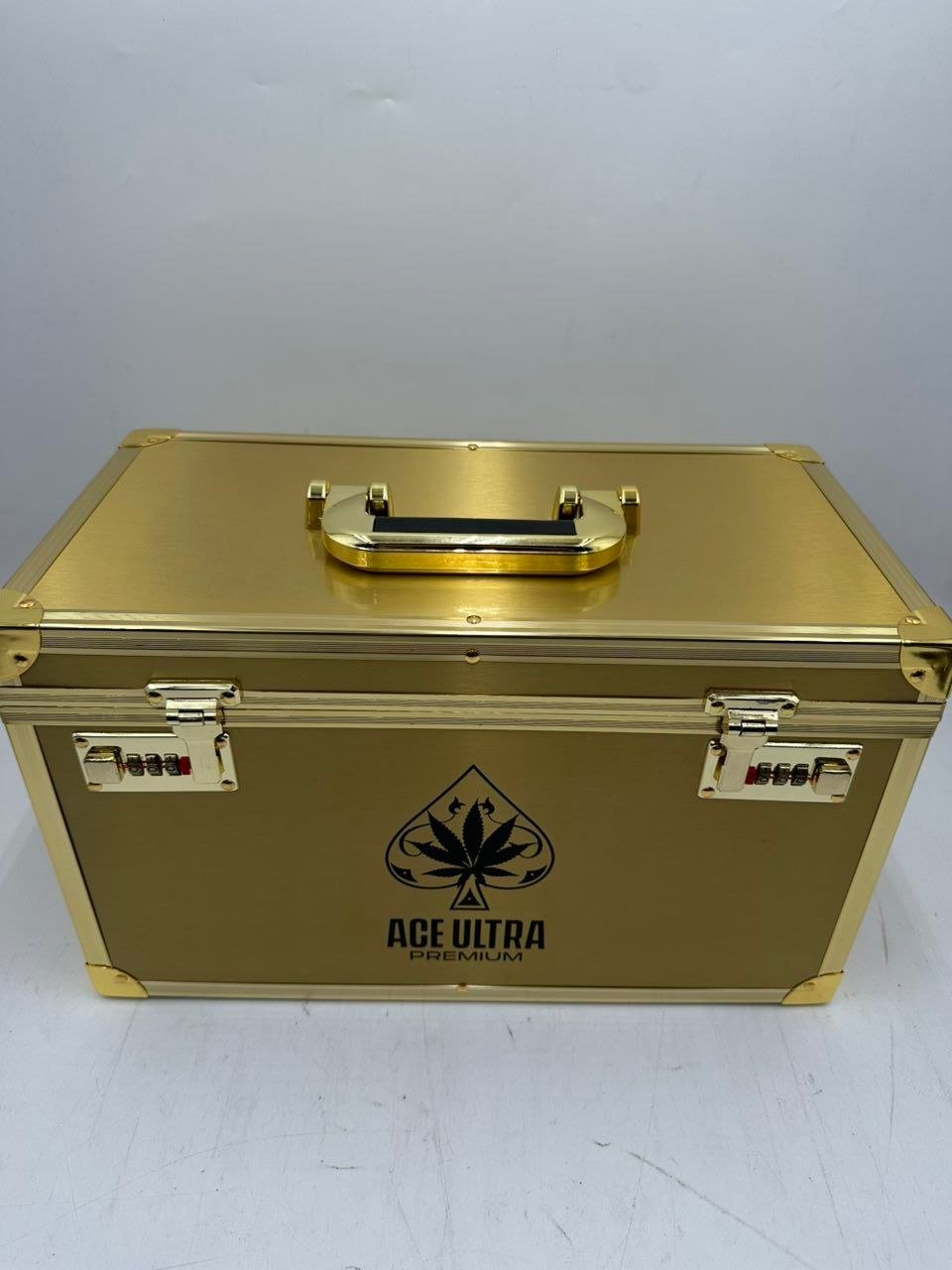

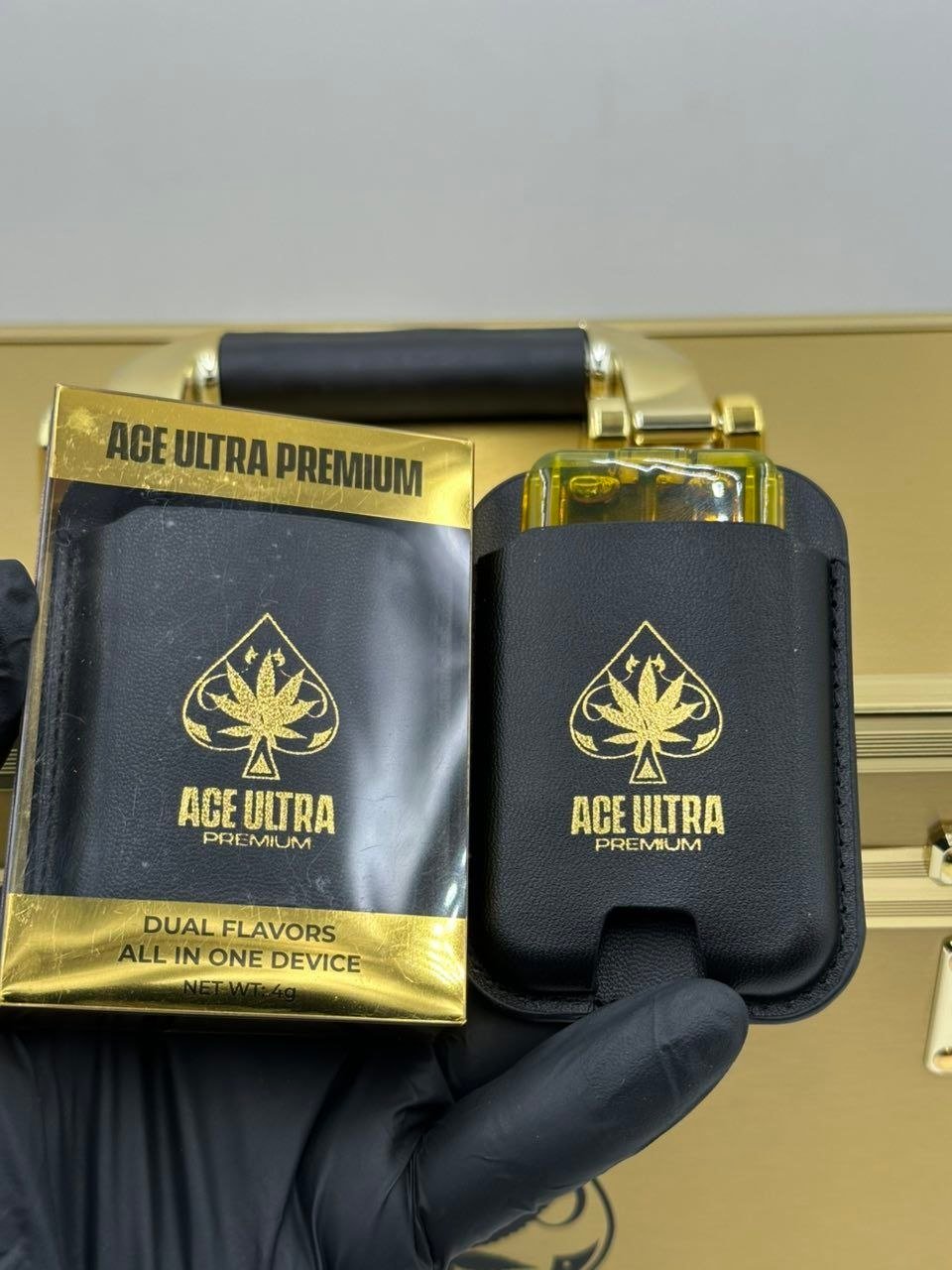
Ace Ultra Premium 4G Disposable: Product Overview, Design Details, and Consumer Information
An Introduction to the Ace Ultra Premium 4G Series
The Ace Ultra Premium 4G Disposable is a product name associated with a disposable electronic device category. A reliable product overview begins with verified information about its design, specifications, packaging, and intended use. These details help readers understand what the product claims to offer without relying on unsupported promises.
Product names and packaging can vary across sellers. Therefore, the exact model, manufacturer, and contents are important when identifying a particular item. The name alone does not confirm authenticity, ingredients, performance, or compliance with local regulations.
Understanding the Product’s Design and Format

Disposable devices are generally designed around an integrated format rather than a system that requires users to replace individual components. Depending on the specific model, the exterior may include a mouthpiece, housing, internal power source, and other electronic components.
However, specifications should be confirmed through reliable manufacturer documentation. A product listing should not assume that every device bearing the same name uses identical materials, components, or manufacturing standards.
What the 4G Label Means
The term “4G” appears in the product name, but its meaning should not be assumed without supporting documentation. It may be a model designation rather than a standardized measurement of capacity, quality, or performance.
Consequently, a clear product page should distinguish confirmed specifications from claims that have not been independently verified. This approach gives readers a more accurate understanding of the item.
Packaging and Product Identification
Packaging provides useful information when identifying a consumer product. Relevant details may include the manufacturer’s name, model number, batch or lot number, ingredient information where applicable, and any required safety warnings.
Additionally, clear photographs of the original packaging can help readers compare a listing with information supplied by the manufacturer. Nevertheless, packaging alone does not establish authenticity, since labels and exterior designs can be copied.
Product Verification and Quality Information
Reliable product information depends on traceable documentation rather than appearance alone. Manufacturer details, batch identification, applicable testing records, and legally required disclosures can help establish whether a product has been properly documented.
Where laboratory reports are relevant, their contents should be checked carefully. The report should identify the tested product and provide enough information to connect the results to the particular batch being represented.
Battery and Electronic Safety
Disposable electronic devices may contain batteries and electrical components that require careful handling. Damage, unusual heat, leakage, or visible deterioration can indicate a potential safety concern.
In addition, electronic devices should be kept away from excessive heat, water, and conditions that could damage their internal components. Battery-containing products should be disposed of through suitable collection or recycling programs where available.
Ingredient Transparency and Consumer Awareness
For products that contain inhalable substances, ingredient transparency is especially important. A complete and accurate description should identify the contents through reliable documentation instead of making assumptions based on a product name or flavor label.
Furthermore, appearance, smell, packaging, and advertised potency cannot independently establish the composition or safety of an inhaled substance. Unverified products may present additional risks because their contents and manufacturing conditions are uncertain.
Responsible Product Information
Accurate descriptions help consumers distinguish documented facts from marketing claims. For that reason, specifications should be supported by credible records, and any uncertainty should be stated clearly.
Local laws governing disposable electronic devices and inhalable products can also differ considerably. Age restrictions, possession rules, sales requirements, and disposal regulations may apply depending on the location.
Frequently Asked Questions
What does Ace Ultra Premium 4G Disposable refer to?
It is the product name provided for this listing. The exact manufacturer, specifications, and contents require independent verification.
Does the 4G designation confirm the product’s capacity?
No. The designation should not be interpreted as a verified capacity measurement without supporting manufacturer documentation.
How can product authenticity be evaluated?
Manufacturer records, traceable batch information, appropriate testing documentation, and authorized distribution records can provide useful evidence. No single packaging feature guarantees authenticity.
What information belongs in a complete product listing?
A transparent listing identifies the product, confirms its specifications where possible, describes the packaging, provides applicable safety information, and avoids unsupported claims about composition or performance.
Why is accurate labeling important?
Accurate labeling helps readers understand what a product contains, how it is identified, and which safety or regulatory considerations may apply.
Ace Ultra Premium 4G Disposable product information should be based on verifiable specifications rather than assumptions about quality, contents, or performance. Clear identification, transparent documentation, responsible handling information, and accurate labeling create a more useful and trustworthy product page.
Ultimately, the strongest product description is one that gives readers reliable facts, explains uncertainties honestly, and avoids claims that cannot be supported by evidence.
Additional Information for the Ace Ultra Premium 4G Disposable Product Page
The Importance of Clear Product Specifications
A well-prepared product listing gives readers a straightforward explanation of the item being described. For Ace Ultra Premium 4G Disposable, this means presenting confirmed details separately from general product information. As a result, readers can understand which specifications are supported by documentation and which details remain uncertain.
Product specifications may include the model identifier, exterior dimensions, materials, battery information, packaging contents, and manufacturer details. However, these fields should only be completed when reliable information is available. This prevents inaccurate descriptions from creating unrealistic expectations.
Product Appearance and Physical Characteristics
The physical appearance of a disposable electronic device can provide basic identification details. Its housing, mouthpiece, printed labels, and overall construction may differ according to the model or production batch.
Nevertheless, visual similarities do not prove that two products have the same internal components. Counterfeit or incorrectly labeled items can resemble genuine products. Therefore, product photographs are most useful when they are accompanied by reliable identification information.
Manufacturing Information and Traceability
Traceability connects a product to the records associated with its manufacture and distribution. Depending on the product category, these records may include manufacturer identification, batch numbers, production details, and relevant quality-control documentation.
Moreover, traceable information can help retailers investigate discrepancies between packaging and official specifications. When documentation is unavailable, a listing should acknowledge that limitation rather than presenting unverified claims as established facts.
Storage, Handling, and Disposal Considerations
Electronic products containing batteries require appropriate storage and disposal practices. Excessive heat, physical damage, and improper handling may create safety concerns.
Similarly, disposable electronics should not automatically be treated as ordinary household waste. Local recycling facilities may accept battery-containing devices through designated collection programs. Applicable disposal instructions should be checked before a product reaches the end of its useful life.
Consumer Expectations and Product Transparency
Accurate descriptions establish realistic expectations. Readers benefit from specific information about what is included, which features have been confirmed, and what supporting documentation is available.
In contrast, vague statements about superior quality or exceptional performance provide little measurable information. A transparent listing focuses on verifiable characteristics and avoids presenting advertising language as independent evidence.
A More Informative Shopping Experience
Useful product pages combine concise explanations with relevant supporting details. For example, a clearly labeled specification section can make model information easier to locate. Likewise, consistent product photographs and accurate packaging descriptions can reduce confusion between similar listings.
Additionally, transparent information helps customers compare products using documented characteristics rather than assumptions. This creates a more informative browsing experience while supporting responsible retail practices.
The Ace Ultra Premium 4G Disposable listing benefits from clear identification, reliable product documentation, and straightforward explanations. By separating confirmed facts from unverified claims, the product page can provide readers with useful information while maintaining accuracy and transparency.
How Product Information Builds Customer Confidence
Trust begins with accurate information. When readers visit a product page, they often want to understand the item’s identity, construction, packaging, and documented specifications. A well-organized description addresses these questions without relying on exaggerated promises.
For the Ace Ultra Premium 4G Disposable listing, transparency is particularly important because the product name alone cannot establish its precise specifications. Therefore, confirmed information should form the foundation of every product detail presented to customers.
Recognizing the Difference Between Claims and Facts
Product descriptions frequently combine physical characteristics with statements about quality or performance. These two categories are not interchangeable. A visible feature may be documented through photographs, while a performance claim generally requires appropriate supporting evidence.
For example, a label displaying a particular capacity does not independently establish the accuracy of that measurement. Similarly, an attractive exterior does not demonstrate that the internal components meet a particular standard.
Consequently, a reliable listing distinguishes observable features from claims that require additional verification. This distinction makes the information easier to evaluate and reduces the risk of misleading readers.
Why Consistent Product Records Matter
Consistent records help retailers maintain accurate information across their websites, inventory systems, and customer communications. When a product has several variations, each version should have its own identifiable record.
This approach is useful when packaging changes, model identifiers differ, or a manufacturer updates its specifications. In addition, consistent records make it easier to identify outdated information before it appears on a published page.
A structured product record may contain the following details:
- Product name and model identifier.
- Manufacturer or responsible supplier.
- Verified packaging information.
- Applicable safety documentation.
- Batch identification, where available.
- Date of the most recent specification review.
These details support better recordkeeping without requiring assumptions about the product’s contents or capabilities.
The Role of Product Photography in Identification
Product photographs help readers understand the appearance of an item before examining its specifications. Clear images may show the exterior housing, printed identification, packaging, and any included documentation.
However, photographs should accurately represent the actual item being described. Generic images or pictures of a different model can create confusion, particularly when products have similar names.
Likewise, visual presentation should not replace written information. A useful product page combines accurate photographs with readable descriptions and appropriately documented specifications.
Understanding Model Variations and Packaging Changes
Consumer products may undergo packaging revisions during their production history. Differences in artwork, labels, colors, or printed information do not automatically prove that an item is genuine or counterfeit.
Instead, such differences should be evaluated against reliable manufacturer records. Where the exact version cannot be confirmed, the product description should avoid presenting a particular packaging design as universal.
This is especially relevant for online retailers managing multiple product listings. Clear version identification helps prevent one model’s specifications from being incorrectly assigned to another.
Accurate Information for Online Retailers
An informative online listing should be easy to scan while still providing enough detail to answer common questions. Short introductory paragraphs, descriptive headings, and clearly labeled specifications make the page more accessible.
Furthermore, terminology should remain consistent throughout the description. If a feature has not been verified, the wording should reflect that uncertainty rather than suggesting a confirmed benefit.
Retailers also benefit from reviewing product pages whenever new documentation becomes available. As a result, outdated details can be corrected and the information presented to readers can remain consistent with the available records.
Product Documentation and Regulatory Awareness
Different product categories may be subject to different labeling, testing, distribution, and advertising requirements. The applicable rules depend on the product’s contents, intended use, and the jurisdiction where it is offered.
For products involving inhalable substances or battery-powered equipment, relevant requirements may address ingredient disclosures, electrical safety, packaging, age restrictions, or disposal. Compliance should be assessed using current official guidance rather than assumed from a product label.
Where required documents are missing, the listing should not imply that the product has received certification or approval. Accurate statements about documentation help maintain clear expectations.
A Practical Standard for Reliable Product Content
A dependable product page answers three basic questions: What is the item? Which details can be verified? What information remains uncertain?
The first question establishes the product’s identity. The second provides documented characteristics, while the third prevents gaps in available information from becoming unsupported claims.
Together, these principles create a more useful description. They also provide a consistent method for reviewing other listings without repeating identical wording or relying on generic promotional language.
Notes on the Ace Ultra Premium 4G Disposable Listing
A complete listing for Ace Ultra Premium 4G Disposable should reflect the exact product and version being represented. Verified specifications, accurate photographs, appropriate disclosures, and clear identification details provide a stronger foundation than assumptions based on the product name.
Ultimately, useful product information is specific, transparent, and easy to understand. By keeping documentation and accuracy at the center of the listing, retailers can give readers a clearer picture of what is known about the item and what still requires confirmation.
A Closer Look at Product Identification and Verification
Product identification is an important part of maintaining accurate online listings. A name may help readers locate a particular item, but additional details are often necessary to distinguish it from similar products. For the Ace Ultra Premium 4G Disposable listing, the model identifier, manufacturer information, and packaging records can provide a more complete picture.
Moreover, product verification should rely on evidence that can be checked independently. Packaging similarities, printed logos, and visual presentation may help with identification, although they cannot establish authenticity on their own.
A careful verification process reduces confusion between products with similar names. It also helps ensure that the information presented on a retail website corresponds to the specific item being described.
Why Detailed Product Records Improve Accuracy
Accurate product records provide a consistent reference for the information published online. They can include the product name, version, supplier details, available specifications, and relevant supporting documents.
When a manufacturer updates a product, those records help retailers identify which details require revision. Consequently, outdated descriptions are less likely to remain attached to a newer version.
Recordkeeping also supports communication between suppliers and retailers. If a specification is unclear, the original documentation provides a starting point for clarification rather than relying on assumptions.
Clear Language for a Better Reading Experience
Product information becomes more useful when its wording is direct and easy to understand. Long descriptions can still be effective, provided that each section contributes a distinct piece of information.
For instance, a section about packaging should explain identification and labeling, while a separate section about electronic components should address relevant technical and safety considerations. This structure prevents repeated explanations and helps readers locate specific details.
Additionally, familiar terms are generally easier to understand than unexplained technical language. When specialized terminology is necessary, a short explanation can make the information more accessible.
The Importance of Honest Product Representation
A product page represents the item to people who may not have seen it in person. Therefore, the written description and photographs should accurately reflect the available evidence.
Claims about composition, capacity, manufacturing standards, or testing should have appropriate documentation. Without such evidence, these details should remain unconfirmed rather than being presented as established facts.
Honest representation also means acknowledging limitations. If a manufacturer cannot be verified or a specification is unavailable, a clear statement of that limitation is more informative than an unsupported assurance.
Information Customers Commonly Look For
Readers often want to know several basic details before making sense of a product listing. These may include the identity of the manufacturer, the precise model, the contents of the package, and the documentation supporting the stated specifications.
For a battery-powered device, readers may also need information about handling, charging requirements where applicable, damage indicators, and appropriate disposal procedures. The correct details depend on the actual model and its manufacturer instructions.
For products containing inhalable substances, accurate ingredient disclosure and relevant testing information are also important. Neither packaging design nor a product’s name can independently establish the safety or composition of its contents.
Maintaining Consistency Across Multiple Product Pages
Retail websites frequently contain products with related names or similar packaging. Without a consistent review process, details from one listing may accidentally appear in another.
A separate record for each model helps prevent this problem. Distinct headings and original explanations also make individual pages easier to navigate without repeating the same wording throughout a website.
However, originality should not come at the expense of accuracy. Each description should be different where the products differ, while shared safety information should remain consistent with applicable guidance.
Reviewing Information Before Publication
A product listing benefits from a final review before it becomes publicly available. During this review, the product name can be compared with the available documentation, photographs can be checked against the actual item, and unsupported statements can be removed.
The review may also identify missing disclosures, inconsistent terminology, or specifications that require confirmation. In addition, dates and version details can help establish whether the supporting information is current.
These checks create a more reliable publishing process. They also reduce the chance that readers will mistake an unverified statement for an established product characteristic.
A Responsible Approach to Product Information

Responsible product information balances clarity with appropriate caution. It explains what is known, identifies what requires confirmation, and avoids language that overstates the available evidence.
For Ace Ultra Premium 4G Disposable, the most useful listing is one grounded in the documentation for the exact model. Manufacturer information, traceable records, accurate photographs, and applicable safety disclosures can all contribute to a clearer description.
Final Perspective on Accuracy and Transparency
The quality of an online product page depends on more than its length or presentation. Its value comes from the accuracy of its details, the clarity of its explanations, and the reliability of its supporting information.
By using distinct headings, checking product-specific facts, and keeping uncertain claims separate from confirmed specifications, a retailer can maintain a more informative listing. This approach also provides a practical foundation for updating product information as reliable documentation becomes available.



Reviews
There are no reviews yet.