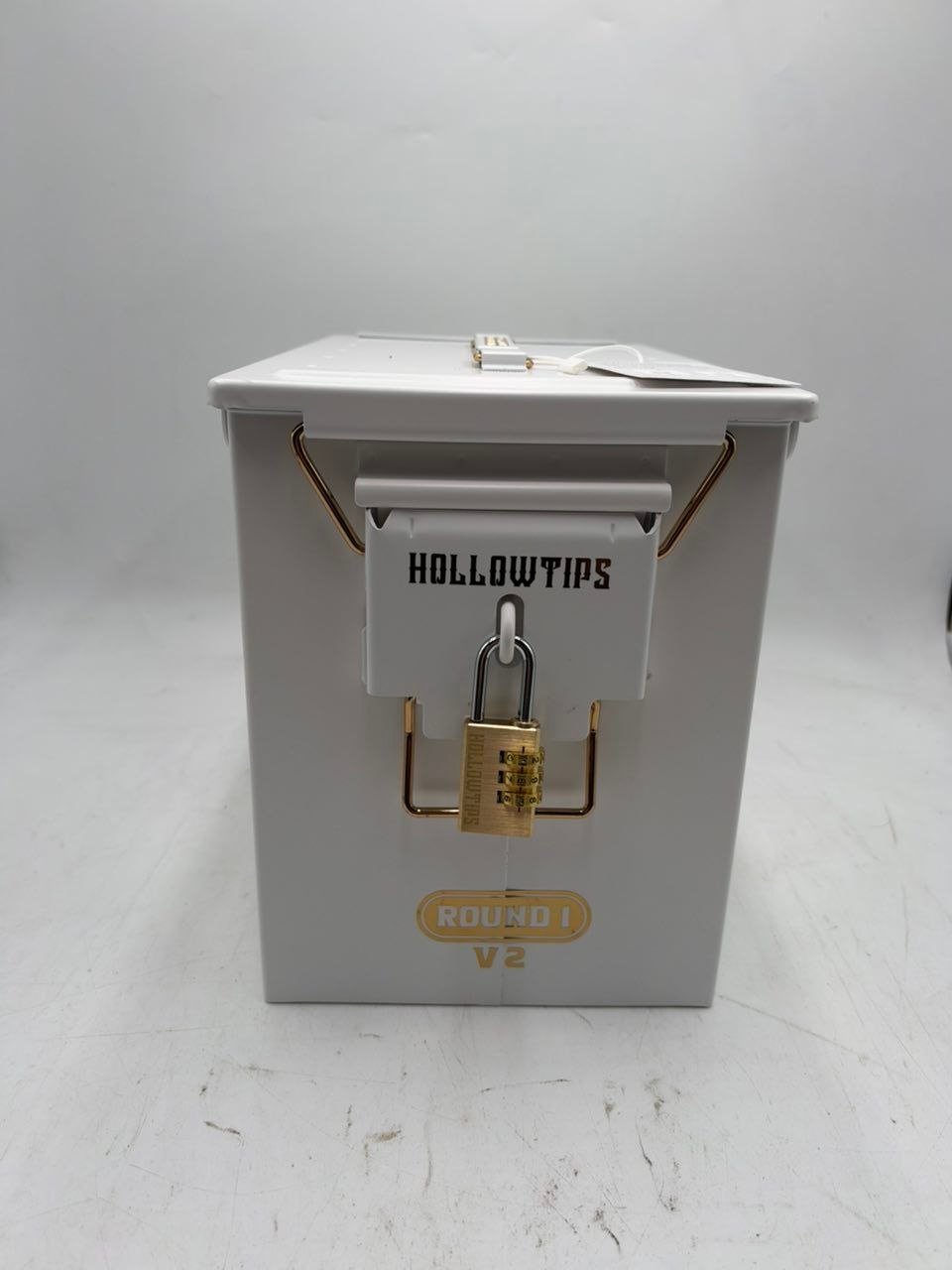
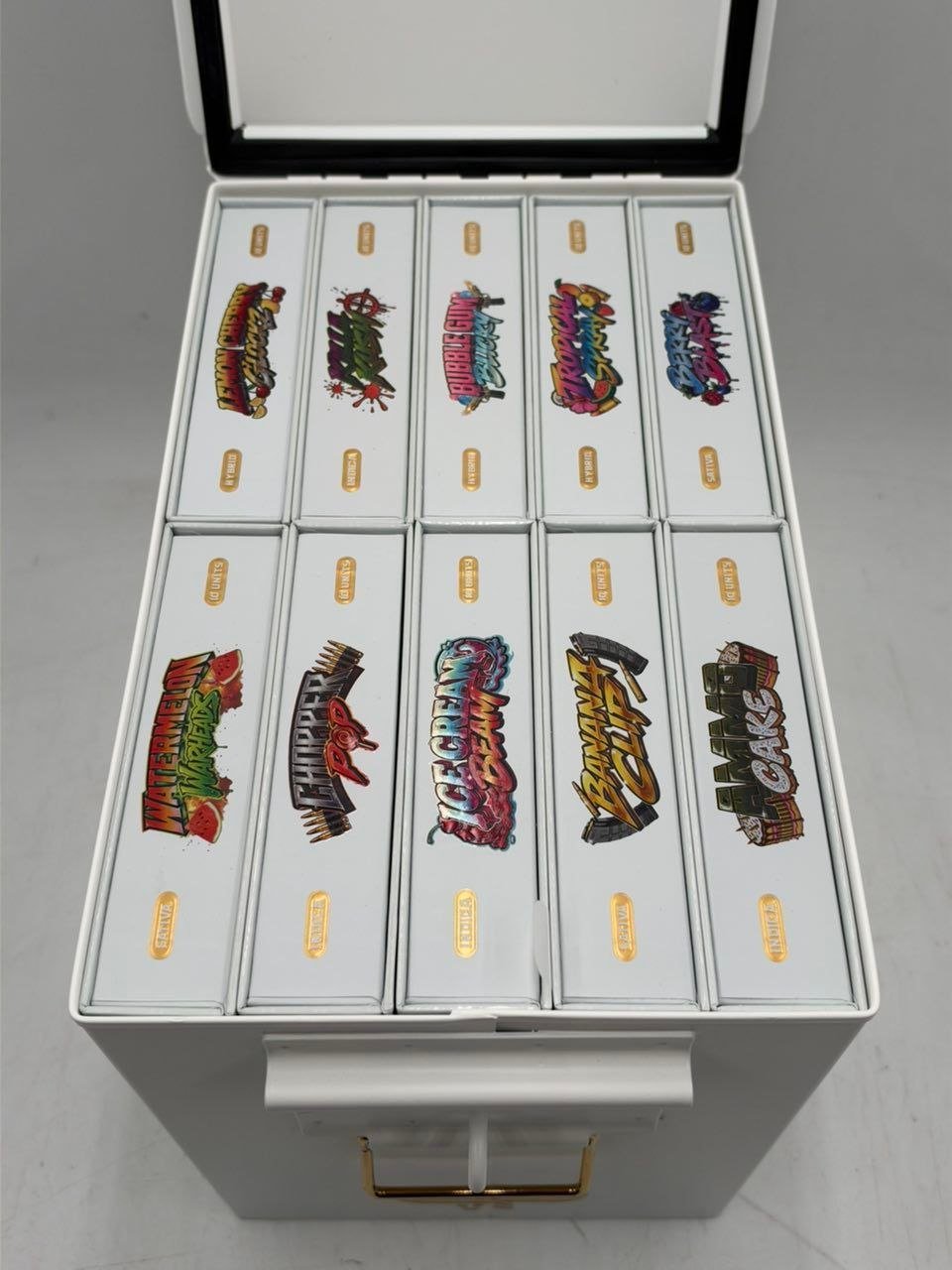
Hollowtips V2 2G Disposable Product Overview, Design Details, and Brand Information
A Closer Look at the Hollowtips V2 Collection
Hollowtips V2 2G Disposable is a product name associated with a newer-generation disposable device format. Its name highlights two identifying details: the V2 designation and the advertised 2-gram capacity. Together, these details provide a starting point for customers researching the product and comparing available options.
However, a useful product description involves more than a name and a capacity figure. Customers also benefit from clear information about product identification, packaging, manufacturer details, applicable regulations, and purchasing considerations. For that reason, this overview focuses on the product’s stated identity while keeping unverified specifications separate from confirmed information.
Understanding the V2 Name and 2G Capacity
The V2 designation commonly serves as a version identifier in product naming. Nevertheless, the label alone does not establish which features have changed from an earlier version. Verified manufacturer documentation remains the best source for information about revisions, materials, technical specifications, and compatibility.
Similarly, the 2G label generally refers to a stated two-gram quantity, but its precise meaning depends on the product category and manufacturer. The packaging and official product documentation should clarify what the measurement represents.
This distinction matters because accurate product information helps customers make informed comparisons. Rather than relying on assumptions, a well-prepared listing presents confirmed details in a straightforward and consistent format.
Product Identity and Packaging Information
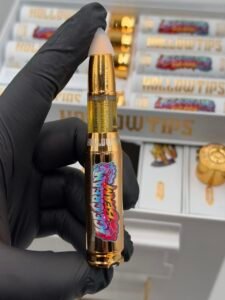
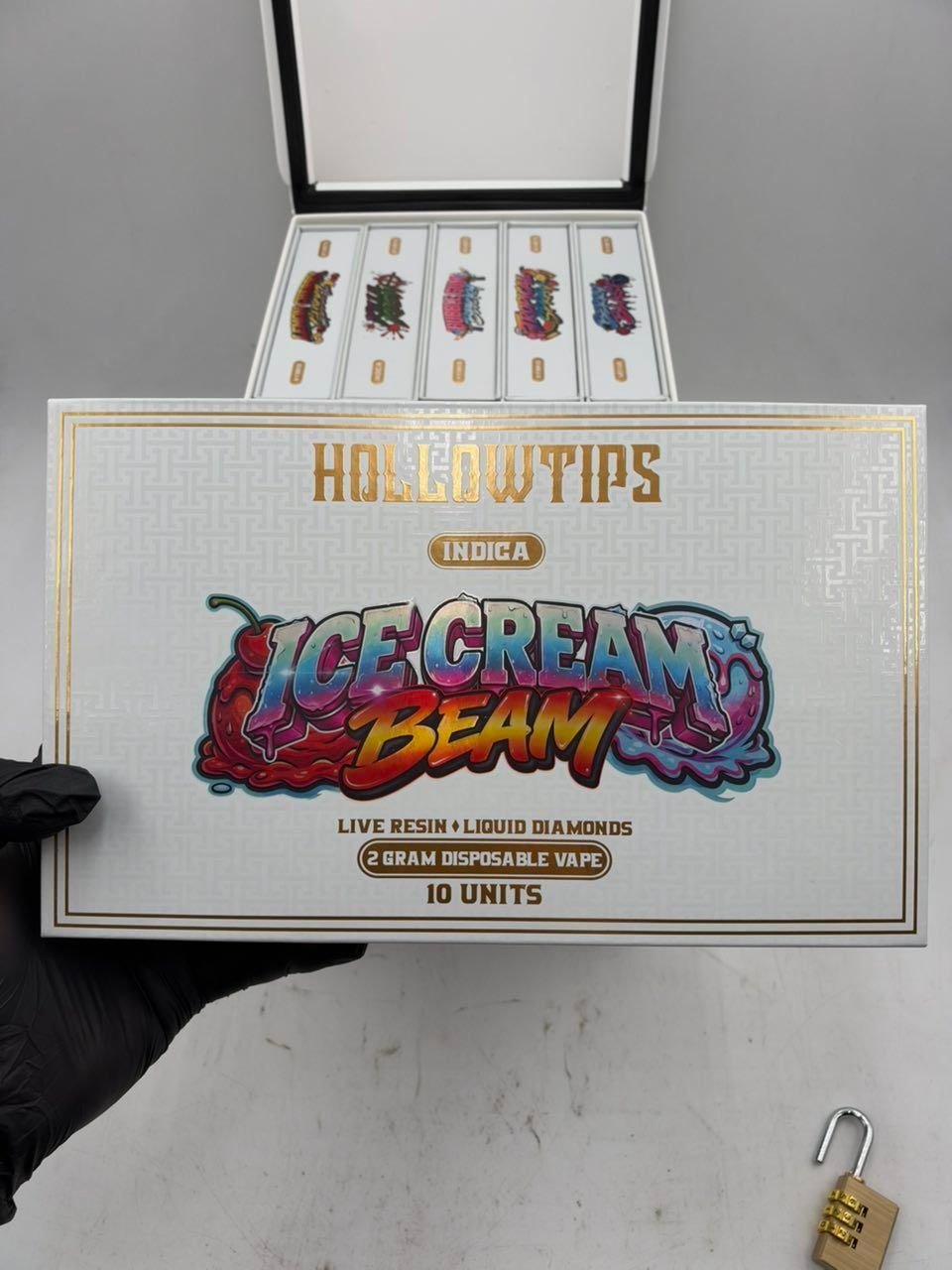
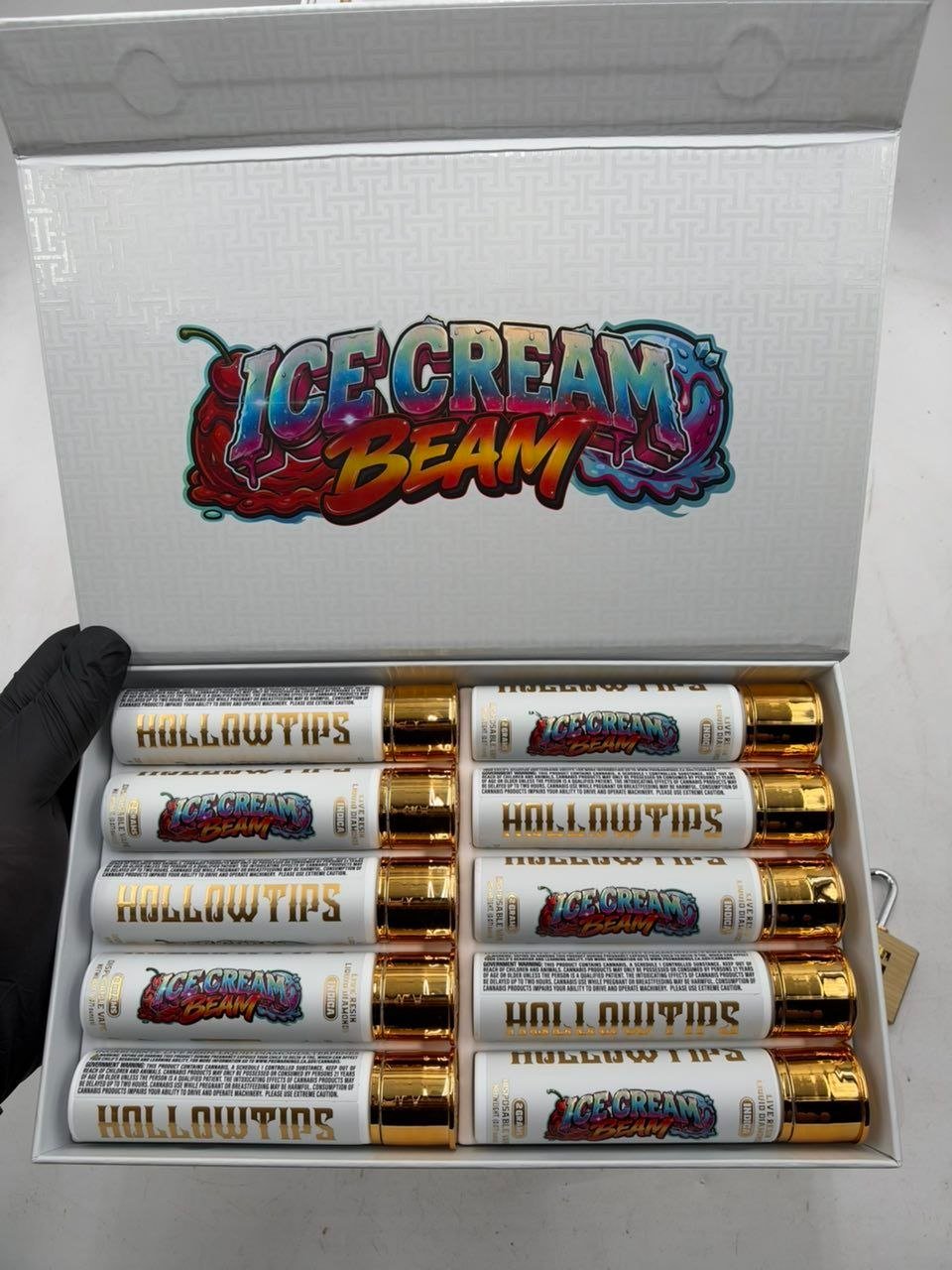
Packaging provides important information about a product’s identity. Depending on the manufacturer and applicable regulations, it may display a product name, batch or lot number, manufacturing details, ingredient information, warnings, and other required disclosures.
For Hollowtips V2, these details should be checked against reliable documentation before being included in a final retail listing. Clear photographs of the actual packaging can also help customers understand which version is being described.
Furthermore, packaging information should remain consistent across the product page, inventory records, and customer communications. Consistency reduces confusion and supports a more transparent shopping experience.
What Customers Should Know Before Comparing Versions
Product names can sometimes appear similar even when the underlying products differ. As a result, version labels should not be treated as proof of a particular feature or improvement.
A careful comparison considers documented specifications, packaging differences, manufacturer information, and applicable safety requirements. If an earlier version is available for comparison, the differences should be described only when supporting information confirms them.
This approach keeps the product listing useful without making promises that the available evidence cannot support.
Responsible Product Information and Customer Transparency
A reliable product page gives customers enough information to understand what is being offered. It also makes limitations clear when certain details remain unavailable.
For example, technical claims should be supported by manufacturer documentation. Ingredient and composition statements should come from reliable product records, while any age restrictions, health warnings, and purchasing limitations should follow the laws that apply to the product category and sales location.
In addition, any photographs, logos, or brand assets should accurately represent the item being sold. If the product’s authenticity or supply chain has not been verified, the listing should not describe it as officially authenticated.
Frequently Asked Questions
What does Hollowtips V2 mean?
Hollowtips V2 is the stated product name. The V2 portion appears to identify a version, but the specific differences from previous versions require confirmation from the manufacturer.
What does 2G mean in the product name?
The 2G label generally indicates a stated two-gram quantity. The exact material or measurement represented should be confirmed through the product’s official packaging and documentation.
Which specifications should appear on the product page?
A complete listing may include the verified manufacturer, product category, package contents, relevant dimensions, material or ingredient information, batch details, warnings, and applicable regulatory information.
How can customers check product authenticity?
Customers can compare packaging and batch information with manufacturer records and use official verification methods where available. A product name or visual resemblance alone does not establish authenticity.
Why is accurate product information important?
Accurate descriptions help customers understand product identity, compare available options, and review relevant safety information before making a purchasing decision.
A More Transparent Approach to Product Listings
Hollowtips V2 2G Disposable can be presented through a product page that prioritizes clarity, verified information, and consistent presentation. Rather than relying on unsupported claims, a strong listing explains the available details and identifies any specifications that still require confirmation.
Ultimately, a useful product description is built on information customers can evaluate. Verified packaging details, accurate photographs, clear manufacturer information, and appropriate warnings create a more dependable foundation for a retail product page.
Exploring the Details That Make a Product Listing More Informative
A product page serves as an important connection between a business and its customers. Beyond presenting a product name, it explains the information shoppers need to understand the item being offered. For Hollowtips V2 2G Disposable, that means presenting the advertised product identity clearly while distinguishing confirmed specifications from details that still require verification.
Moreover, a well-organized description makes information easier to find. Customers may be interested in the product version, package labeling, manufacturer identification, or the meaning of the capacity shown in the name. When these subjects receive their own sections, the page becomes easier to navigate and more useful to readers.
Accuracy also matters when a listing is updated. If new manufacturer information becomes available, the description can be revised to reflect the confirmed details. Consequently, the product page remains consistent with the information supplied by the manufacturer instead of depending on assumptions or outdated statements.
Product Identification and the Importance of Version Labels
Version labels help distinguish products that share a similar name. However, a version number does not automatically reveal the changes introduced during development. The meaning of V2 should therefore be confirmed through official documentation before specific improvements are attributed to Hollowtips V2.
In many product categories, a revised version may involve changes to packaging, materials, dimensions, components, or other design details. Nevertheless, these are general possibilities rather than confirmed characteristics of this particular product.
A reliable listing keeps this distinction clear. Confirmed changes can be explained in detail, while unverified differences should not be presented as established facts. This gives customers a clearer understanding of what the product name communicates and what additional information may be needed.
Understanding Capacity Labels Without Confusion
The number included in a product name can influence how customers interpret a listing. In this case, the 2G label generally suggests a two-gram quantity, although the precise meaning depends on the manufacturer’s labeling and the product category.
For that reason, the stated capacity should be described using terminology consistent with the original packaging. If the manufacturer identifies the measurement as a net quantity, that wording can be used where appropriate. If the measurement refers to a different specification, the description should reflect the documented meaning instead.
Clear labeling helps prevent misunderstandings. It also makes comparisons between products more reliable because customers can distinguish a stated quantity from other characteristics, such as package dimensions or device weight.
Packaging Details That Help Customers Identify the Correct Item

Packaging plays a practical role in product identification. Names, logos, version markings, batch information, and manufacturer details can help distinguish one item from another. Depending on the product and the applicable regulations, packaging may also contain ingredient disclosures, safety warnings, storage guidance, and other required information.
For Hollowtips V2, the final listing should reflect the actual packaging supplied with the product. Stock images or general brand graphics should not be used to imply that a specific package has been inspected when it has not.
Additionally, differences between packaging designs should be described carefully. A revised appearance does not necessarily prove that the contents or specifications have changed. Manufacturer confirmation provides a stronger basis for explaining those differences.
Creating a Consistent Experience Across the Store
Customers often encounter the same product through several parts of an online store. They may see a product card, a category page, a detailed listing, or a confirmation message. Consistent information across these locations reduces confusion.
For example, the product name should remain consistent wherever it appears. The capacity label, version designation, and product category should also match the verified information. If a specification is uncertain, it is better to leave it out temporarily than to publish conflicting claims.
Furthermore, descriptions should be written for the individual product rather than copied wholesale from unrelated listings. Different products may require different explanations, even when they belong to the same general category. This creates more useful pages and gives each item a clearer identity within the store.
A Customer-Focused Approach to Product Information
A helpful product description answers reasonable questions without exaggerating what is known. It explains the product name, clarifies the information printed on the packaging, and provides a straightforward way to understand the available specifications.
At the same time, it avoids promises about quality, performance, composition, or authenticity unless reliable evidence supports those statements. This is especially important for products that may contain regulated substances or carry age restrictions.
Clear product information also supports better communication between customers and the business. When the listing accurately reflects the available records, questions can be answered more consistently and discrepancies can be addressed more effectively.
Product Documentation and Quality Control
Reliable documentation is an important part of maintaining an accurate catalog. Records may include manufacturer specifications, supplier invoices, packaging photographs, batch identifiers, and applicable compliance documents. The exact records needed depend on the product category and the rules governing its sale.
Before a description is published, its claims should be compared with those records. Product names and measurements should be checked for accuracy, while any statements about materials, ingredients, or manufacturing should have appropriate supporting evidence.
If a supplier provides incomplete information, the listing should not fill the gaps with assumptions. Instead, the missing details can be confirmed before publication. This process helps maintain a more dependable product catalog over time.
Maintaining Clear Information as Products Change
Online product information sometimes needs revision. Packaging may change, manufacturers may update specifications, or a product may be replaced by a different version. Therefore, a product page benefits from periodic reviews.
When a change is confirmed, the affected information can be updated across the store. Old photographs and outdated descriptions should not remain in place if they create a misleading impression of the current item.
Similarly, discontinued versions should be distinguished from current products when both appear in the catalog. Accurate version identification helps customers understand which item is being described and reduces the likelihood of confusion between similar names.
Perspective on Hollowtips V2 2G Disposable
A useful Hollowtips V2 2G Disposable product page begins with a clear product identity and builds on information that can be verified. Its strongest foundation is not a collection of dramatic promises, but an accurate description of the product name, labeling, packaging, and documented specifications.
Ultimately, transparency gives customers a more reliable basis for understanding a listing. With verified manufacturer information, consistent wording, suitable photographs, and clear disclosures, the product page can remain informative while avoiding unsupported claims.
Building Customer Confidence Through Clear Product Descriptions
Trust is an important part of every customer relationship. When shoppers visit an online store, they expect product information to be understandable, consistent, and relevant to the item they are considering. A carefully written page for Hollowtips V2 2G Disposable can support that expectation by presenting verified details without confusing descriptions or exaggerated promises.
Furthermore, clear writing helps customers distinguish between product information and general brand messaging. The product name, version designation, stated capacity, and package details belong in the factual section of the listing. Business values and customer-service information can appear separately, giving each subject an appropriate place.
This separation creates a more organized reading experience. It also helps prevent promotional language from being mistaken for a technical specification. As a result, the product page can communicate more effectively while maintaining a consistent and professional tone.
Why Accurate Product Names Matter in an Online Catalog
Product names help shoppers identify individual listings, particularly when a store carries several products with similar branding. Hollowtips V2 2G Disposable contains several identifying elements, each of which should be represented consistently wherever the item appears.
The Hollowtips name identifies the product as presented in the listing, while V2 appears to indicate a version designation. The 2G portion generally communicates a stated two-gram quantity, subject to confirmation through the original packaging.
However, product names alone may not establish a complete specification. Additional information from the manufacturer is necessary when customers need to understand the exact contents, components, or differences between versions.
Consistent naming also helps with catalog organization. Category pages, internal search results, inventory records, and individual product pages can use the same verified product name. Consequently, customers can identify the listing more easily and businesses can reduce inconsistencies across their records.
How Detailed Descriptions Improve the Shopping Experience
A useful description does more than repeat the product title. It organizes available information so that customers can understand the item’s identity and determine which questions remain unanswered.
For instance, a product page may contain a concise introduction, a section explaining the labeling, a list of verified specifications, and a separate area for safety information. Each section serves a distinct purpose, allowing readers to find relevant details without working through repeated paragraphs.
Moreover, clear headings improve navigation. A shopper looking for packaging information can move directly to that section, while someone comparing version labels can find the relevant explanation more quickly.
The language itself should remain natural and specific. Repeated phrases add little value, whereas original explanations make the page easier to read. Therefore, each section should introduce a useful detail instead of restating the same general claim.
The Role of Manufacturer Information in Product Verification
Manufacturer information provides an important reference point for product descriptions. Depending on the category, official records may identify the manufacturer, clarify the product’s specifications, explain packaging details, and provide relevant warnings.
These records are especially useful when several products share similar names or visual designs. Although two packages may look alike, their contents and specifications should not be assumed to be identical.
For Hollowtips V2, any claims about materials, ingredients, device components, manufacturing standards, or version-specific changes should be supported by appropriate documentation. If those details cannot be confirmed, the listing should avoid presenting them as established facts.
In addition, the business can keep a record of the sources used to prepare the product page. This makes later reviews more straightforward and helps ensure that updated descriptions continue to reflect reliable information.
Product Photography and Its Place in a Reliable Listing
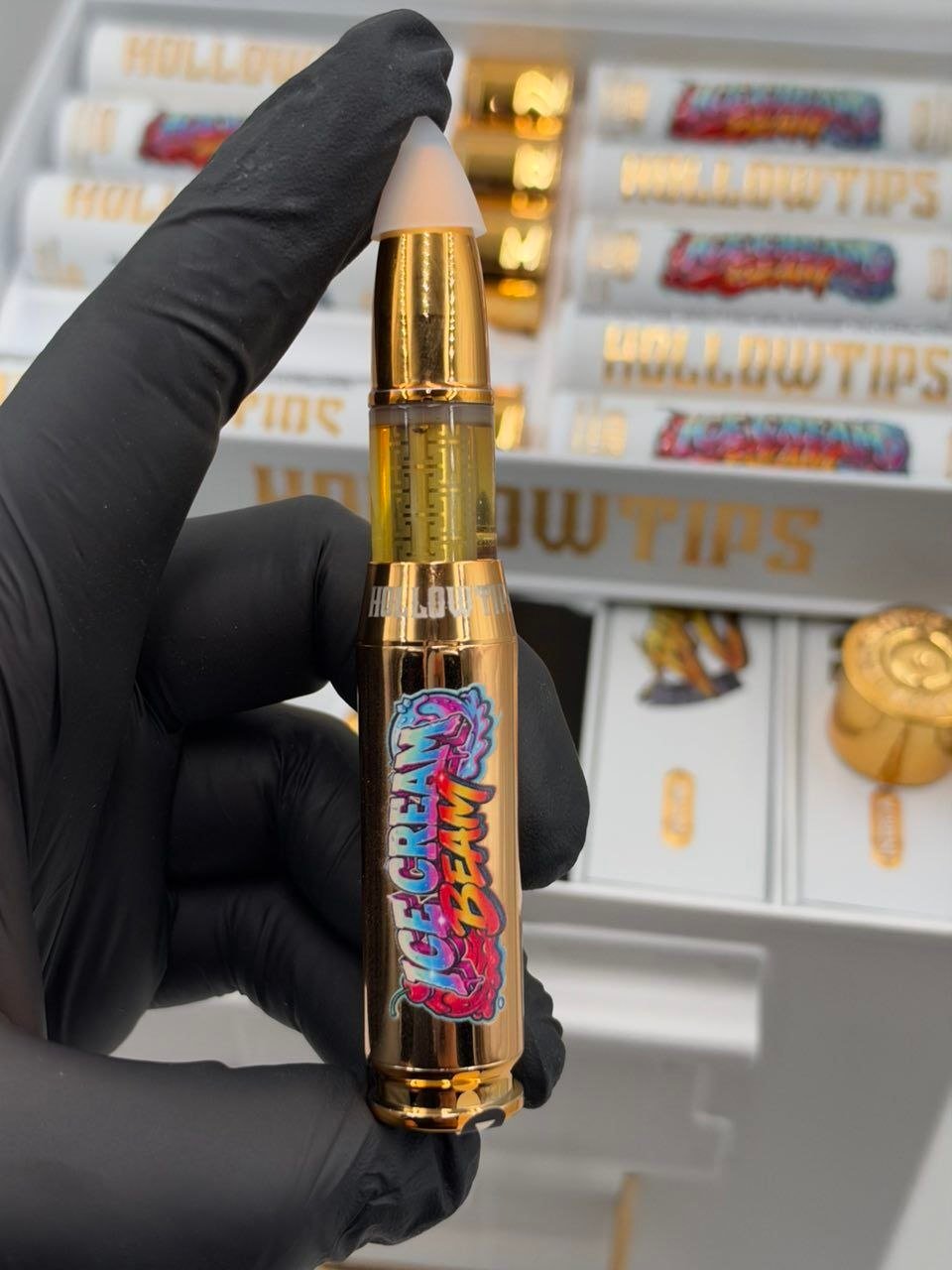
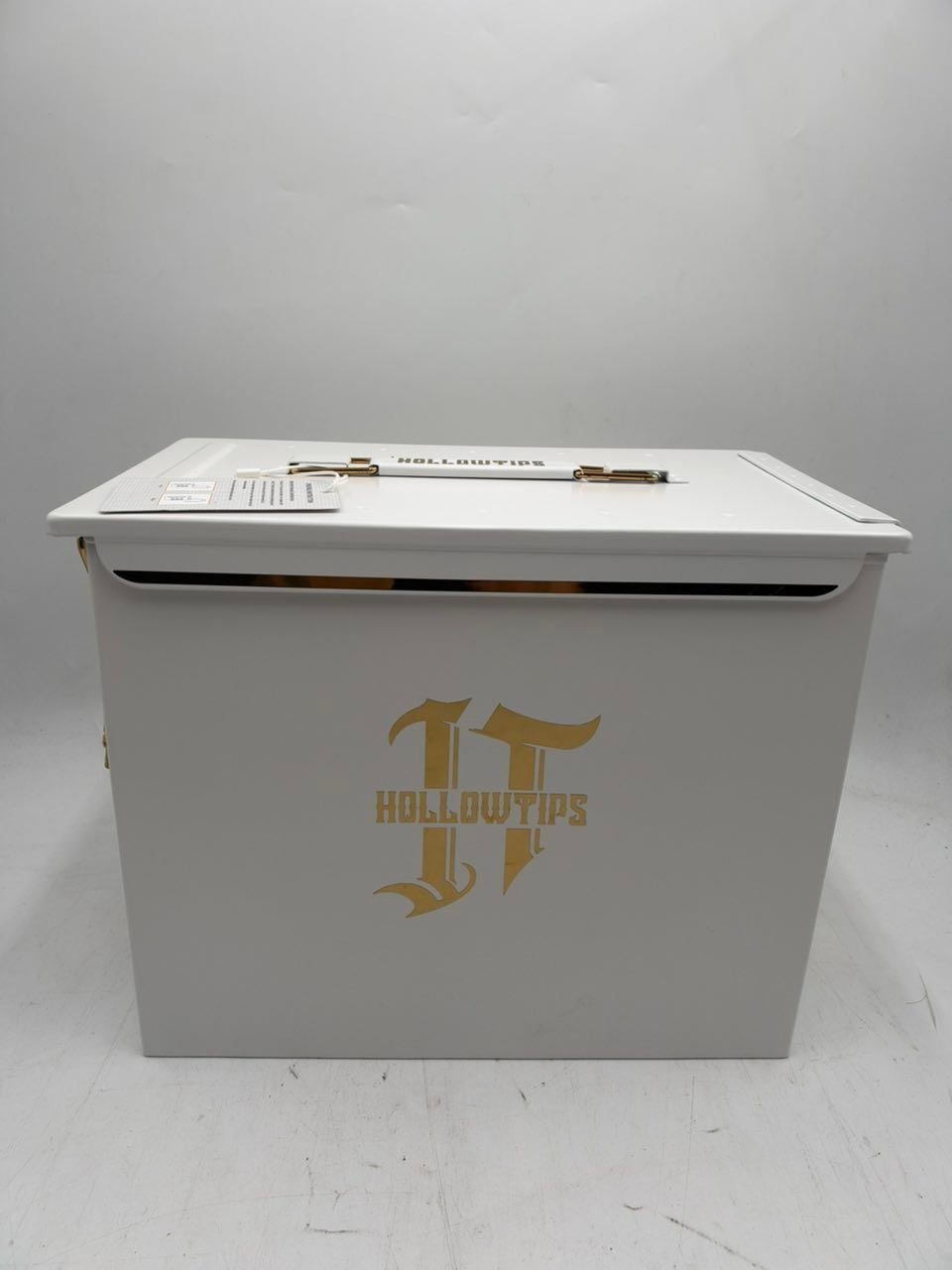
Photographs provide visual context that written descriptions cannot always convey. A clear image can show the packaging, printed product name, visible version markings, and other identifying details.
Nevertheless, photographs should accurately represent the item being offered. Images of another version or a similar-looking product may create confusion, even when the overall design appears familiar.
For that reason, product photographs should be checked before publication. The image selection should match the actual listing, and any visible labels should remain consistent with the written information.
Where appropriate, additional photographs may show different sides of the packaging or provide a closer view of the printed information. However, an image should not be treated as proof of authenticity, composition, or performance on its own.
Responsible Communication About Product Features
Customers benefit when a listing explains confirmed features without overstating their significance. A version label, for example, may be useful for identification, but it does not independently prove that a product offers improved performance or additional functionality.
Likewise, a capacity figure should not be used to imply a particular effect or level of quality. Those subjects require separate evidence and accurate terminology.
This careful approach is particularly important for regulated product categories. Any relevant restrictions, health warnings, ingredient disclosures, and age requirements should be handled according to the applicable rules.
Ultimately, responsible communication supports a more informative shopping experience. Customers receive a clearer account of what is known, while the business avoids claims that may be difficult to substantiate.
Frequently Asked Questions About Product Information
Is the V2 designation enough to confirm a product upgrade?
No. It appears to identify a version, but the precise differences between versions require manufacturer confirmation.
Does the 2G label explain every product specification?
No. It generally indicates a two-gram quantity, but the label does not explain every aspect of the product. The original packaging and supporting documentation provide the necessary context.
Why should product descriptions avoid unsupported claims?
Unsupported claims can mislead customers and create confusion about what is actually being offered. Verifiable information provides a stronger foundation for accurate product pages.
Should every product in a store use the same description format?
A consistent overall layout can make a store easier to navigate. However, the wording, headings, and explanations should reflect the individual product rather than repeating identical content across unrelated listings.
How often should product information be reviewed?
Descriptions should be reviewed whenever new specifications, packaging changes, manufacturer updates, or regulatory requirements affect the accuracy of the listing. Periodic catalog checks can also identify outdated information.
A Clearer Standard for Online Product Information
Hollowtips V2 2G Disposable can be represented through a product page that emphasizes identification, documented details, and straightforward explanations. The most useful information is the information customers can understand and verify.
By keeping product specifications separate from general promotional statements, maintaining accurate photographs, and reviewing the listing when new records become available, a business can build a more consistent product catalog.
In the end, clear descriptions serve both customers and retailers. They reduce avoidable misunderstandings, improve navigation, and create a dependable foundation for communicating about individual products.



Reviews
There are no reviews yet.