

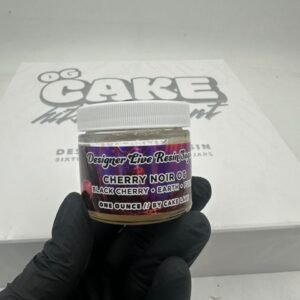
OG CAKE DESIGNER LIVE RESIN SUGAR
Price range: $150.00 through $550.00
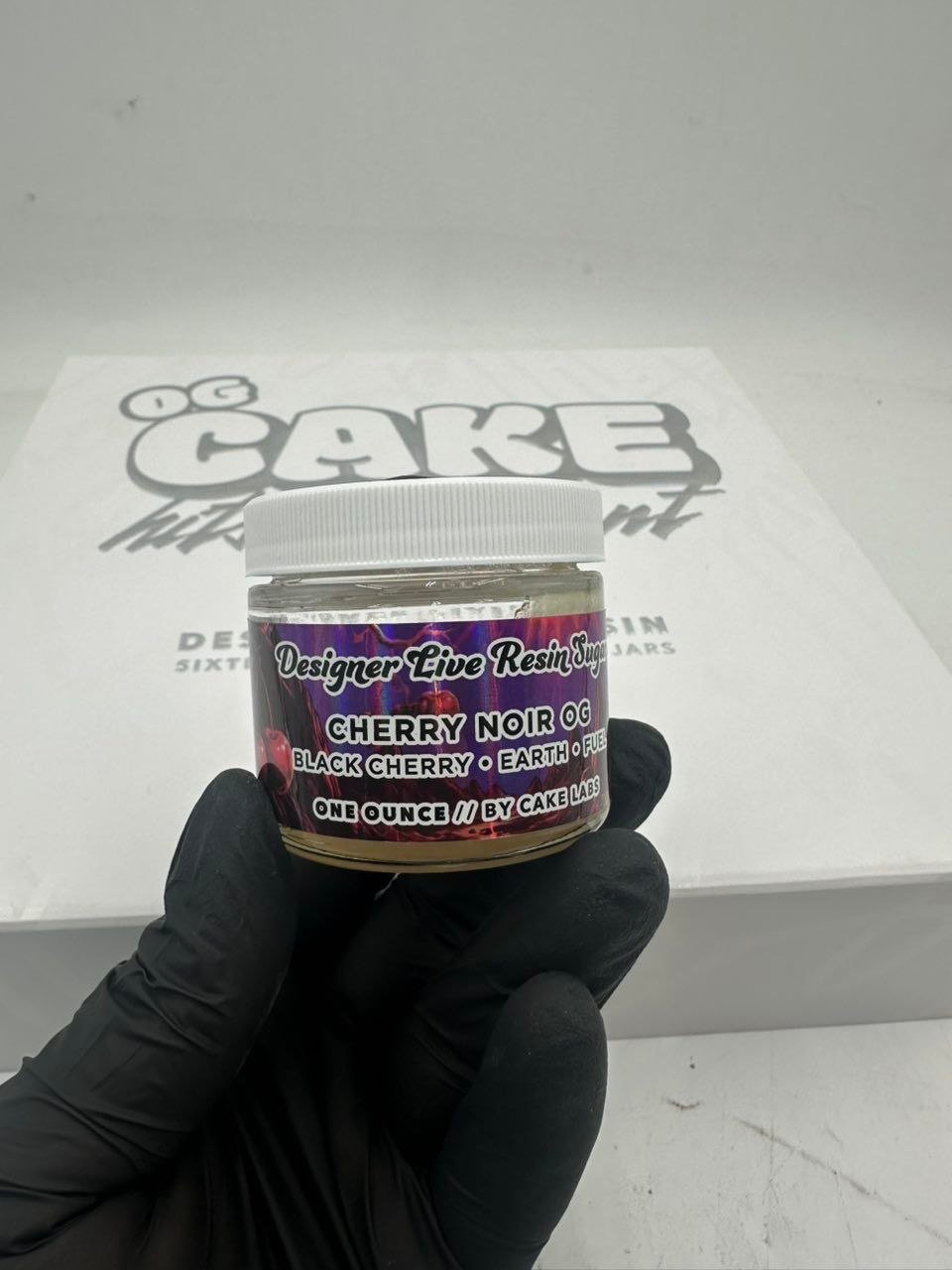
OG Cake Designer Live Resin Sugar is a cannabis concentrate known for its soft, crystalline texture and terpene-rich character. The term “live resin” generally refers to extract produced from cannabis that is preserved soon after harvest rather than being fully dried and cured beforehand. This approach is intended to retain a broader portion of the plant’s naturally occurring aromatic compounds.
OG Cake Designer Live Resin Sugar
Product Overview
OG Cake Designer Live Resin Sugar is a cannabis concentrate known for its soft, crystalline texture and terpene-rich character. The term “live resin” generally refers to extract produced from cannabis that is preserved soon after harvest rather than being fully dried and cured beforehand. This approach is intended to retain a broader portion of the plant’s naturally occurring aromatic compounds.
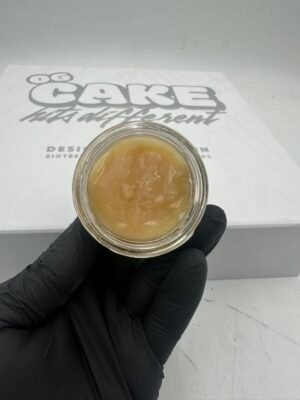
The og cake designer live resin sugar description refers primarily to the appearance and consistency of the concentrate. Depending on processing and storage conditions, live resin sugar can have a granular, semi-crystalline texture with a moist appearance. Its consistency may vary from batch to batch.
Texture and Appearance
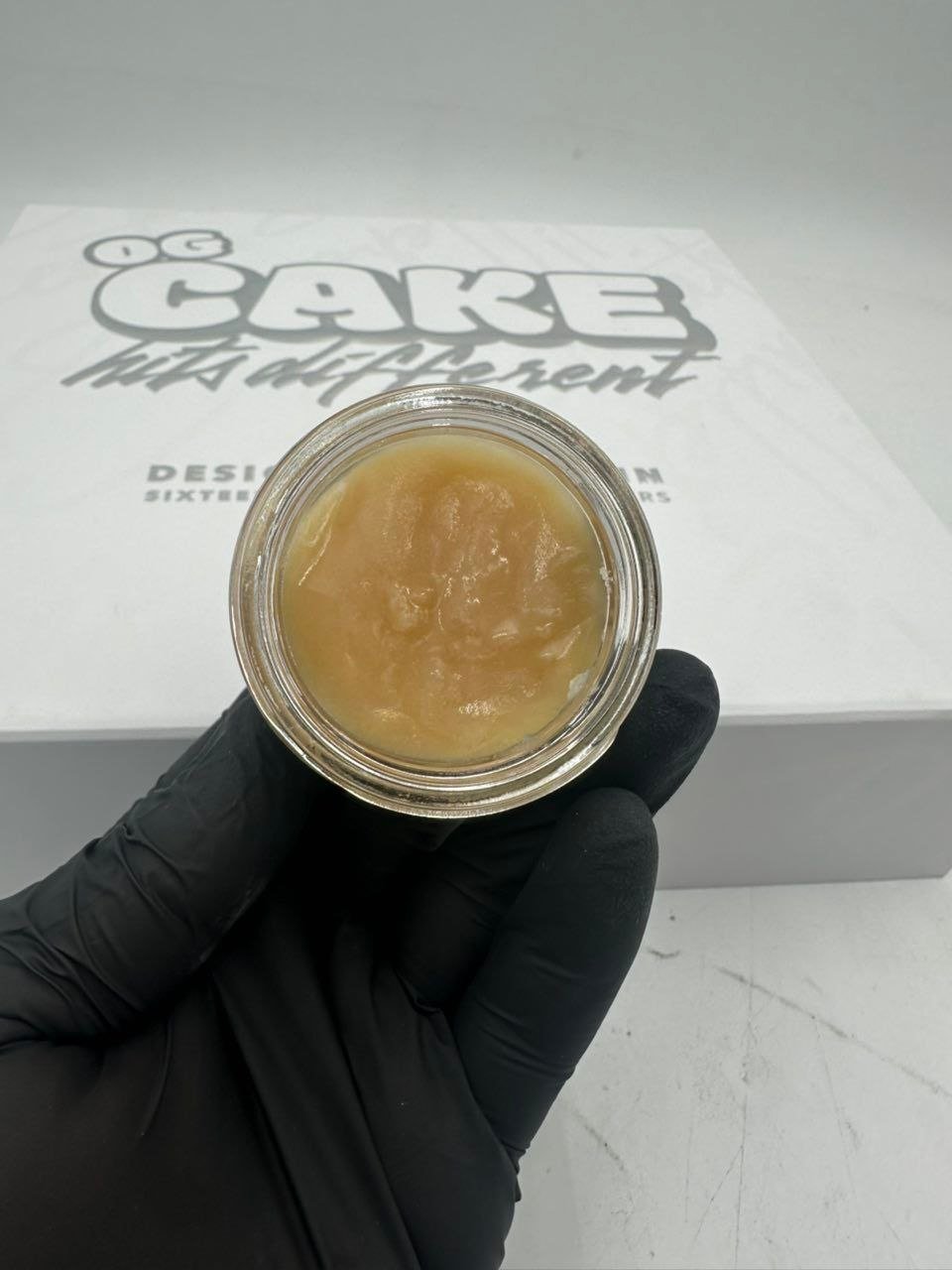
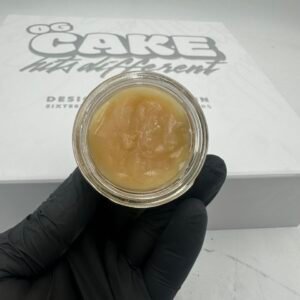
og cake designer live resin sugar commonly has a loose, grain-like structure rather than the firm texture associated with some other concentrate formats. Individual crystals can appear surrounded by a terpene-rich liquid component, creating the characteristic sugary appearance.
Color can vary according to the starting material, extraction process, storage conditions, and other production factors. Shades may range from pale gold to deeper amber tones. Texture can also change over time as temperature and environmental conditions affect the concentrate.
Understanding the Live Resin Process
Live resin differs from extracts made from conventionally dried and cured cannabis because the starting plant material is typically preserved soon after harvest. Freezing the material helps slow degradation and can help retain volatile compounds that may otherwise be reduced during traditional drying and curing.
The extraction process separates cannabinoids and aromatic compounds from the preserved plant material. The resulting concentrate is then processed into a consistency that can resemble wet sugar or small crystalline grains.
Because production methods differ among manufacturers, the final characteristics of two products carrying the same general concentrate description may not be identical.
Aroma and Flavor Characteristics
The aromatic profile of a cannabis concentrate is influenced by its terpene composition. OG Cake Designer Live Resin Sugar may have an aroma and flavor profile associated with the cultivar or formulation used to produce it, although the exact characteristics depend on the specific batch.
Terpenes are naturally occurring aromatic compounds found in many plants. In cannabis, compounds such as limonene, myrcene, caryophyllene, and pinene can contribute different aromatic impressions. However, the presence and concentration of particular compounds should be confirmed through laboratory testing rather than assumed from a product name alone.
Cannabinoid Content
Cannabinoid concentration can vary considerably between concentrate products. THC is commonly present in cannabis extracts, while smaller amounts of other cannabinoids may also occur.
The most reliable information about cannabinoid concentration comes from the product’s laboratory report or certificate of analysis. A batch-specific laboratory report can provide information about cannabinoid percentages, terpene content, contaminants, and other testing categories.
For that reason, the printed package information and corresponding laboratory documentation are more useful than generalized expectations based solely on the product name.
Batch Differences
Natural cannabis products can show differences between production batches. Factors such as cultivar genetics, harvest timing, growing conditions, extraction techniques, and storage can influence the final concentrate.
As a result, color, aroma, texture, cannabinoid concentration, and terpene composition may differ between batches. These differences do not necessarily indicate a change in the product category; instead, they reflect the variability associated with cannabis-derived materials and processing.
Storage Considerations
og cake designer live resin sugar can be affected by heat, light, air exposure, and changes in temperature. Appropriate storage conditions can help preserve the physical characteristics and aromatic compounds of the material.
The manufacturer’s storage instructions should take priority because recommended conditions can vary according to packaging and formulation. Containers should also remain properly closed when the product is not being handled.
Laboratory Testing
Laboratory testing provides important information about the composition and safety profile of a cannabis concentrate. Depending on the jurisdiction and testing program, reports may include cannabinoid potency, terpene information, residual solvents, pesticides, heavy metals, microbial contaminants, and other analytical categories.
A batch-specific certificate of analysis is therefore an important reference when evaluating the contents of a concentrate. Results should be matched to the batch or lot number shown on the packaging whenever possible.
Product Identification
The name OG Cake Designer Live Resin Sugar describes a particular concentrate presentation, but the name alone does not establish potency, ingredients, origin, or laboratory results.
Packaging information can provide additional details such as the manufacturer, production or packaging date, batch number, cannabinoid profile, net weight, and testing information. Those details offer a more complete picture of the individual product.
Responsible Product Information
Cannabis concentrates can contain substantially concentrated amounts of cannabinoids compared with unprocessed cannabis flower. Individual responses can vary based on cannabinoid concentration, personal tolerance, previous exposure, and other factors.
Legal requirements also differ between jurisdictions. Age restrictions, possession rules, labeling requirements, and permitted cannabis products can vary significantly depending on location.
For these reasons, product information should be considered together with applicable local regulations and the manufacturer’s verified laboratory documentation.
What Influences the Final Concentrate
Several stages contribute to the characteristics of a live resin sugar concentrate. The genetics of the cannabis plant establish the starting cannabinoid and terpene profile. Growing conditions can then influence how those compounds develop before harvest.
Harvest timing also matters because cannabinoid and terpene concentrations can change as the plant matures. After harvesting, preservation methods become particularly important for products described as live resin. Rapid preservation helps maintain characteristics that could otherwise change during conventional drying and curing.
Extraction conditions represent another important factor. Temperature, pressure, processing time, and purification methods can all influence the appearance and chemical composition of the finished material.
Consequently, the final concentrate represents the combined result of cultivation, harvest, preservation, extraction, and post-processing.
Why the Sugar Texture Matters
The og cake designer live resin sugar-like structure is one of the defining physical characteristics of this type of concentrate. Instead of appearing as a completely uniform solid, the material can contain small crystalline structures surrounded by a more fluid component.
This texture can change with temperature. In cooler conditions, the concentrate may appear firmer and more crystalline. At warmer temperatures, some of the terpene-rich material can become more fluid.
Therefore, appearance alone should not be treated as a reliable measurement of potency or quality. Chemical testing remains the appropriate source for information about cannabinoid concentration and product composition.
Terpenes and Natural Aromatics
Terpenes contribute significantly to the sensory character associated with cannabis concentrates. Different terpene combinations can create citrus, floral, earthy, herbal, spicy, pine-like, or sweet aromatic impressions.
The aroma of a particular og cake designer live resin sugar batch depends on its actual chemical profile. A product name may suggest a cultivar or flavor direction, but laboratory results provide more precise information about which compounds are present.
Terpene concentrations can also change during storage. Exposure to excessive heat, oxygen, or light may gradually affect volatile aromatic compounds.
For this reason, packaging and storage conditions can influence how a concentrate smells over time.
Cannabinoids Beyond THC
Although THC is often the primary cannabinoid discussed in concentrated cannabis products, cannabis contains a wider range of cannabinoids.
Depending on the source material and extraction process, a laboratory report may identify cannabinoids such as CBD, CBG, CBC, or other compounds. Their concentrations can vary considerably between batches.
The presence of these cannabinoids does not necessarily indicate a standardized formulation. Instead, their levels reflect the genetics of the source material and the manufacturing process.
A complete laboratory profile therefore provides more useful information than relying on the product name alone.
Comparing Concentrate Consistencies
Cannabis concentrates are produced in several physical forms, and each consistency results from different processing approaches.
Live resin sugar generally has a granular or crystalline appearance. Other concentrates may have a glass-like texture, a creamy consistency, a dense solid structure, or a more fluid appearance.
These physical differences do not automatically establish differences in cannabinoid potency. Two concentrates with noticeably different textures can contain similar cannabinoid concentrations, while products with similar appearances can have substantially different laboratory results.
As a result, consistency is primarily a description of physical form rather than a substitute for analytical testing.
Packaging and Label Information
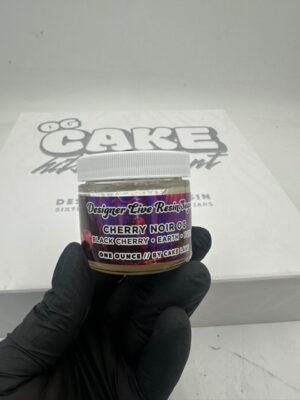
Product packaging can provide important information about a particular batch. Depending on local regulations, labels may identify the product name, net weight, cannabinoid concentration, batch number, manufacturer, production date, and testing information.
A compliant label may also include warnings and age restrictions required by the applicable jurisdiction.
The batch number is particularly useful because it can connect the physical product to its laboratory report. When available, this connection allows the listed cannabinoid and contaminant results to be checked against the specific material being examined.
Preserving Aromatic Characteristics
Aromatic compounds are sensitive to environmental conditions. Heat can accelerate chemical changes, while repeated exposure to air may gradually alter the profile of volatile compounds.
Light exposure can also affect cannabis-derived materials over time. Consequently, packaging that limits exposure to environmental factors can help maintain the original characteristics of the concentrate.
Storage recommendations supplied by the manufacturer remain the most appropriate reference because different formulations and containers can have different requirements.
Consistency Across the Product Life Cycle
The physical appearance of live resin sugar does not necessarily remain identical from the moment of production until later storage.
Temperature fluctuations can change firmness, crystallization, and terpene distribution. Handling can also alter the arrangement of the material inside its container.
These changes can occur without necessarily indicating that the concentrate has been replaced or reformulated. Nevertheless, unusual changes in color, odor, packaging integrity, or labeling should be considered separately from ordinary texture changes.
Product Documentation
Reliable product documentation adds useful context to a concentrate. A laboratory report can identify measured cannabinoid concentrations and may provide additional information about terpenes and contaminants.
Manufacturing documentation can also establish details about the batch, testing date, and applicable production standards.
When product information is available from multiple sources, batch-specific documentation is generally more informative than generalized descriptions because it relates directly to the material in question.
Legal and Regulatory Context
Cannabis concentrate regulations vary substantially between jurisdictions. Some locations permit particular cannabis products under regulated frameworks, while others restrict possession, distribution, or production.
Age requirements and labeling standards can also differ. In addition, rules concerning transportation may apply even where cannabis products are otherwise permitted.
The applicable local laws therefore determine whether possession or purchase is lawful in a particular location. Product descriptions do not replace official regulatory information.
A Closer Look at Product Variability
Natural agricultural products rarely remain completely uniform across every harvest. Cannabis is no exception.
Genetic variation, environmental conditions, cultivation practices, harvest timing, and processing can all contribute to differences between batches. Consequently, two containers carrying the same product name may have somewhat different aromas, colors, terpene percentages, or cannabinoid concentrations.
Such variation is one reason batch-specific testing is valuable when precise product information is required.
Reading a Certificate of Analysis
A certificate of analysis can contain several categories of laboratory information. The cannabinoid section may list THC, THCA, CBD, CBDA, CBG, or other measured cannabinoids.
Terpene sections can identify individual aromatic compounds and their concentrations. Safety panels may address pesticides, heavy metals, microbial contamination, residual solvents, and other regulated substances.
The laboratory’s name, testing date, sample identification, and batch number can also help establish whether the report corresponds to the product being examined.
OG Cake Designer Live Resin Sugar can be understood as a cannabis concentrate characterized by a sugar-like physical consistency and a production approach associated with freshly preserved cannabis material.
Its precise chemical profile cannot be established from the product name alone. Instead, cannabinoid testing, terpene analysis, batch information, and manufacturer documentation provide the relevant details for a specific package.
The concentrate’s appearance may range from granular to crystalline, while its color and aroma can vary according to production and storage conditions. These characteristics can change naturally over time as environmental factors interact with the material.
From Plant Material to Concentrate
The characteristics of live resin sugar begin with the cannabis plant itself. Before extraction occurs, the plant contains cannabinoids, terpenes, flavonoids, and other naturally occurring compounds. The combination of these substances contributes to the chemical profile of the finished material.
Unlike conventional cured material, live resin production generally involves preserving freshly harvested cannabis at low temperatures. This preservation stage is intended to limit changes that can occur while plant material dries.
After preservation, the material enters an extraction process. Different manufacturers may use different equipment, solvents, temperatures, pressures, and purification techniques. Because of those differences, products described using the same general concentrate category can still have noticeably different characteristics.
The Role of Cultivar Genetics
Genetics provide the foundation for a cannabis plant’s chemical profile. Different cultivars can naturally produce different ratios of cannabinoids and terpenes.
The name associated with a product may reference a particular cultivar or lineage, but names are not laboratory measurements. Actual cannabinoid and terpene concentrations can only be established through appropriate analytical testing.
Environmental conditions can influence the expression of those genetics as well. Light, temperature, nutrition, growing medium, harvest timing, and cultivation practices may all contribute to differences in the resulting plant material.
Changes During Processing
Processing can alter the physical and chemical characteristics of cannabis extracts. Compounds may be concentrated, separated, or redistributed during different stages of extraction and refinement.
Temperature is particularly relevant because cannabinoids and volatile aromatic compounds respond differently to heat. Manufacturers therefore select processing conditions according to the characteristics they are attempting to preserve or produce.
The final sugar-like consistency is also influenced by post-extraction handling. Crystallization and terpene distribution can affect whether the material appears dry, wet, granular, or more fluid.
Understanding Color Variation
Color can provide a general visual description, but it does not establish cannabinoid concentration or overall composition.
Live resin sugar may display pale yellow, golden, amber, or other shades depending on the source material and processing conditions. Exposure to oxygen, heat, and light can also influence appearance over time.
For that reason, a difference in color between two batches does not automatically establish a difference in potency. Laboratory analysis remains necessary for quantitative information.
Aromatic Compounds in Focus
Terpenes are among the compounds responsible for the distinctive aromas associated with cannabis. Different combinations can produce noticeably different sensory impressions.
Some terpene profiles are associated with citrus-like notes, while others can produce earthy, floral, pine-like, herbal, or spicy characteristics. However, these descriptions should be connected to actual laboratory findings whenever precise information is required.
The aromatic profile can also change during storage. Volatile compounds may gradually decrease or transform when exposed to unfavorable environmental conditions.
The Importance of Batch Numbers
A batch number provides an important connection between a physical cannabis product and its manufacturing records.
When a certificate of analysis is available, its identification number can be compared with the number printed on the packaging. This helps establish whether the laboratory results correspond to the particular batch under consideration.
Batch information is especially useful because cannabinoid and terpene concentrations can vary between production runs. General product descriptions cannot account for every batch-specific difference.
Net Weight and Label Accuracy
Net weight describes the quantity of material contained within the package. It should not be confused with cannabinoid weight or total cannabinoid concentration.
A package containing a particular mass of concentrate can have a different cannabinoid percentage from another package with the same net weight. Therefore, both measurements provide different types of information.
Accurate labeling allows consumers, regulators, laboratories, and manufacturers to identify the contents more consistently.
Packaging Integrity
The condition of packaging can provide useful information about whether a product has remained properly contained.
A secure container helps limit exposure to air and environmental contaminants. Packaging can also reduce unnecessary contact with light and moisture, depending on its design.
Labels should remain readable, and important information such as batch identification and testing details should remain available throughout the product’s storage period.
Environmental Factors
Temperature, humidity, oxygen, and light can all influence cannabis-derived concentrates.
Temperature changes can affect texture and viscosity. Humidity can influence materials that are sensitive to moisture. Oxygen exposure can contribute to gradual chemical changes, while light can affect certain compounds over extended periods.
These factors explain why the physical appearance of a concentrate may change without the underlying product category changing.
Distinguishing Appearance From Composition
Visual inspection can describe a concentrate, but it cannot provide a complete chemical analysis.
A crystalline texture does not establish a particular THC percentage. Likewise, a golden appearance does not confirm a specific terpene concentration.
Laboratory instruments are required to measure cannabinoids and identify many of the compounds relevant to product testing. This distinction is important when product information is being evaluated objectively.
Safety Testing Categories
Depending on local regulations, cannabis concentrates may undergo testing for several categories of contaminants.
Residual solvent analysis can determine whether regulated extraction-related compounds remain above permitted limits. Pesticide testing can identify certain agricultural chemicals. Heavy-metal testing can address substances such as lead, arsenic, mercury, and cadmium.
Microbial testing may also be performed depending on applicable standards. The exact testing requirements vary according to jurisdiction and product category.
Interpreting Potency Information
Cannabinoid potency is commonly expressed as a percentage or as a quantity of cannabinoids per unit of product. The exact labeling format depends on the jurisdiction.
THC-related measurements may include THC itself and its acidic precursor, THCA. Laboratory calculations can account for the conversion between these forms when reporting total potential THC.
Because terminology and calculation methods can differ, the laboratory report and applicable labeling standards provide the clearest reference for interpreting a specific result.
Why Individual Experiences Differ
Cannabis products can affect individuals differently. Factors such as previous exposure, individual sensitivity, cannabinoid concentration, and the composition of the product can contribute to different experiences.
A product description cannot predict an individual’s response. Likewise, a cannabinoid percentage does not provide a complete description of how a particular person will respond.
This variability is one reason product information is best presented as factual composition and manufacturing information rather than as a guaranteed experience.
Responsible Information for Adult Consumers
Cannabis concentrates are generally subject to age restrictions and other legal requirements. The specific rules depend on the jurisdiction where the product is possessed, sold, transported, or consumed.
Labels may contain additional warnings relating to age, pregnancy, impairment, storage, or other regulated concerns. Those warnings should be considered alongside the applicable local requirements.
Where cannabis remains restricted, possession or distribution can carry legal consequences regardless of how a product is labeled.
Product Knowledge in Context
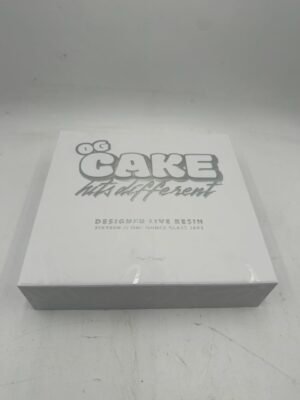
OG Cake Designer Live Resin Sugar represents a concentrate format that combines cannabis-derived cannabinoids and aromatic compounds with a characteristic sugar-like physical structure.
Its identity is shaped by several factors, including plant genetics, harvest conditions, preservation, extraction, post-processing, packaging, and storage. Each stage can influence the final material.
Therefore, a complete understanding of a particular package depends on more than its name or appearance. Batch documentation and laboratory testing provide the most specific information about its composition.
Final Product Perspective
The defining features of OG Cake Designer Live Resin Sugar can be considered from several perspectives: its live-resin production approach, its granular sugar-like consistency, its potential terpene complexity, and the batch-specific chemical information associated with it.
At the same time, natural variation should be expected. Color, texture, aroma, cannabinoid levels, and terpene concentrations may differ between production batches.
For precise information, the product label and corresponding laboratory documentation remain the appropriate references. Together, these sources provide a clearer picture of what a specific batch contains and how it was documented.
Reviews
There are no reviews yet.