





NO NAME 2G DISPOSABLE


Price range: $30.00 through $1,300.00
The No Name 2G Disposable is a compact, single-use vaping device designed around a 2-gram liquid capacity. Its disposable format combines the device and pre-filled reservoir into one unit, so there is no separate tank, refill bottle, or replacement cartridge involved.
No Name 2G Disposable
Product Overview
The No Name 2G Disposable is a compact, single-use vaping device designed around a 2-gram liquid capacity. Its disposable format combines the device and pre-filled reservoir into one unit, so there is no separate tank, refill bottle, or replacement cartridge involved.
The simple construction gives the product a straightforward appearance. Rather than relying on a large external battery system, the device is built around an integrated power source and pre-filled chamber. Once the available contents or battery capacity has been exhausted, the complete device is typically treated as a disposable unit.
The “2G” designation generally refers to the approximate amount of material contained in the reservoir. Actual specifications can vary by manufacturer, production batch, flavor, formulation, and regional version. For that reason, packaging information remains the most reliable source for confirming the exact contents of a particular unit.
Compact Device Design
The No Name 2G Disposable follows the familiar compact format associated with portable vaping products. Its small footprint allows the device to fit easily into a pocket, bag, or other personal storage space.
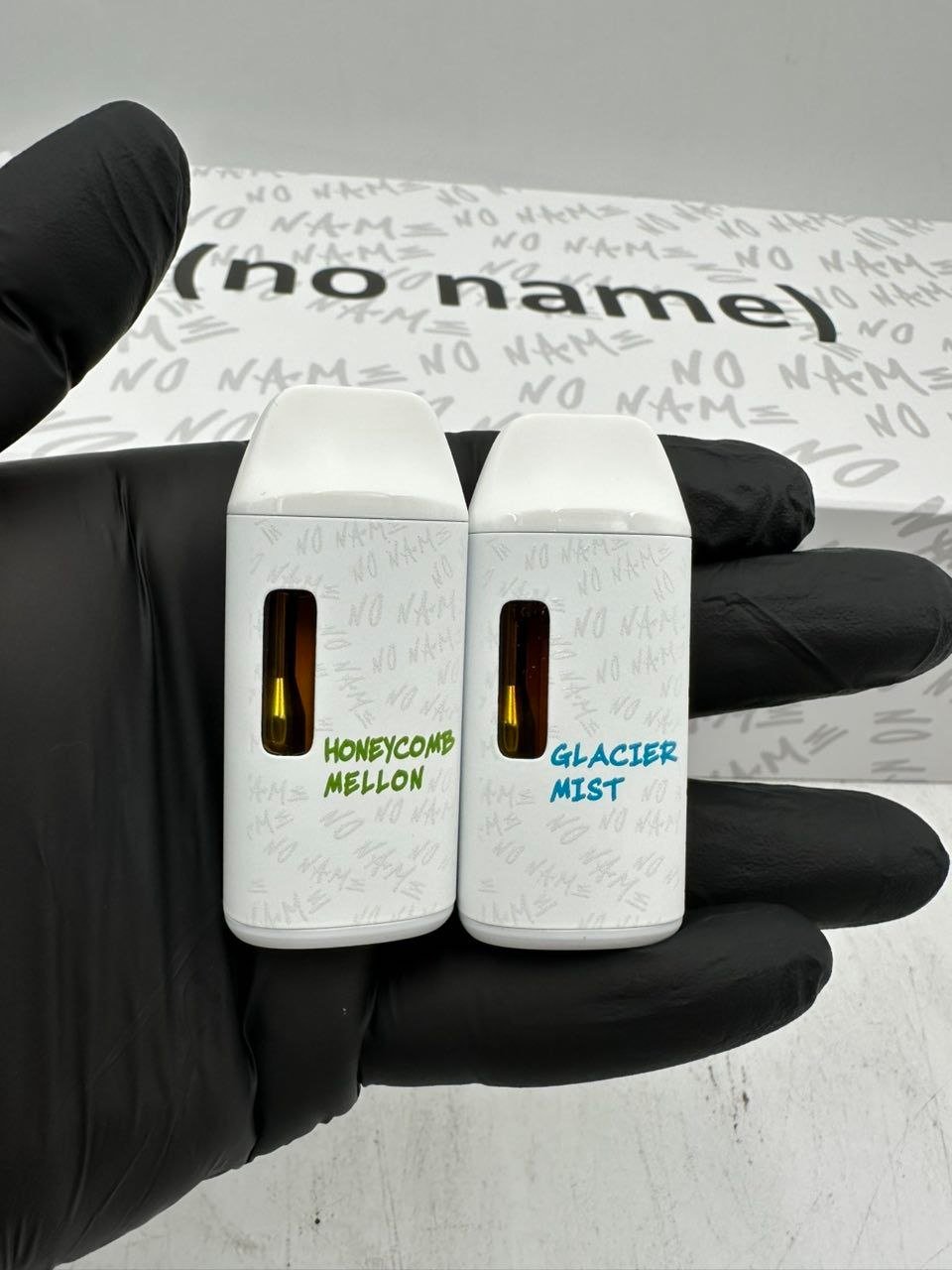
The exterior may feature a simple body with printed branding and product information. Because designs can differ between versions, the appearance of a particular unit may not always match photographs found elsewhere.
The integrated construction keeps the number of separate components low. There is generally no detachable tank or external cartridge to manage. Instead, the internal reservoir and battery are contained within the same device.
This construction also gives the product a consistent form from the first use through the end of its usable life. In addition, the enclosed format reduces the number of parts that need to be handled separately.
2G Capacity
The 2-gram capacity is one of the defining specifications associated with this product name. Capacity describes the approximate quantity held within the device rather than guaranteeing a particular number of uses.
Actual consumption varies considerably between users and devices. Puff duration, frequency, airflow, temperature, formulation, and battery performance can all influence how quickly the contents are used.
Therefore, the stated capacity should be viewed as a product specification rather than a precise prediction of longevity. Packaging should be checked for the manufacturer’s stated quantity and any additional information concerning the formulation.
Internal Construction
A disposable vaping device generally contains several integrated components. These commonly include a battery, heating element, reservoir, mouthpiece, airflow path, and electronic activation system.
The heating element is responsible for producing the aerosol when the device is activated. Depending on the particular model, activation may occur automatically when airflow is detected.
The reservoir stores the liquid or formulation until it reaches the heating area. Meanwhile, the battery supplies the electrical power required by the heating element.
Because these components are enclosed within one housing, the product does not have the same modular structure as a reusable vape system. Once the internal components reach the end of their usable life, individual parts generally are not intended to be replaced by the consumer.
Exterior Appearance
The exterior presentation of the No Name 2G Disposable can vary depending on the specific production version. Packaging and body graphics may change over time, particularly when different batches or flavors are released.
A typical disposable format has a narrow body with a mouthpiece positioned at one end. The opposite section houses the internal battery and associated electronics.
Printed information may include the product name, capacity, flavor or formulation details, warnings, manufacturer information, and other labeling required for the applicable market.
Because unofficial product photographs can differ from current packaging, the physical unit and its original packaging should be considered the primary references when identifying a specific version.
Airflow and Vapor Production
Airflow is an important part of any disposable vaping device because it influences how the heating system operates. The No Name 2G Disposable uses an internal airflow pathway designed to move air through the device during use.
The resulting aerosol characteristics can depend on several factors. These include the heating element, formulation, airflow design, battery output, and duration of each draw.
Consequently, two units with the same stated capacity may not necessarily produce identical vapor characteristics. Manufacturing differences and formulation variations can also affect the experience.
Battery System
The device incorporates an internal battery rather than requiring a separate power source. This keeps the overall design compact and eliminates the need for an external battery compartment.
Battery performance depends on the internal cell, electronic components, operating conditions, and usage pattern. A device may reach the end of its usable life because the reservoir has been depleted, the battery can no longer provide sufficient power, or another internal component has reached its limit.
The exact battery specifications should be confirmed through the original manufacturer’s labeling where available.
Flavor and Formulation Information
Specific flavor or formulation information should be verified from the individual product packaging. The name “No Name 2G Disposable” alone does not establish the exact contents of every version sold under that description.
Different versions may contain different formulations. Likewise, regional requirements can affect labeling and available ingredients.
For this reason, ingredient panels, cannabinoid or nicotine declarations where applicable, laboratory information, manufacturer details, and warning statements should be reviewed directly on the package.
Portable Format
The compact construction is one of the defining characteristics of disposable devices. Compared with larger reusable systems, this format generally requires fewer accessories and less external equipment.
There is no separate tank to carry, and the device is supplied as a self-contained unit. This makes its physical design relatively straightforward.
However, portability does not remove the need for appropriate storage. Heat, excessive moisture, physical damage, and prolonged exposure to unsuitable conditions can affect electronic devices and their contents.
Everyday Storage Considerations
Storage conditions can influence the condition of a disposable vaping device. A cool, dry environment away from excessive heat is generally more appropriate than locations exposed to direct sunlight or high temperatures.
The device should also remain away from children and animals. Its small size and integrated battery mean that it should be treated as an electronic product rather than an ordinary disposable object.
Packaging can provide additional storage recommendations specific to the product formulation and battery system.
Product Identification
Correct identification is particularly important when multiple disposable products have similar names or appearances. The original packaging can provide information that is not visible from the device itself.
Relevant details may include the product name, batch information, manufacturing information, capacity, ingredients, warnings, and other regulatory markings.
Where a verification code or authenticity feature is provided by the manufacturer, that information can also be relevant when checking the identity of a particular unit.
Manufacturing Variations
Disposable products can experience visual and technical changes between production batches. Packaging artwork may change, exterior finishes can differ, and internal components may be updated.
These differences do not necessarily mean that two products are unrelated. However, they make it important to avoid assuming that every unit with the same general product name has identical specifications.
The manufacturer’s current packaging remains the strongest reference for confirming the characteristics of an individual unit.
Packaging Details
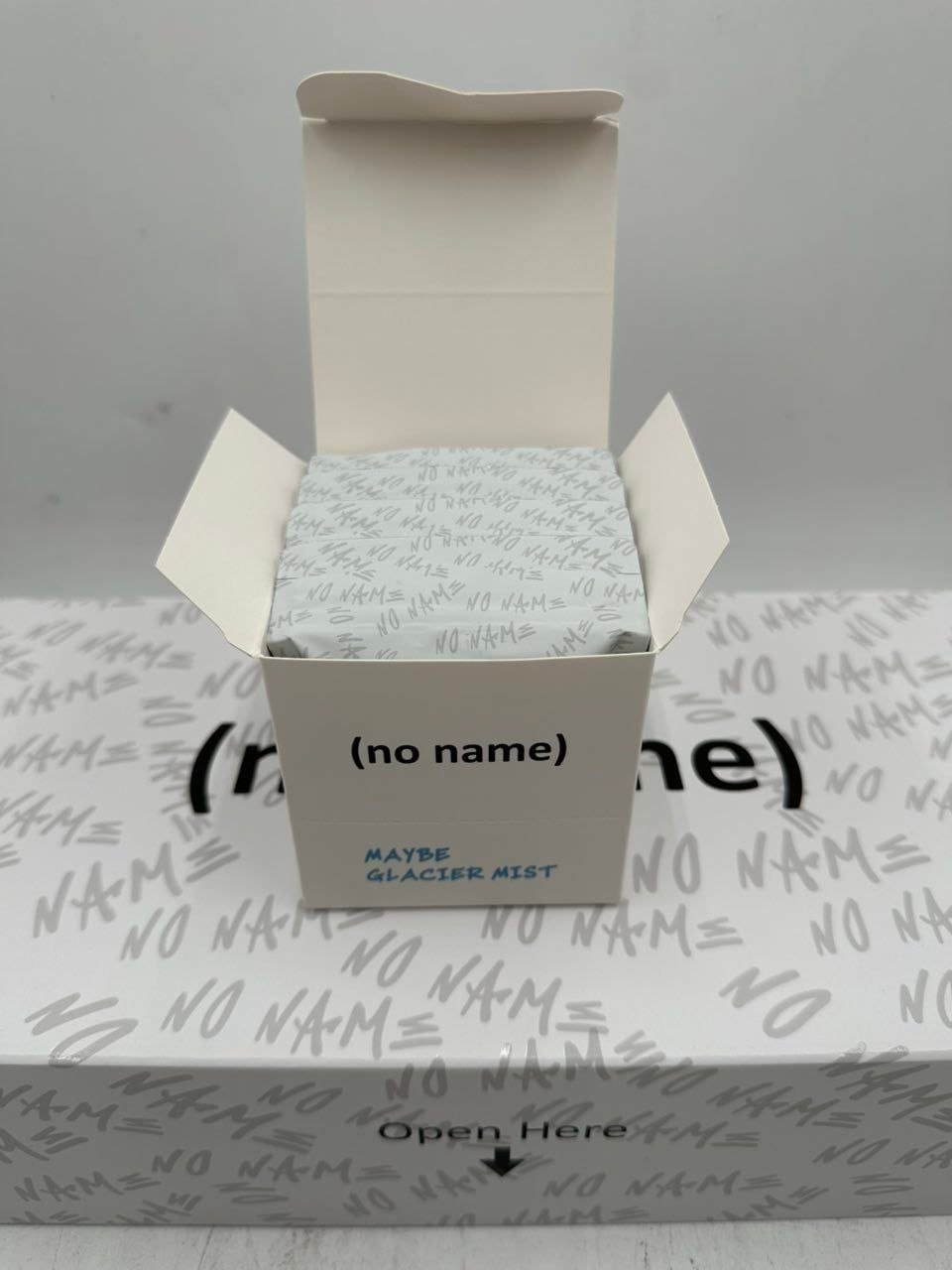
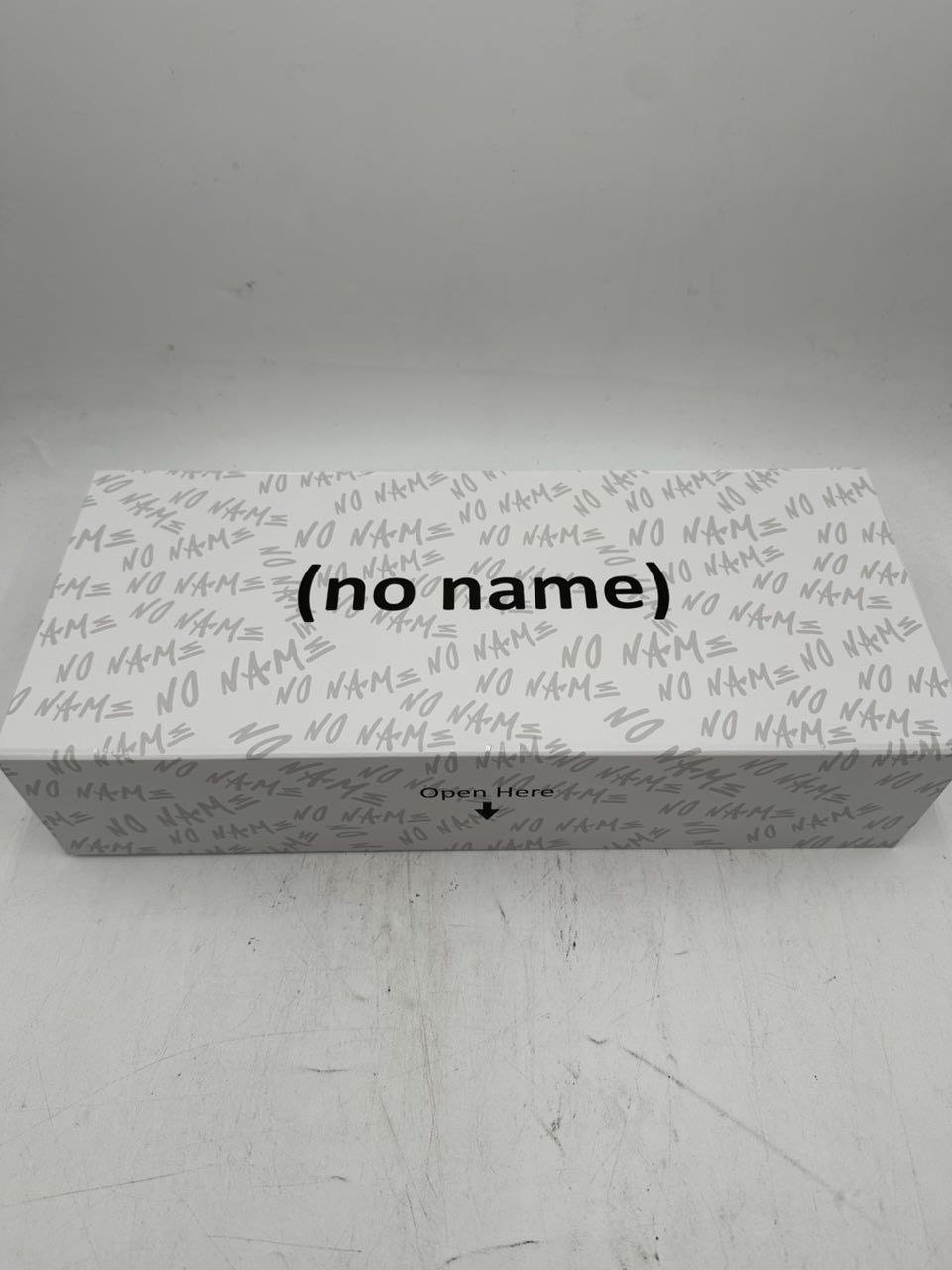
Packaging serves several purposes beyond presentation. It can contain the product identification information, capacity declaration, formulation details, safety warnings, manufacturer information, and applicable regulatory statements.
A sealed package can also provide useful information about whether the product has been handled before purchase.
Because packaging requirements differ between jurisdictions, the information printed on one regional version may not be identical to another.
Disposable Construction
Unlike refillable systems, a disposable device is designed around a limited service life. The reservoir is supplied in advance, while the battery and electronic components are integrated into the same housing.
This arrangement simplifies the physical design but also means that the device is not intended to function as a long-term reusable platform.
Once the product reaches the end of its intended service life, it should be handled according to applicable electronic-waste and battery-disposal requirements.
Safety and Handling Information
A disposable vaping device contains an electronic battery and should therefore be handled carefully. Damage to the casing, signs of leakage, unusual heat, swelling, or other abnormal behavior can indicate that the device should no longer be used.
The product should remain away from extreme temperatures and sources of ignition. It should also be kept out of reach of children and pets.
Applicable warnings on the manufacturer’s packaging should take priority over generalized product information because the exact formulation and hardware can vary.
Regulatory Information
Regulatory requirements for vaping products differ substantially between countries and regions. Requirements can concern labeling, ingredients, packaging, age restrictions, nicotine concentration, battery standards, advertising, and disposal.
Consequently, the presence of a particular product name does not establish that the product is permitted for sale or use in every location.
Local laws and the product’s original labeling provide the appropriate reference for regulatory questions.
What the 2G Label Means
The “2G” portion of the product name indicates an approximate two-gram capacity according to the product’s stated specification. It should not automatically be interpreted as two grams of a particular active ingredient.
Capacity and active-ingredient concentration are separate pieces of information. The exact formulation needs to be confirmed from the label.
This distinction is important because products with similar capacities can contain substantially different formulations.
Device Longevity
The usable lifespan of a disposable cannot be determined solely from its advertised capacity. Individual usage patterns can have a significant effect.
Longer draws generally consume more material than shorter draws. Frequent use can also reduce the operating period more quickly.
Battery performance introduces another variable. Depending on the device design, the battery may become depleted before all of the reservoir contents can be consumed.
For that reason, capacity should be understood as a specification rather than a guaranteed duration.
Physical Characteristics
The compact body typically gives the No Name 2G Disposable a lightweight profile. Its enclosed construction keeps the main components together and avoids the bulk associated with larger multi-part systems.
The mouthpiece forms the primary contact point during use, while the lower section generally contains the battery and electronics.
Exact dimensions and weight should be obtained from the manufacturer’s current specification sheet when precision is required.
Quality and Consistency
Consistency depends on manufacturing controls, component quality, formulation, storage, and transportation. A product’s printed specifications provide the starting point for understanding its intended characteristics.
Differences between individual units can sometimes occur because electronic components and liquid formulations are manufactured within normal production tolerances.
Authentic packaging, intact seals where applicable, and clear product labeling can help establish the identity of a particular unit.
Disposal Considerations
Because the device contains an integrated battery and electronic components, it should not automatically be treated like ordinary household trash.
Electronic-waste requirements vary by location. Battery-containing products may require separate collection or specialized disposal.
The appropriate disposal route depends on local regulations and available collection services. Manufacturer instructions should also be considered when they are provided.
The No Name 2G Disposable is a compact, pre-filled vaping device built around a 2-gram capacity and an integrated battery system. Its single-unit construction brings together the reservoir, heating components, electronics, airflow system, and mouthpiece within one portable housing.
The product’s exact characteristics depend on the specific version, formulation, production batch, and market. Therefore, the original packaging remains the best source for confirming capacity, ingredients, warnings, manufacturer information, and other specifications.
Its disposable architecture distinguishes it from refillable devices because the main components are designed to remain together throughout the product’s usable life. Once the device reaches the end of that life, appropriate battery and electronic-waste handling becomes relevant.
Overall, the No Name 2G Disposable can be described primarily through its compact construction, integrated components, stated 2-gram capacity, and limited-use format. Specific flavor, formulation, battery specifications, dimensions, and other technical details should be verified against the particular unit and its manufacturer’s labeling.
A Closer Look at the 2G Format
The 2G format gives the No Name Disposable a larger stated capacity than many smaller disposable devices. The designation refers to the approximate quantity contained within the internal reservoir, although the precise specification depends on the particular product version.
Capacity alone does not determine how long a device remains usable. Individual habits, draw length, frequency of use, airflow, heating performance, and battery output can all influence the operating period.
For that reason, the 2G specification is best understood as a measurement of the product’s contents rather than a promise of a specific number of sessions or draws.
Integrated Components and Simplicity
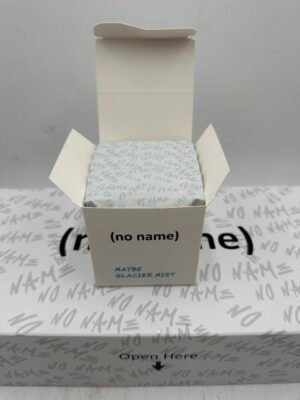
One of the defining characteristics of the No Name 2G Disposable is its integrated construction. The major operating components are contained within one compact housing rather than being separated into interchangeable pieces.
The reservoir holds the product formulation, while the battery supplies energy to the heating element. An airflow channel connects the external mouthpiece with the internal heating area, allowing the device to function as a single coordinated system.
This structure gives the product a straightforward physical profile. At the same time, it means that individual internal components are generally not designed for consumer replacement.
Exterior Build
The outer casing provides protection for the internal components while also giving the device its recognizable physical form. Depending on the specific production version, the casing may feature printed graphics, a matte or smooth surface, branding elements, and product information.
Minor differences in finish can occur between production batches. Packaging artwork may also change when a manufacturer updates its presentation.
Because of these possible variations, the exact appearance should be confirmed against the particular product being offered rather than relying entirely on older photographs.
Mouthpiece Design
The mouthpiece forms the upper contact point of the device and connects to the internal airflow pathway. Its shape contributes to the overall dimensions and handling characteristics of the disposable.
Different production versions may use slightly different mouthpiece shapes or materials. Even when the external design changes, the basic purpose remains the same: providing an opening through which the aerosol exits the internal system.
The mouthpiece is integrated into the disposable structure, so it is not normally treated as a separate replaceable accessory.
Airflow Architecture
Airflow plays an important role in the operation of a disposable vaping device. When the device is activated, air travels through the designated internal pathway toward the heating area before reaching the mouthpiece.
The exact airflow design can affect the draw characteristics and overall aerosol production. Small differences in airflow resistance may be noticeable between different devices or batches.
Since internal engineering specifications are not always publicly provided, the manufacturer’s documentation remains the appropriate source for detailed airflow information.
Heating Technology
The internal heating element converts electrical energy from the battery into heat. That heat interacts with the formulation supplied from the reservoir, producing the aerosol that travels toward the mouthpiece.
Heating performance depends on the element itself, battery output, airflow, formulation characteristics, and internal construction.
A consistent relationship between these components is important for normal device operation. However, technical details such as coil material, resistance, wattage, and temperature control should not be assumed unless they are specifically stated by the manufacturer.
Battery Integration
The integrated battery allows the device to operate without an external power system. This approach contributes to the compact design commonly associated with disposable products.
Battery behavior can vary according to the cell used, electronic controls, environmental conditions, and usage frequency.
The device should be protected from physical impact and extreme temperatures. Signs such as swelling, unusual heat, damaged casing, or other abnormal behavior warrant caution and should be addressed according to applicable safety guidance.
Capacity Versus Actual Usage
A stated 2G capacity provides useful information about the quantity contained in the product, but it does not establish a guaranteed lifespan.
Two people can use identical devices for different lengths of time because consumption patterns vary. Longer draws generally consume more material, while frequent sessions can reduce the remaining contents more quickly.
Battery performance can also influence the effective lifespan. Therefore, the capacity figure should be considered alongside the device’s battery and hardware characteristics.
Packaging as a Reference Point
The package associated with a specific No Name 2G Disposable can provide important details that are not visible on the device itself.
Depending on the market, packaging may identify the formulation, capacity, ingredients, warnings, manufacturer or distributor, batch information, and other regulatory details.
Packaging can also distinguish one version from another when several products share similar exterior designs.
For accurate product identification, the current package should take priority over third-party descriptions that may refer to an earlier version.
Batch-to-Batch Differences
Manufacturing processes can evolve over time. A later production batch may have revised artwork, updated components, different packaging, or other changes.
Such differences can occur without changing the basic product category. However, technical specifications should not be assumed to remain identical across every production period.
Batch information can therefore be useful when comparing individual units or verifying product details.
Formulation Details
The phrase “2G Disposable” describes a capacity category rather than a complete description of the formulation.
The exact contents depend on the product version and labeling. Different units may contain different ingredients, concentrations, or flavor profiles.
For that reason, a product description should not assign specific ingredients or active compounds to the device unless those details have been confirmed through reliable manufacturer information.
The packaging provides the most direct reference for the exact formulation of a particular unit.
Visual Presentation
The No Name name suggests a relatively straightforward branding approach, but the actual visual presentation can differ between versions.
Some units may use minimalist graphics, while others may include stronger colors, illustrations, flavor references, or additional printed details.
The visual identity can also change as packaging is redesigned. Consequently, product photographs should be treated as representative unless they are confirmed to show the current version.
Portability and Physical Size
Disposable devices are generally designed around portability, and the No Name 2G format follows that compact approach.
Its integrated construction avoids the need for carrying a separate tank, battery, charging device, or replacement cartridge. This keeps the number of individual components relatively low.
The actual dimensions and weight can vary by hardware design. Manufacturer specifications should therefore be used when exact measurements are required.
Storage Environment
Storage conditions can influence both electronic components and the contents of the reservoir.
Excessive heat may affect the battery and formulation, while moisture can create problems for electronic components. Direct sunlight can also expose the device to temperatures beyond its intended operating environment.
A dry, moderate environment is generally more suitable for electronic products. The original packaging may provide additional storage information for the specific version.
Handling the Device
The disposable construction does not eliminate the importance of careful handling. The casing protects internal components, but significant impact, crushing, puncturing, or unauthorized modification can compromise the device.
The product should remain intact and should not be opened to access its internal battery or reservoir.
Any visible damage should be taken seriously, particularly when it involves the battery housing or signs of leakage.
Authenticity and Product Verification
Products with generic or minimal branding can sometimes be difficult to identify from appearance alone. Packaging information therefore becomes especially useful.
A legitimate package may include manufacturer details, batch information, regulatory markings, or verification features depending on the product and market.
When available, these details can help distinguish the intended product from unrelated items with similar names.
No single visual characteristic should be treated as definitive proof of authenticity unless the manufacturer identifies it as an official verification feature.
Regulatory Differences Between Markets
The availability and labeling of disposable vaping products can vary significantly from one jurisdiction to another.
Rules may address age restrictions, ingredient disclosure, nicotine content, packaging, health warnings, advertising, manufacturing standards, and permitted sales channels.
As a result, information printed on a package intended for one market may differ from information used for another.
The applicable local requirements should therefore be considered when evaluating a particular product.
Product Information and Transparency
Clear product information helps buyers understand what they are looking at before making a purchasing decision.
Important details can include the stated capacity, formulation, manufacturer, batch identification, warnings, and applicable regulatory information.
A description should complement those details rather than replace them. Where information has not been confirmed, it is more accurate to identify it as variable than to assign an unsupported specification.
Differences From Refillable Devices
A disposable device differs from a refillable system primarily through its integrated design and limited service life.
Refillable products generally separate the battery, tank, or cartridge into components that can be maintained or replaced. A disposable combines these elements into one product.
This distinction affects maintenance, replacement, storage, and eventual disposal.
The No Name 2G Disposable therefore represents a different product architecture from a reusable vaping platform, even when both systems perform a similar basic function.
End-of-Life Characteristics
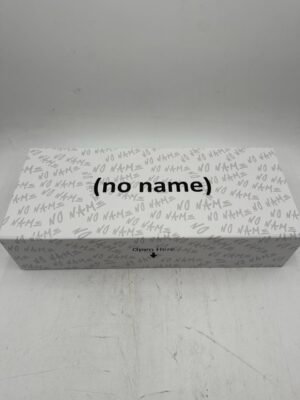
Every disposable device eventually reaches the end of its usable period. This can happen when the reservoir is depleted, the battery is exhausted, or another internal component no longer operates normally.
Because the product contains electronic components and an integrated battery, disposal requirements can differ from those for ordinary household waste.
Local electronic-waste and battery-collection rules provide the appropriate guidance for responsible disposal.
Final Perspective
The No Name 2G Disposable is defined by its compact architecture, integrated battery, pre-filled reservoir, internal heating system, and stated 2-gram capacity.
Its relatively simple construction brings several components together inside one housing. As a result, the product does not require the separate accessories associated with many reusable systems.
At the same time, the exact characteristics of an individual unit should not be assumed from its name alone. Formulation, flavor, dimensions, battery specifications, exterior design, and labeling can vary according to production version and market.
The original packaging remains the most useful reference for confirming those details. In addition, batch information and manufacturer documentation can provide further clarification where precise specifications are needed.
Ultimately, the No Name 2G Disposable can be distinguished by its 2G capacity designation and self-contained design, while its more specific characteristics depend on the particular version being described.
Be the first to review “NO NAME 2G DISPOSABLE”
Related products


THC DISPOSABLE

THC DISPOSABLE
THC DISPOSABLE


THC DISPOSABLE


THC DISPOSABLE

THC DISPOSABLE


THC DISPOSABLE
THC DISPOSABLE
Reviews
There are no reviews yet.