
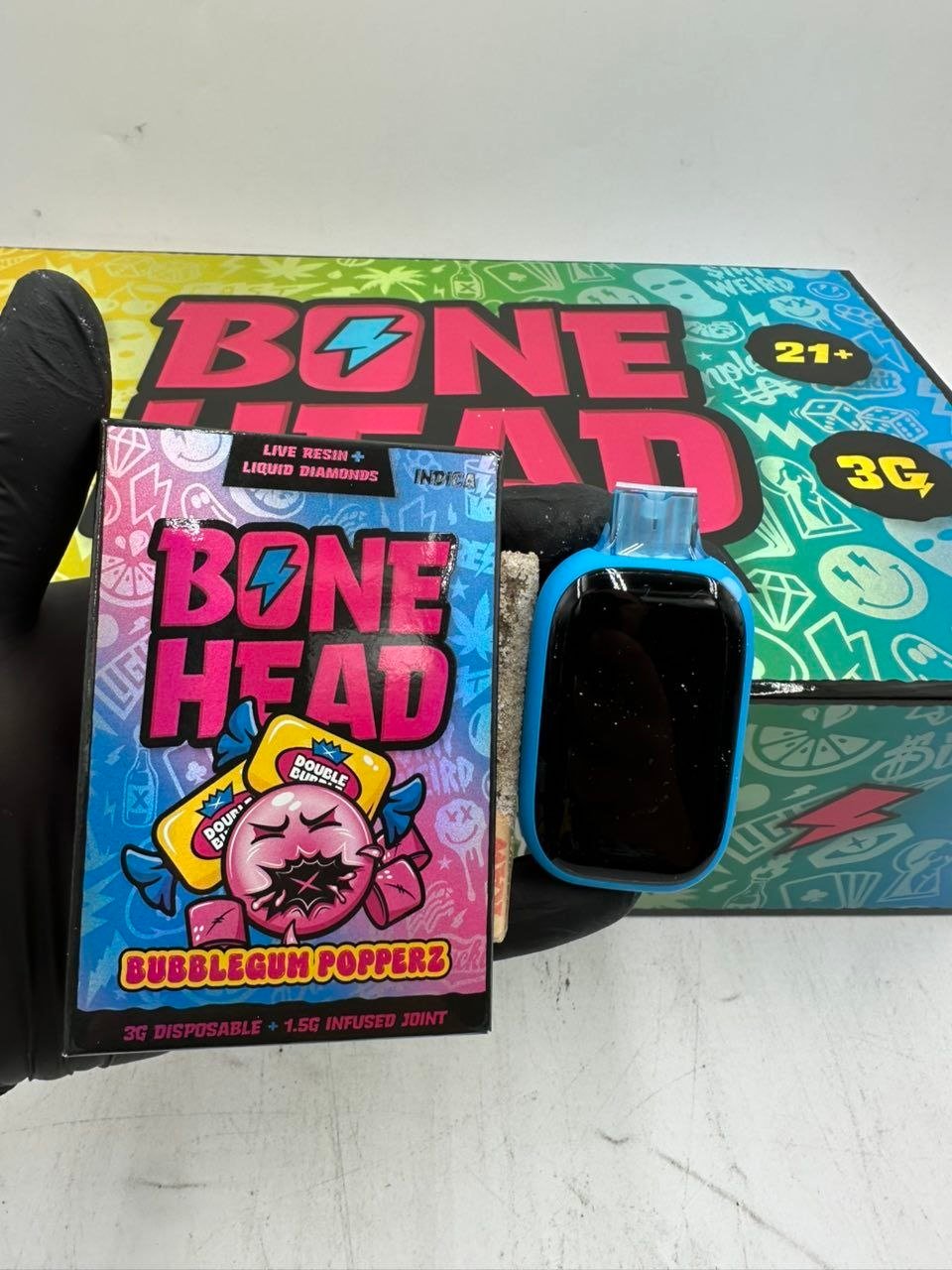
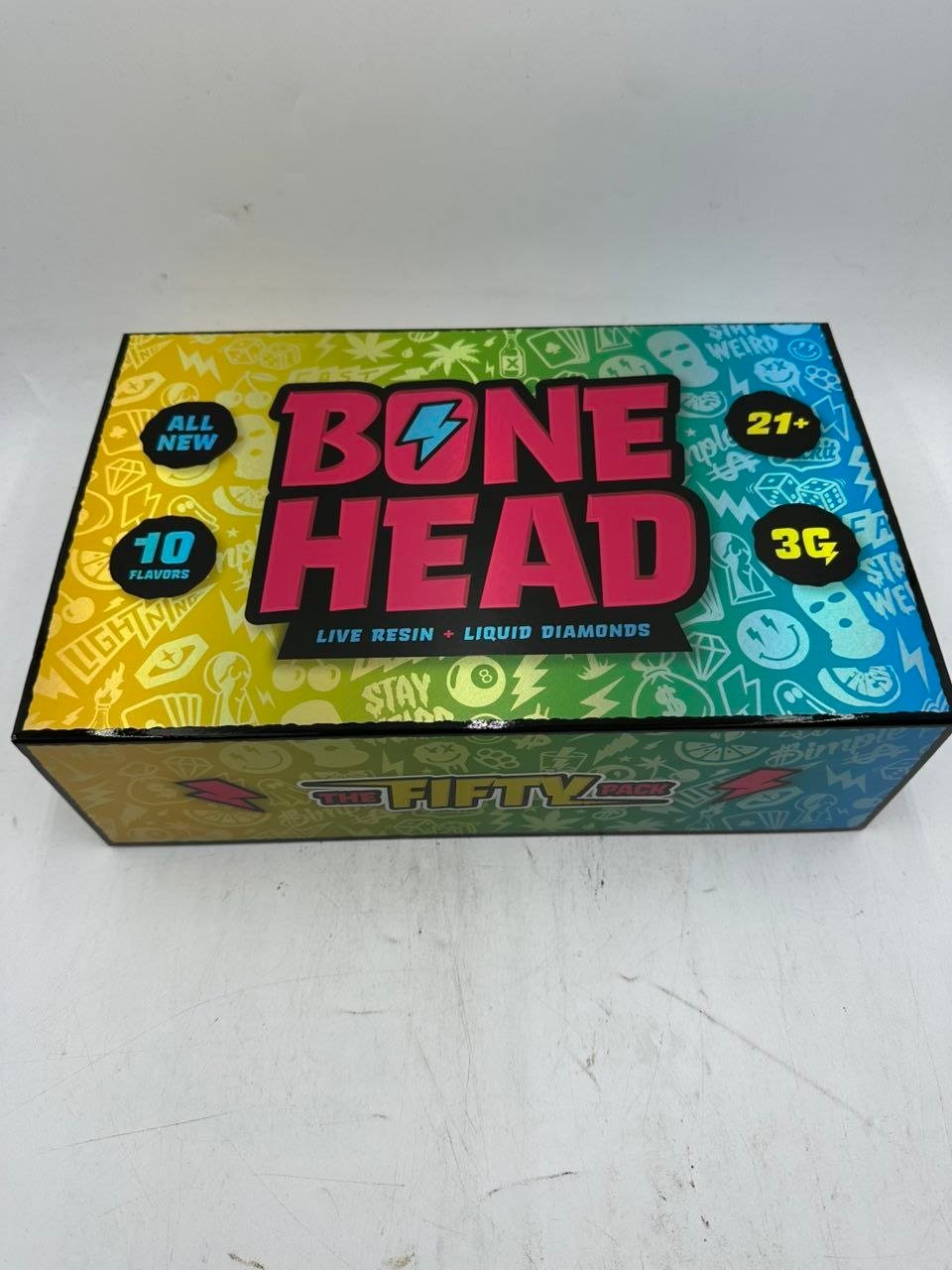
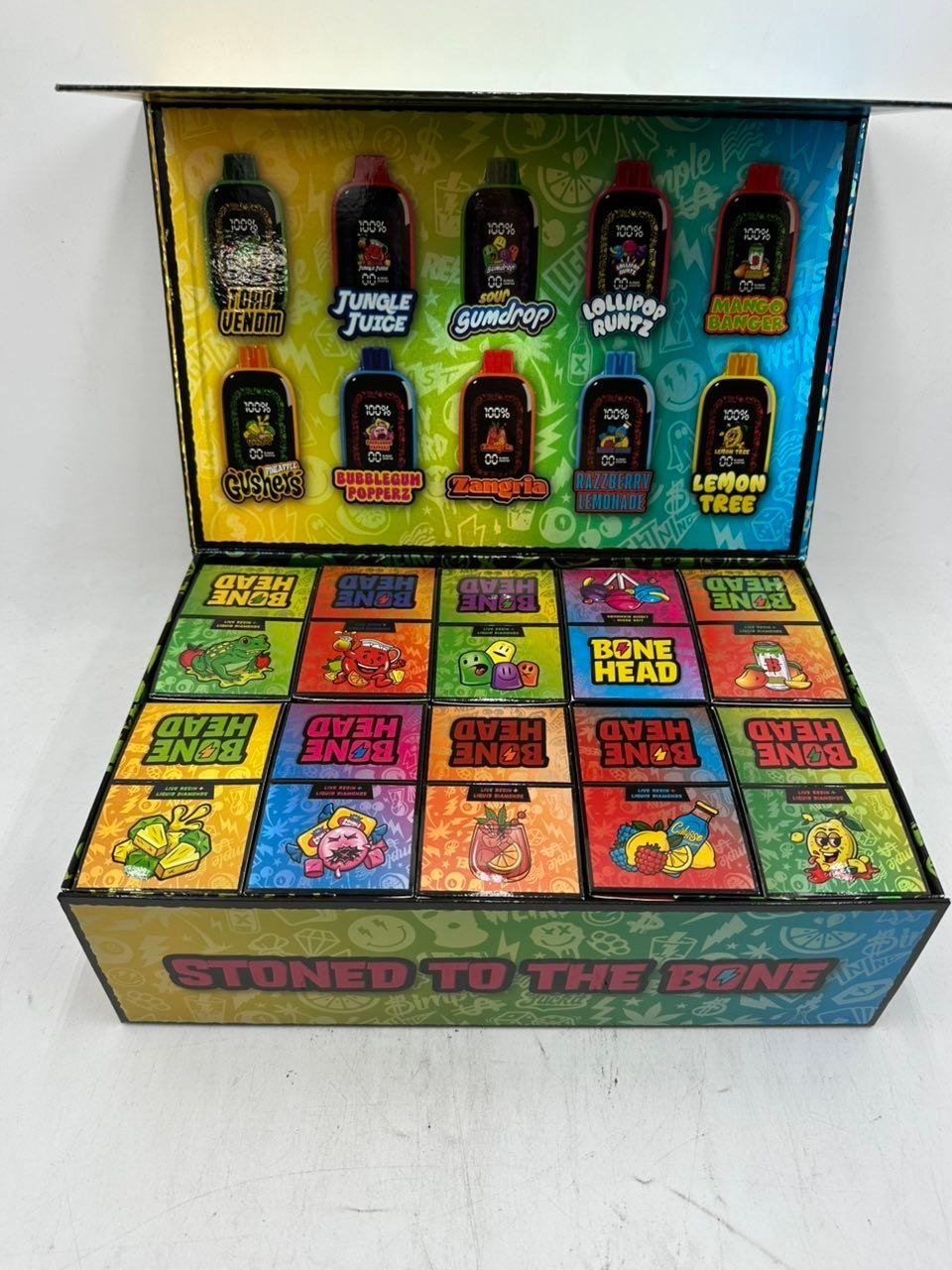
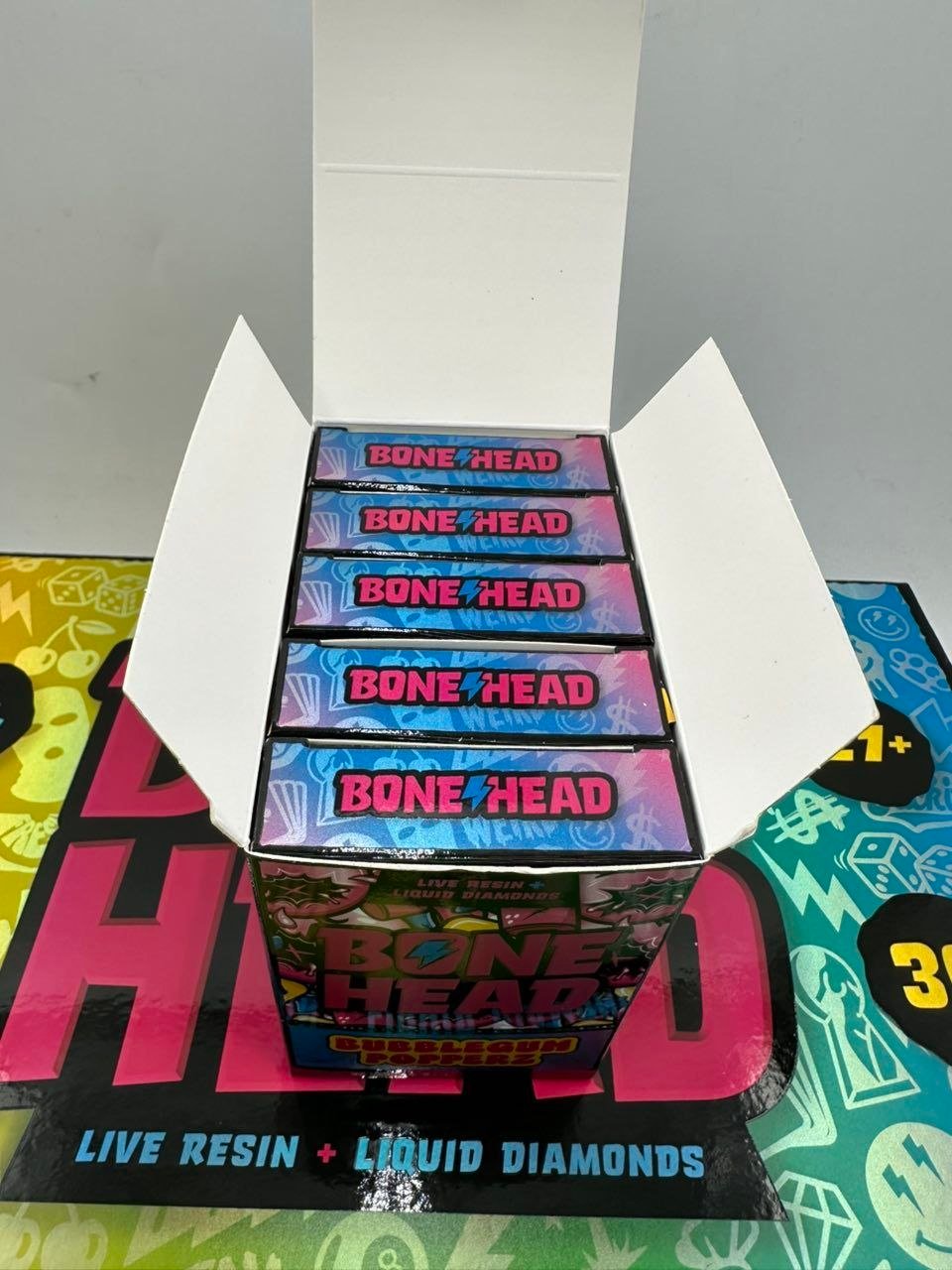
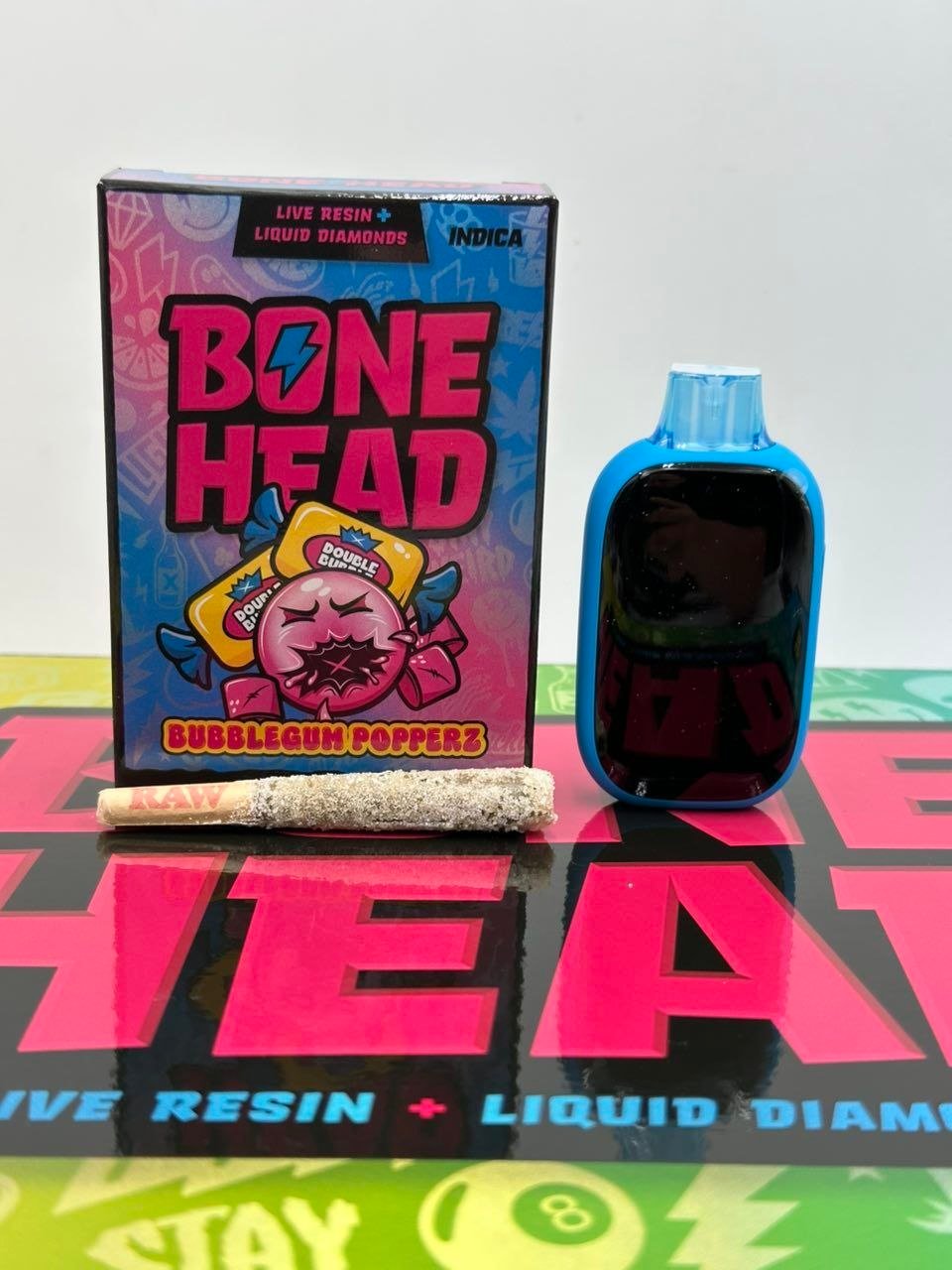






Bone Head 3G Disposable: Product Overview
The Bone Head 3G Disposable is a compact, pre-filled vape device designed around a convenient all-in-one format. Its disposable construction combines the cartridge and battery into a single unit, which creates a straightforward design without the separate components associated with refillable devices. The 3G designation refers to the stated amount of material contained in the product, although the exact contents and formulation can vary by product version, market, and manufacturer.
With its compact profile, the Bone Head 3G Disposable is built around portability. The device can fit easily into a pocket, small bag, or other personal storage space. At the same time, its integrated construction keeps the overall setup relatively simple because there is no separate tank, removable cartridge, or external battery required.
Product details can differ between batches and flavors. Therefore, packaging remains the most reliable source for information about the specific version, including ingredients, cannabinoid or nicotine content where applicable, batch information, manufacturer details, and applicable warnings.
A Compact All-in-One Design
The main feature of a disposable vape is its integrated construction. Instead of requiring a separate battery and cartridge, the Bone Head 3G Disposable places the essential components inside one finished device.
This creates a streamlined physical profile. Moreover, the lack of removable parts gives the product a simple appearance while reducing the number of components that need to be handled separately.
The outer body generally provides a space for the internal battery, heating element, and pre-filled chamber. Depending on the particular version, additional design elements may include an airflow opening, indicator light, mouthpiece, or other hardware features.
Because product specifications can change, the exact hardware configuration should be verified against the packaging supplied with the individual device.
Understanding the 3G Format
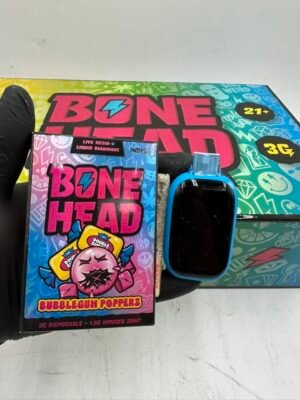
The “3G” designation is an important part of the product name because it identifies the stated quantity associated with the disposable. However, the number alone does not describe the complete formulation.
For example, the total quantity does not necessarily indicate the concentration of any particular active ingredient. Those details depend on the product’s formulation and labeling.
Consequently, users evaluating a particular Bone Head 3G Disposable may find information such as total contents, ingredient lists, laboratory information where applicable, and other product specifications on the packaging.
The actual contents should always be checked before use. Furthermore, regulations governing labeling and disclosure can differ between jurisdictions.
Physical Characteristics
The Bone Head 3G Disposable follows the familiar shape of a compact disposable vape. Its integrated body is intended to keep the device relatively small while housing the internal components needed for operation.
The mouthpiece forms the upper section of the device and provides the point of contact during use. Below that area, the main body houses the pre-filled chamber and battery components.
The exterior may feature branded artwork, printed product information, flavor identification, or other visual details. However, these elements can vary according to the specific release.
The physical presentation is therefore part of the product identity, while the printed packaging provides the more important information about contents and specifications.
Pre-Filled Construction
A defining characteristic of the Bone Head 3G Disposable is its pre-filled format. The internal chamber comes prepared as part of the finished device rather than being designed around user refilling.
This differs from traditional refillable vape hardware, where users may purchase separate liquid or cartridges and maintain the device over time.
The pre-filled construction also means that the formulation inside the device is determined before it reaches the consumer. As a result, the ingredient and concentration information supplied by the manufacturer becomes particularly important.
Where applicable, packaging may identify the type of extract, oil, or other material contained inside the device. Those details should be reviewed carefully because products carrying similar names may not necessarily contain identical formulations.
Battery and Heating System
Disposable vape devices depend on an internal battery and heating element. Together, these components create the basic operating system required to convert the contents of the chamber into an inhalable aerosol.
The battery is contained within the device rather than being designed as a separate removable component. The heating element sits in connection with the chamber and responds when the device is activated according to its particular hardware design.
Some disposable devices use draw activation, while others may incorporate additional controls. The exact mechanism for the Bone Head 3G Disposable depends on the individual model.
Because specifications can change between releases, the manufacturer’s packaging should be treated as the definitive reference for activation, charging, and operating information.
Flavor and Formulation Information
Flavor names and formulations can vary considerably across disposable vape products. A particular Bone Head 3G Disposable may therefore be identified by a flavor, strain-style name, blend, or other product designation.
Names used on packaging do not by themselves establish the chemical composition of a product. Instead, the ingredient panel and manufacturer information provide more useful details.
Where laboratory testing is provided, the accompanying documentation may contain additional information about the measured contents. Such information can be especially useful when comparing different versions of a product.
The flavor profile may also depend on the ingredients used in the formulation. Terpenes, flavoring compounds, extracts, and other ingredients can influence the resulting aroma and taste characteristics.
Packaging and Product Identification
Packaging plays an important role in identifying a specific Bone Head 3G Disposable. The package may contain the product name, quantity, batch or lot information, manufacturing details, ingredient information, warnings, and other regulatory markings.
Some versions may also include a QR code or verification feature. Where present, these features can provide additional product information.
The packaging should remain associated with the device whenever possible. This makes it easier to identify the exact version and review its original labeling.
Additionally, packaging information can help distinguish between products that have similar names but different formulations or specifications.
Quality and Consistency
Consistency in a manufactured vape product can involve several different areas, including physical construction, formulation, labeling, and packaging.
The hardware should correspond with the product description provided by the manufacturer. Likewise, the information printed on the package should identify the contents and relevant specifications for that particular product.
However, no product name alone can establish quality, authenticity, or laboratory results. Those factors require supporting information from the manufacturer, distributor, or applicable testing documentation.
For that reason, consumers evaluating a Bone Head 3G Disposable may want to pay attention to the complete product labeling rather than relying solely on its appearance or name.
Storage Considerations
Storage conditions can affect many types of vape products. Heat, direct sunlight, moisture, and other environmental factors can influence the condition of both the device and its contents.
A suitable storage environment is generally cool, dry, and away from direct sunlight. The device should also remain protected from excessive physical pressure or damage.
Children and pets should not have access to vape products. Likewise, disposable devices should be kept separate from food and other household items.
Storage information supplied by the manufacturer should take priority because different formulations and hardware designs can have different requirements.
Device Appearance
The visual design of a disposable contributes to its overall presentation. Bone Head branding may be displayed across the exterior, alongside information identifying the particular product or variant.
The design can include printed graphics, color combinations, flavor names, quantity information, or other identifying details. These elements may change between releases, so images from one version should not automatically be treated as an exact representation of another.
A product’s physical appearance also provides useful information about its condition. Visible damage, leakage, cracks, or other unusual changes can indicate that a device should not be used.
Disposable Versus Refillable Hardware
The Bone Head 3G Disposable belongs to a category that differs from refillable vape systems. A refillable device normally involves separate hardware, a refillable reservoir, and ongoing maintenance.
A disposable, by contrast, combines the primary components into one unit. This creates a simpler physical arrangement and eliminates the need for routine cartridge replacement.
However, the disposable format also means that the device is not designed to provide the same maintenance options as reusable hardware.
The differences between these formats are mainly related to construction, maintenance, and intended product lifecycle rather than simply appearance.
Product Information and Label Accuracy
Accurate labeling is particularly important for regulated vape products. The product name, stated quantity, ingredients, and concentration information should correspond with the specific item being examined.
Consumers should also consider the jurisdiction where the product is being sold or used. Requirements can differ substantially between locations.
In addition, a product may have different versions intended for different markets. Therefore, information from an unrelated listing or older package may not accurately describe the current item.
The original manufacturer’s labeling remains the most appropriate reference for the exact product in hand.
Responsible Product Awareness
Vape products can contain substances that carry health risks or legal restrictions. The risks depend on the substance, concentration, individual circumstances, and method of use.
For products containing nicotine, nicotine is addictive. Products containing cannabinoids can also produce psychoactive effects depending on their formulation and concentration.
Because regulations differ by jurisdiction, the legal status of a particular product should be checked locally. Age restrictions, possession rules, sales requirements, labeling standards, and permitted formulations can all vary.
A clear understanding of the product’s contents is therefore important before considering any regulated vape product.
Authenticity and Verification
Authenticity is another important consideration with branded disposable devices. Products that imitate established packaging can appear similar while containing different materials or having different hardware.
Packaging details can help with identification. Batch information, manufacturer details, seals, verification systems, and other markings may provide additional evidence about a particular unit.
If a product’s packaging appears inconsistent, incomplete, damaged, or unusually different from the manufacturer’s documented presentation, additional verification may be appropriate.
A product should not be assumed to be genuine solely because its name or artwork resembles an established product.
What Makes the 3G Format Distinct?
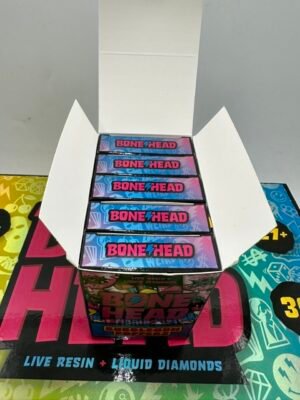
The 3G designation separates this format from smaller-capacity disposable devices. A larger stated capacity can affect the physical size, internal chamber configuration, and expected product lifecycle.
However, capacity should not be confused with potency. The amount of material and the concentration of active ingredients are separate characteristics.
For that reason, the complete label provides more useful information than the capacity figure alone.
The same principle applies when comparing different versions. Two products can have similar capacities while containing different formulations, concentrations, or ingredients.
Product Presentation
The Bone Head 3G Disposable is presented as a self-contained device rather than a collection of separate components. That presentation can make the product visually straightforward and easy to identify.
Branding generally appears on the device and its packaging, while additional product information is supplied through printed labels.
The overall presentation can vary by flavor, release, market, and production batch. Consequently, the specific package remains the best reference for the exact version.
A clear product presentation is particularly useful when several disposable variants have similar names or designs.
General Hardware Considerations
A disposable vape contains several internal components despite its simple external appearance. These may include a battery, heating element, chamber, airflow pathway, and activation mechanism.
These components work together as a single system. Since they are enclosed within the device, users generally do not interact directly with the internal hardware.
This construction also means that visible physical damage can be more significant than it might appear. Cracks, deformation, leakage, or other unusual conditions should be treated carefully.
The device should remain in the condition intended by its manufacturer.
End-of-Life Characteristics
Disposable hardware is designed around a limited product lifecycle. Once the contents have been depleted or the internal battery can no longer operate the device, the product reaches the end of its intended use.
Unlike many reusable systems, a disposable is not primarily designed around replacing individual components.
Disposal should also take local electronic-waste and battery-handling requirements into account. Internal batteries can require different handling from ordinary household waste.
Local regulations should therefore be checked when a disposable device is no longer usable.
Why Product Details Matter
A product description provides useful context, but it cannot replace the physical label or manufacturer documentation.
The exact Bone Head 3G Disposable may differ according to formulation, production batch, market, or release. Therefore, details such as ingredients, concentration, battery specifications, and testing information should be taken from the specific package whenever available.
This approach helps prevent confusion between similarly named products and supports more accurate product identification.
The Bone Head 3G Disposable is a compact, pre-filled vape device built around an integrated battery, heating system, and internal chamber. Its 3G designation identifies the stated quantity associated with the particular product, while the complete formulation depends on the individual version.
Its all-in-one construction distinguishes it from refillable vape systems, and its compact body provides a recognizable disposable format. At the same time, the exact specifications can vary between releases, so packaging and manufacturer information remain essential references.
Details such as ingredients, active-ingredient concentration, flavor, batch information, laboratory documentation, and regulatory warnings should be reviewed for the specific unit.
Overall, the product is best understood through its complete labeling rather than its name or appearance alone. This provides a clearer picture of the particular formulation, hardware configuration, and market-specific information associated with the Bone Head 3G Disposable.
Design Details That Stand Out
The Bone Head 3G Disposable combines several essential components within one compact body. Rather than separating the battery, chamber, and heating system into different pieces, the device brings those elements together in a single finished unit.
This construction gives the product a clean and recognizable appearance. In addition, the enclosed design keeps the internal components protected from ordinary handling during its intended product lifecycle.
The exterior design can differ between flavors and releases. Some versions may feature bold graphics, while others can use simpler branding and product information. Therefore, the exact appearance depends on the specific version being considered.
The physical shape also contributes to portability. Its compact dimensions make the device easier to store than larger multi-component systems, although its actual dimensions should be confirmed from the packaging because hardware specifications can vary.
Inside the Device
Although a disposable appears relatively simple from the outside, several components work together inside the housing.
A battery provides the necessary electrical power. Meanwhile, a heating element interacts with the material contained inside the chamber. An airflow pathway then allows the resulting aerosol to move toward the mouthpiece.
The internal chamber contains the product formulation supplied with the specific version. Because the chamber is sealed as part of the disposable design, its contents are not intended to be treated as a refillable reservoir.
This integrated construction contributes to the straightforward nature of the device. At the same time, it means that the internal components generally cannot be inspected without damaging the housing.
Capacity and What It Represents
The 3G label is one of the most noticeable specifications associated with this product. It indicates the stated quantity connected to the device, but it does not independently describe potency or concentration.
That distinction matters because quantity and strength represent different measurements. A product can contain a particular total amount while having a separate concentration listed on its packaging.
For that reason, the 3G figure is only one part of the overall product specification. Ingredient information, cannabinoid or nicotine concentration where applicable, and other labeling details provide additional context.
Packaging should therefore be reviewed as a complete source of information rather than relying on the capacity number alone.
A Closer Look at the Mouthpiece
The mouthpiece forms the user-facing portion of the device. Its shape and size can influence the overall physical design, while its connection to the internal airflow pathway allows the device to function as an integrated system.
Different production versions can feature slightly different mouthpiece designs. Some may have a more rounded profile, while others can use a flatter or more streamlined shape.
The mouthpiece is also one of the areas that can show signs of contamination or physical damage. Consequently, its condition provides useful information when examining a device.
The exact construction should always be compared with the manufacturer’s product information when available.
Airflow and Internal Construction
Airflow represents another important part of disposable hardware. Air needs to move through the device so that the heating system can produce the intended aerosol.
The internal pathway is generally concealed within the body. As a result, its construction cannot easily be evaluated from the outside.
Variations in airflow design can affect the physical experience of a device, including how easily air passes through the mouthpiece. However, specific airflow characteristics should not be assumed unless they are documented for the particular model.
This is another reason that product specifications should come from the exact package or manufacturer’s documentation.
Different Versions and Releases
Product names can remain similar even when individual releases have different packaging, flavors, hardware, or formulations.
The Bone Head 3G Disposable may therefore appear in multiple versions. Changes can occur as manufacturers update packaging, introduce new varieties, adjust hardware, or produce products for different markets.
Because of these differences, photographs from another release should not automatically be treated as evidence of the specifications of a current unit.
The most accurate identification comes from the combination of the product name, packaging information, batch details, and other markings associated with the specific device.
Flavor Names and Product Identity
Flavor names can be an important part of disposable product identification. However, the name itself does not provide a complete description of the formulation.
A flavor title may describe an intended taste or aroma profile, while the ingredient list provides more precise information about what is contained inside.
Similarly, names associated with particular varieties or extracts should not automatically be interpreted as laboratory measurements.
The distinction between marketing terminology and documented formulation is important when comparing products. Consequently, product labels and available testing documentation provide more reliable information than names alone.
Materials and Construction
The external housing of a disposable device is designed to protect the internal components while maintaining a compact shape.
Inside, the battery and heating components require insulation and structural support. The chamber also needs to remain contained within the housing during the product’s intended lifecycle.
The specific materials used can vary by manufacturer and model. Therefore, claims about particular plastics, metals, coatings, or internal components should only be made when those materials are documented.
The visible housing can nevertheless provide useful information about the overall construction. A clean exterior, intact mouthpiece, and undamaged body are all relevant when examining a new device.
Condition and Visual Inspection
Physical condition can tell a great deal about a disposable device.
An intact product generally has a consistent exterior without obvious cracks, major deformation, leakage, or other unexpected changes. Packaging can provide another layer of information because it may reveal whether the device has remained sealed and properly identified.
Unusual residue around the mouthpiece or housing can indicate leakage or contamination. Likewise, visible physical damage can raise questions about whether the device remains suitable for its intended purpose.
These observations do not establish the internal condition of the product, but they can help distinguish a normal-looking device from one requiring additional attention.
Storage Environment
Environmental conditions can influence electronic devices and their contents. Excessive heat, prolonged sunlight, moisture, and physical pressure may affect a disposable’s exterior or internal components.
A controlled storage environment is therefore preferable for maintaining the condition of packaged vape products.
Direct exposure to extreme temperatures can be particularly relevant because disposable devices contain batteries. Batteries can be sensitive to heat and physical damage.
Storage should also account for household safety. Vape products should remain inaccessible to children and pets, while packaging should be kept away from food and other items that could be confused with the product.
Battery Considerations
The integrated battery is a fundamental part of the disposable design. It provides power to the heating system without requiring a separate battery compartment.
The precise battery specifications depend on the manufacturer and model. Unless those specifications are documented, assumptions about battery capacity, chemistry, charging capability, or expected lifespan should be avoided.
Some disposable devices are designed around a fixed battery system, while others may incorporate different hardware features. Therefore, the packaging remains the most appropriate source for model-specific information.
Physical damage to the battery housing can also be significant because the battery is enclosed within the device.
Product Lifecycle
A disposable device has a different lifecycle from reusable vape hardware.
With a reusable system, individual components can sometimes be replaced or maintained separately. A disposable instead combines those components into one product intended for a limited period of use.
The lifecycle depends on several factors, including the stated contents, battery capacity, hardware design, and individual usage patterns.
Consequently, the 3G capacity figure should not be treated as a guaranteed duration. Actual product longevity can vary according to the specific formulation and device design.
Comparing Disposable Formats
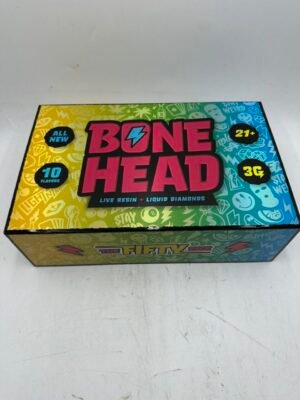
Disposable products can differ in capacity, physical dimensions, battery design, formulation, and packaging.
The Bone Head 3G Disposable belongs to a higher-capacity format compared with many smaller disposable products. However, capacity alone does not establish how a particular product will perform or how long its contents will last.
Two devices with similar stated quantities can have different internal hardware. Likewise, two devices with comparable hardware can contain different formulations.
A meaningful comparison therefore involves several specifications rather than one number.
Labeling and Regulatory Differences
The same product name may not mean identical labeling in every market. Local regulations can influence how ingredients, concentrations, warnings, age restrictions, and manufacturer information are presented.
Some jurisdictions impose restrictions on certain vape products or their ingredients. Others have specific requirements concerning packaging and sales.
For this reason, information found on a package intended for one market should not automatically be applied to a product sold elsewhere.
Local requirements and the exact packaging associated with the device remain important when determining its applicable product information.
Authenticity Indicators
Branded disposable products can sometimes be copied or reproduced with similar visual designs. As a result, authenticity should not be judged from graphics alone.
Packaging details can provide additional information. Batch numbers, seals, manufacturer markings, verification systems, and consistent labeling may help distinguish an authentic product from an imitation.
However, individual authenticity features can change over time. A verification method that appeared on one production run may not appear on another.
The manufacturer’s current documentation is therefore the most useful reference when authenticity is a concern.
Information for Product Listings
A clear product listing should distinguish documented specifications from general descriptions.
For the Bone Head 3G Disposable, useful listing information can include the product name, stated capacity, available variant, formulation details supplied by the manufacturer, packaging information, and applicable restrictions.
Unverified claims about potency, laboratory results, ingredients, or expected effects should not be presented as established facts.
This approach creates a more accurate description while reducing confusion between different versions of the product.
Understanding the Complete Product
The Bone Head 3G Disposable is more than its capacity number or exterior artwork. Its identity comes from the combination of hardware, formulation, packaging, labeling, and manufacturer information.
The 3G specification provides information about stated quantity, while other details explain the composition and design.
Likewise, the exterior identifies the product visually, but the package supplies the more important technical information.
Taken together, these details create a clearer picture of the individual device and its specific version.
Final Details at a Glance
The Bone Head 3G Disposable uses an integrated format that combines the principal hardware components into one compact product. Its pre-filled design distinguishes it from refillable systems, while the stated 3G capacity places it within a larger disposable format.
Specific characteristics can vary according to release, formulation, flavor, market, and production batch. Therefore, the exact package remains the best source for information concerning ingredients, concentrations, manufacturer details, warnings, and other specifications.
The device’s compact construction, enclosed components, and recognizable branding contribute to its overall product identity. Meanwhile, factors such as storage conditions, physical condition, authenticity, and local regulations remain relevant when evaluating the product.
For accurate product information, the individual package and manufacturer documentation provide the most dependable reference. Those sources can clarify details that cannot be established from the product name or appearance alone.
Be the first to review “BONE HEAD 3G DISPOSABLE”
Related products

THC DISPOSABLE


THC DISPOSABLE
THC DISPOSABLE


THC DISPOSABLE

THC DISPOSABLE

THC DISPOSABLE

THC DISPOSABLE
THC DISPOSABLE
Reviews
There are no reviews yet.