FRYD 2G Disposable OG Collection: Product Overview, Design Details, and Important Product Information
A Closer Look at the FRYD OG Collection and Its Product Identity
The FRYD 2G Disposable OG Collection is a product name associated with the disposable vape category. Its presentation centers on a compact, self-contained device format, while the OG Collection name provides a distinct identity for the product range. For an accurate product listing, the collection name, device specifications, package details, and verified manufacturer information are important parts of the overall description.
Product names can communicate a great deal about a collection, but they do not independently confirm what is inside the packaging. Therefore, the exact formulation, cannabinoid content, ingredients, and other specifications need to come from reliable labeling or verified documentation.
Understanding the Two-Gram Product Label

The 2G designation generally refers to a stated quantity of product rather than the physical size of the device. However, the precise meaning depends on the product category and the information supplied by the manufacturer.
For that reason, a listing should clearly distinguish the advertised quantity from the device’s overall dimensions, battery capacity, and other technical specifications. These details describe different aspects of the product and should not be treated as interchangeable.
Furthermore, the quantity printed on a package should be checked against the accompanying product documentation. Clear labeling helps customers understand what is being represented without relying on assumptions or unsupported comparisons.
The Identity Behind the OG Collection Name
The OG Collection name serves as a recognizable label within the FRYD product range. Nevertheless, a collection name alone does not establish a particular flavor profile, formulation, manufacturing process, or relationship with a specific original product.
An accurate description therefore benefits from separating branding information from confirmed technical details. The displayed name identifies the listing, while the packaging and supporting documentation provide the information needed to understand the particular item.
Additionally, product names and packaging may differ between sellers or distribution channels. As a result, clear photographs, accurate labels, and consistent product records are useful when distinguishing one listing from another.
Device Format and Physical Characteristics
A disposable vape is generally designed as a self-contained electronic device. Depending on the model, its construction may include an outer housing, a power source, an internal heating component, and a reservoir or cartridge system.
The precise arrangement varies between products, so the internal construction of the FRYD 2G Disposable OG Collection should not be described as confirmed without model-specific evidence.
Likewise, features such as a digital display, adjustable settings, rechargeable battery, charging port, or particular activation mechanism should only appear in the listing when they have been verified for the exact model.
These distinctions matter because devices with similar names can have different specifications. A reliable product description presents confirmed features separately from information that remains unverified.
Packaging, Labeling, and Product Identification
Packaging is an important source of product information. It may identify the product name, stated quantity, manufacturer or distributor, batch details, ingredient information, and applicable warnings.
However, packaging appearance alone does not prove authenticity. Similar designs, printed logos, and product names can appear on unrelated or counterfeit items.
Consequently, a careful product record includes clear photographs of the actual packaging and readable images of relevant labels. Where available, batch information and manufacturer documentation can provide additional context.
Ingredients, Composition, and Laboratory Information
The composition of a disposable vape cannot be established reliably from its product name alone. Specific ingredients, cannabinoid concentrations, additives, and contaminant-testing results require appropriate documentation.
Where laboratory testing is applicable, a certificate of analysis may provide information about the tested sample, the substances measured, and the laboratory’s reported findings. The relevance of that information depends on the sample identity, testing date, and reliability of the issuing laboratory.
Similarly, claims about purity, consistency, or the absence of contaminants should not be made without supporting evidence. General descriptions and attractive packaging are not substitutes for verified analytical results.
Battery and Electronic Device Information
Electronic vape devices contain components that require appropriate handling and storage. Battery specifications, charging requirements, and other electrical details should be taken from the manufacturer’s documentation for the exact model.
A listing should not assume that a device is rechargeable or compatible with a particular charging accessory unless that feature has been confirmed. Incorrect assumptions about electronic components can create confusion and may introduce avoidable safety risks.
Furthermore, damaged, leaking, unusually hot, or malfunctioning devices should not be treated as ordinary products. Applicable manufacturer guidance and local disposal requirements are relevant to their handling.
Responsible Product Information and Legal Considerations
Products containing THC or other controlled cannabinoids may be subject to restrictions that differ by country, state, or region. A product’s availability online does not establish that its sale, possession, shipment, or use is lawful in every location.
Age restrictions and other applicable requirements should also be reflected accurately in any relevant listing. Where a product’s contents or legal status are uncertain, those uncertainties should be resolved before the listing is published.
Finally, the product description should remain consistent with verified packaging information and applicable rules. This approach gives readers a clearer understanding of the item without relying on unsupported health, safety, or performance claims.
The FRYD 2G Disposable OG Collection is identified by its collection name and stated two-gram designation. Its exact composition, electronic features, packaging configuration, and other specifications depend on the particular model and the documentation available for that item.
A complete listing benefits from accurate product identification, clear packaging photographs, verified specifications, appropriate warnings, and transparent information about any testing or certification. These details create a more dependable product record while helping readers distinguish confirmed facts from assumptions.
How Clear Product Information Builds Customer Confidence
A well-organized product page gives customers a clearer understanding of the item they are viewing. For the FRYD 2G Disposable OG Collection, useful information begins with the exact product name and continues through the specifications, packaging details, and any verified documentation available.
Moreover, consistency across the product title, photographs, and written description helps reduce confusion. When the same model name and quantity appear throughout the listing, readers can identify the item more easily.
Transparency is equally important. If a particular specification has not been confirmed, leaving it out is more reliable than presenting an assumption as a fact. This practice supports a professional storefront and creates a more dependable shopping experience.
Distinguishing Product Features From Marketing Language
Product descriptions often combine identifying information with promotional language. Although both can have a place in an online store, factual statements should remain separate from general brand presentation.
For example, a statement about the stated quantity can be checked against the package label. By comparison, claims about superior quality, exceptional consistency, or advanced technology require evidence that supports those specific descriptions.
Similarly, terms such as premium, original, and authentic should not be used as proof of manufacturing standards or product legitimacy. Authenticity depends on reliable verification rather than wording alone.
A balanced listing can still have an appealing presentation. Clear organization, specific information, and an individual writing style help a product page feel complete without relying on exaggerated promises.
A More Detailed Look at Product Specifications
The most useful specifications are those that accurately describe the individual model. Depending on the product, relevant information may include the following:
- Product identification: The full name printed on the packaging.
- Quantity information: The stated amount and the meaning assigned to it by the manufacturer.
- Device construction: Confirmed information about the external housing and electronic components.
- Composition: Ingredients and other contents supported by reliable documentation.
- Testing information: Available laboratory reports that correspond to the relevant product or batch.
- Packaging details: The actual packaging configuration and information printed on its labels.
- Safety information: Applicable warnings, handling instructions, and disposal requirements.
Not every specification will be available for every product. Nevertheless, presenting the confirmed details in a consistent format makes it easier for readers to compare listings accurately.
Why Accurate Product Photography Matters
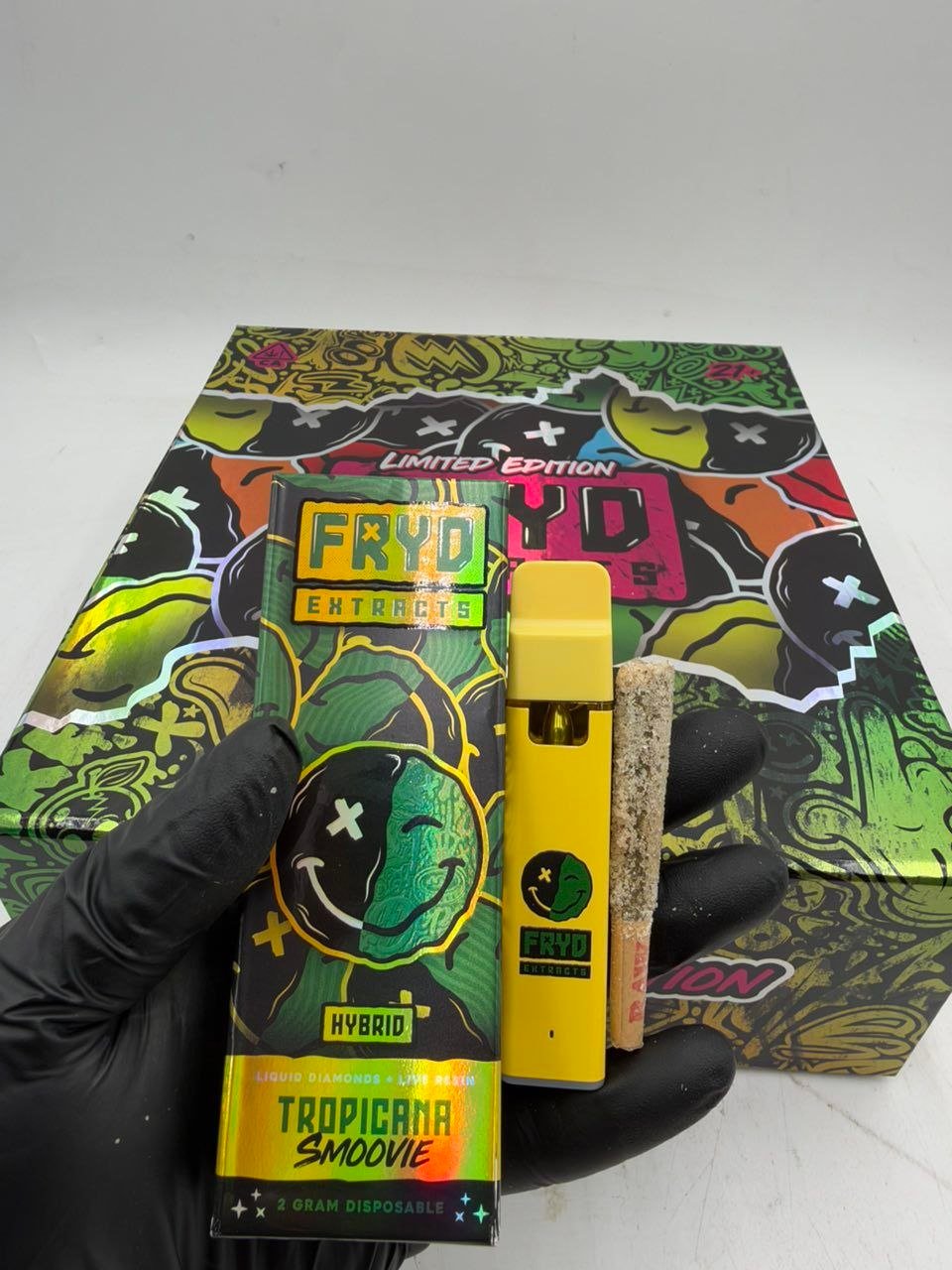
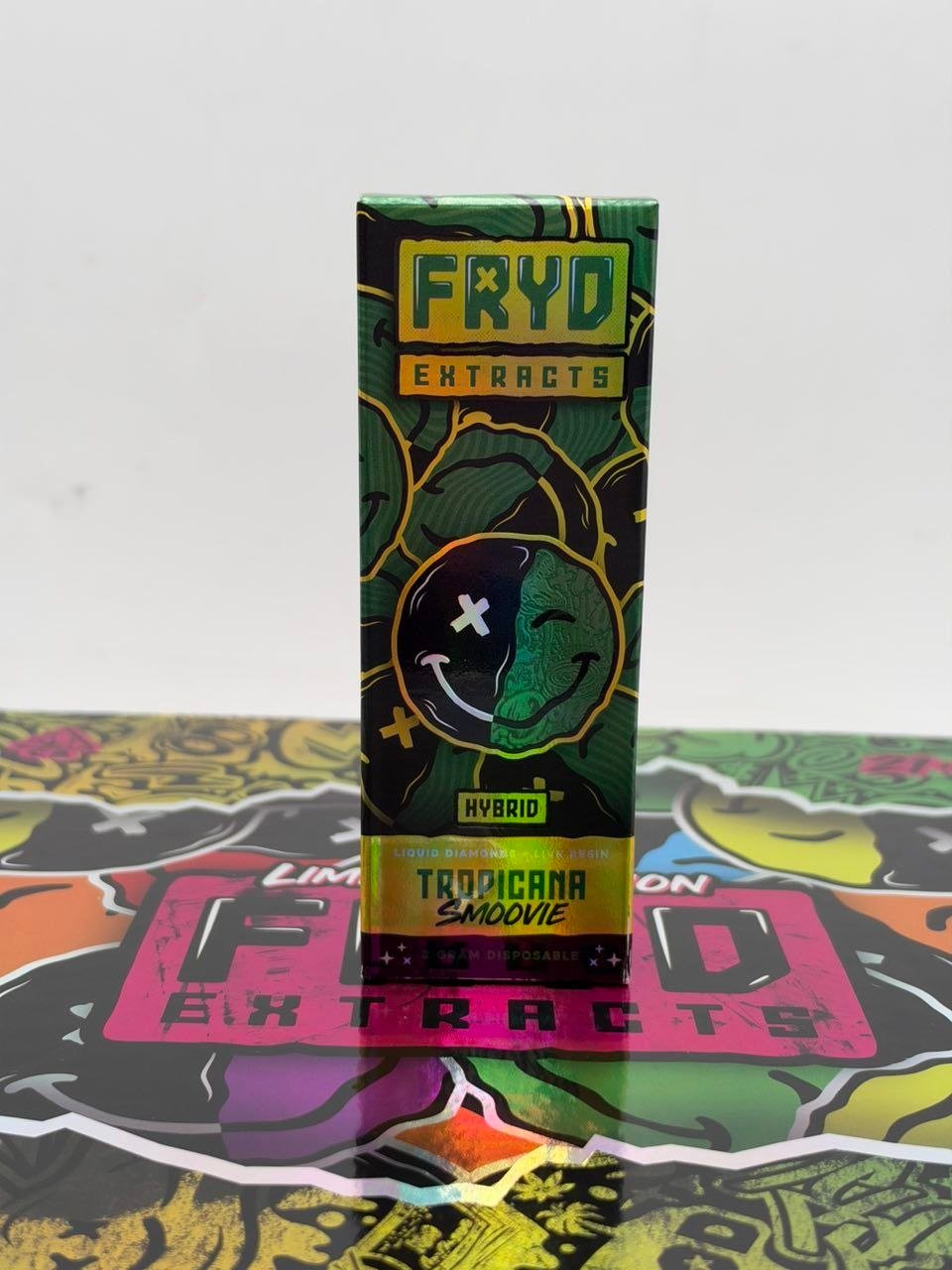
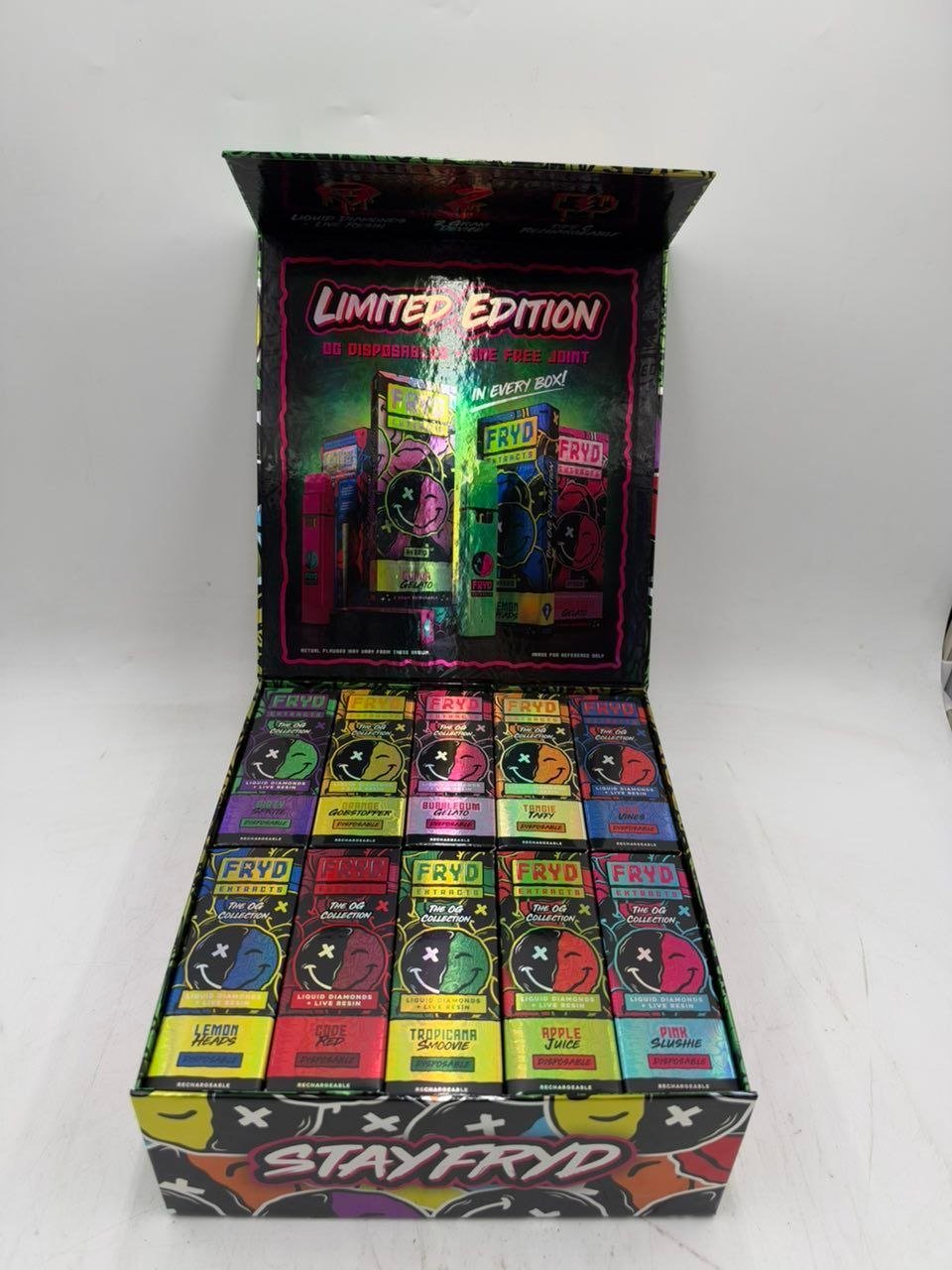
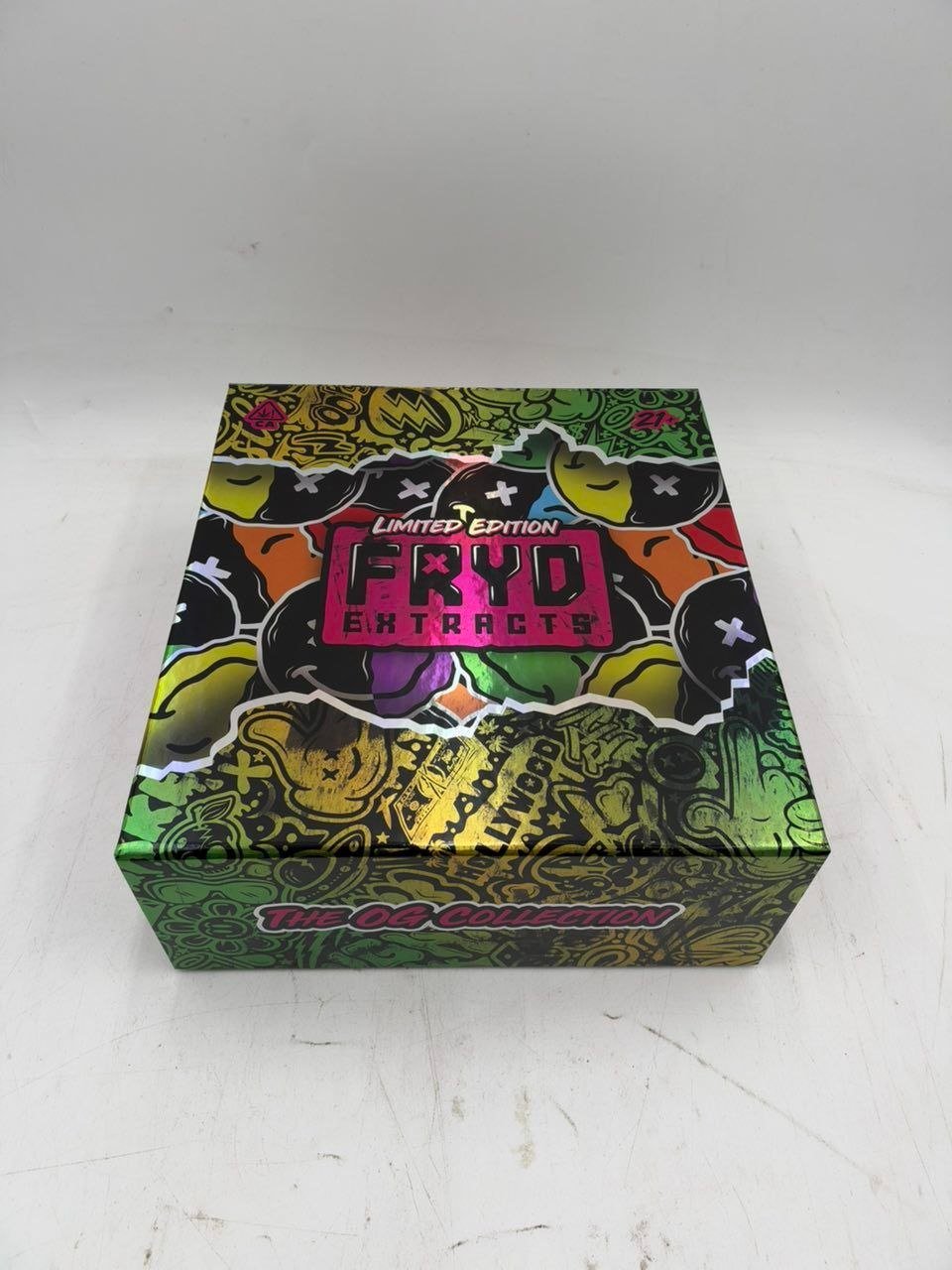
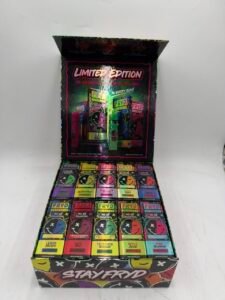
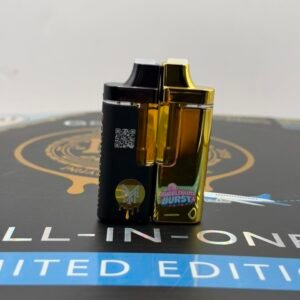
Photographs can provide useful visual context that written descriptions cannot always communicate. Images of the actual FRYD 2G Disposable OG Collection packaging may help readers identify its printed name, stated quantity, and visible design features.
However, photographs should represent the item being offered rather than a different model from the same product family. Images that show another version can create incorrect expectations, even when the products share similar branding.
In addition, photographs should not be treated as proof of internal composition, laboratory results, or authenticity. Those matters require appropriate supporting evidence.
Clear, current, and representative images therefore complement the written description while maintaining a distinction between visible features and information that needs independent verification.
Storage, Handling, and Disposal Considerations
Electronic devices containing batteries require suitable handling. Their storage conditions and care requirements should follow the instructions provided for the specific model.
Exposure to unsuitable temperatures, physical damage, or improper storage can affect electronic components and battery safety. For that reason, the manufacturer’s guidance is more appropriate than generic promises about durability or long-term performance.
Where a device contains residual material, its disposal may also be subject to additional requirements. Electronic waste and battery components should be handled according to applicable local guidance rather than automatically placed in ordinary household waste.
These considerations form part of responsible product information, particularly when a listing describes an electronic disposable device.
Creating a Consistent and Informative Storefront
A professional storefront benefits from product pages that share a consistent level of accuracy while maintaining their own identity. The FRYD 2G Disposable OG Collection page can use a structure that emphasizes product identification, packaging, documentation, and model-specific information.
Other products may require different sections depending on their construction and available specifications. For example, a product with a verified display feature would need different technical information from a model without one.
Consequently, a single description template should not determine every product’s claims or headings. The organization can remain consistent, but the wording and details should reflect the actual item.
This distinction makes a catalogue easier to navigate without making every listing appear identical.
Frequently Asked Questions About the FRYD 2G Disposable OG Collection
What does the 2G designation mean?
The designation generally indicates a stated two-gram quantity, although its exact meaning should be confirmed through the product’s labeling and documentation.
What distinguishes the OG Collection?
The name identifies the advertised collection. Specific differences in formulation, flavor, design, or device technology require confirmation from reliable product information.
Is the product authentic?
Authenticity cannot be established from the name or packaging appearance alone. Reliable verification may require manufacturer or authorized-distributor confirmation and relevant product documentation.
What ingredients does the product contain?
The ingredients cannot be determined reliably from the collection name. The actual label and appropriate documentation are needed to establish the product’s composition.
Does the device have a rechargeable battery?
That feature depends on the exact model. The manufacturer’s specifications should confirm whether charging is supported and identify any applicable requirements.
Is laboratory testing available?
Testing information may or may not be available for a particular product. Any report presented should be relevant to the item or batch being described and should identify the testing laboratory and the scope of its analysis.
Can the product be sold everywhere?
No universal conclusion can be made about its legality. Rules governing electronic vape devices and their contents vary by jurisdiction, so applicable local requirements need to be checked.
Perspective on the FRYD OG Collection
The FRYD 2G Disposable OG Collection can be presented through a clear, carefully organized product page that prioritizes identification and verified details. A useful description explains what is known, identifies what remains uncertain, and avoids unsupported promises about composition, performance, or authenticity.
Ultimately, accurate information provides a stronger foundation for a professional catalogue than repetitive promotional claims. By combining distinct headings, readable explanations, representative photographs, and reliable specifications, the product page can offer readers a clearer understanding of the listing while maintaining an honest and consistent storefront standard.
What Makes a Well-Structured Product Page More Useful
An informative product page does more than identify an item. It brings together the details that readers may need to understand its name, packaging, specifications, and applicable safety information.
For the FRYD 2G Disposable OG Collection, the strongest presentation begins with a clear title and a concise overview. Additional sections can then explain the available documentation, distinguish confirmed features from unverified claims, and provide answers to common questions.
Furthermore, a logical arrangement makes the page easier to scan. Readers can locate the information relevant to them without moving through long paragraphs that repeat the same points. Short sections, descriptive headings, and straightforward language contribute to a more comfortable reading experience.
The result is a product listing that communicates its purpose clearly while maintaining a consistent standard of accuracy.
Understanding the Difference Between a Product Name and a Verified Model
Product names sometimes appear in several forms across online stores, packaging, and distributor catalogues. Even so, similar wording does not necessarily establish that two listings refer to the same model.
The FRYD 2G Disposable OG Collection should therefore be identified using the exact name supported by the item being listed. Any additional model number, edition label, or variation should be included only when it can be confirmed.
Likewise, differences in packaging should be documented carefully. A new color scheme or revised box design does not automatically establish a change in ingredients, quantity, or technical specifications.
Accurate model identification helps maintain clear product records and reduces the likelihood of confusing one version with another.
The Role of Traceability in Product Records
Traceability refers to the ability to connect a product with relevant records about its identity and distribution. Depending on the product and applicable regulations, these records may include batch numbers, manufacturer information, distributor details, and laboratory documentation.
For a product listing, traceability information should be presented only when it is available and can be verified. A batch number, for example, is useful only when it corresponds to the actual item and relevant supporting records.
Additionally, documentation should be current enough to remain relevant to the product being offered. A report for a different batch or unrelated model should not be presented as evidence for the listed item.
This careful approach supports accurate records and provides a clearer distinction between documented information and general marketing language.
Product Information That Deserves Special Attention
Certain details deserve particular care because readers may rely on them when assessing an item.
Composition and labeling: Ingredient information should reflect the actual package and any reliable supporting documentation. Unconfirmed contents should not be inferred from a product name.
Technical characteristics: Battery capacity, charging compatibility, heating components, and other electronic specifications should be included only when verified for the exact model.
Testing and certification: Any statement about independent testing or certification should identify the relevant evidence. A general reference to quality testing is not a substitute for a specific, credible record.
Legal requirements: Rules concerning possession, distribution, age restrictions, and shipping may vary by location. A product listing should not imply universal legality.
Authenticity: Claims that a product is genuine should be supported by appropriate verification rather than packaging appearance alone.
Together, these details help establish a more complete and dependable description.
Maintaining Clarity Across Different Product Variations
A catalogue may contain several products that share a brand name while differing in design, quantity, or technical configuration. Their pages can follow a common standard for accuracy without relying on identical wording.
The FRYD OG Collection listing, for instance, can emphasize product identification and documentation. Another electronic product may need a stronger focus on confirmed charging specifications or external design. The sections should reflect those differences rather than introducing features that have not been established.
Meanwhile, consistent naming across the page helps readers recognize the specific item being discussed. This is particularly useful when product variations have similar titles or packaging.
A carefully maintained catalogue therefore combines consistent information standards with descriptions tailored to each individual listing.
Customer Questions and Clear Answers
Customers may want to understand several aspects of a product before making a decision. A well-written FAQ section addresses those questions directly without presenting assumptions as established facts.
Questions about the exact model, stated quantity, contents, packaging, documentation, and legal restrictions are especially relevant when specifications have not been independently confirmed.
Where information is unavailable, an honest explanation is more useful than a confident but unsupported answer. For example, a missing battery specification should remain unconfirmed until reliable documentation is obtained.
In addition, answers should be concise enough to read quickly while providing sufficient context to prevent misunderstandings.
A Responsible Approach to Product Presentation
Responsible product presentation balances clear communication with appropriate caution. This is particularly important for electronic vape products, for which contents, battery characteristics, and legal requirements may vary.
A product page should avoid unsupported medical claims, promises of guaranteed effects, and statements suggesting that a product is risk-free. It should also distinguish visible packaging details from information that requires testing or independent verification.
Where applicable, age restrictions and local rules should be addressed accurately. Shipping descriptions should also reflect the actual legal and operational limits of the seller.
These standards create a more transparent listing and reduce the risk of misleading readers through exaggerated or incomplete information.
Final Notes for the FRYD 2G Disposable OG Collection Listing

The FRYD 2G Disposable OG Collection product page is most useful when its wording reflects the exact item available. The product name establishes the listing’s identity, while verified labels and supporting records provide the foundation for its technical details.
A distinct structure, informative headings, readable paragraphs, and accurate product records can make the page easier to understand. Equally important, unconfirmed claims remain separate from established facts.
By maintaining that distinction, the listing can present the collection in a professional and informative way without relying on repetitive descriptions or unsupported promises.


Reviews
There are no reviews yet.